




Living in a bustling city comes with undeniable energy, but also a constant companion: pollution. For many urbanites, a new travel trend called an 'urban recovery holiday' is emerging as a powerful antidote to the smog, noise, and stress.
The Daily Toll of City Air
For millions
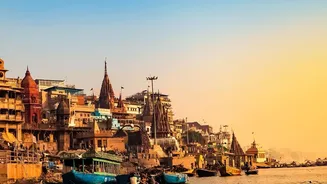
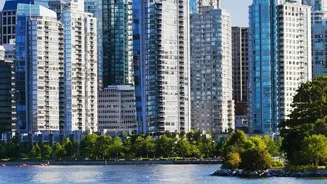
of Indians living in major metropolitan areas, high levels of air pollution are a daily reality. This isn't just about the visible smog that often blankets the skyline; it's about the invisible particulate matter and pollutants that we breathe in constantly. According to the World Health Organization, exposure to air pollution is a major health risk, linked to everything from respiratory issues like asthma to more severe conditions like heart disease, stroke, and even dementia. Beyond the physical toll, the relentless noise and sensory overload of city life contribute to chronic stress, impacting mental well-being and sleep quality. The cumulative effect is a feeling of being drained and depleted, a state that a typical sightseeing holiday might not fix.
What is an Urban Recovery Holiday?
An urban recovery holiday is a trip taken with the specific intention of escaping the physical and mental pressures of city life, especially air pollution. Unlike a conventional vacation focused on activities and sightseeing, the primary goal here is restoration. The agenda is simple: breathe clean air, disconnect from digital overload, and immerse oneself in a natural environment. This trend is a direct response to growing awareness of the health impacts of urban living. Travellers are actively seeking out destinations not just for their beauty, but for their low Air Quality Index (AQI), planning trips around pollution forecasts rather than just public holidays. It’s about giving your lungs and mind a genuine break.
The Science of a Nature-Based Reset
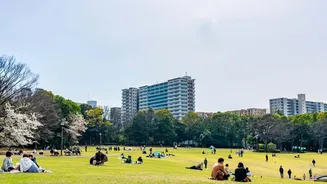
The benefits of stepping away from pollution and into nature are significant and scientifically backed. Breathing clean air, even for a few days, can lead to healthier lung function and reduce allergy and asthma symptoms. But the advantages go deeper. Spending time in green spaces is proven to lower cortisol, the body's primary stress hormone. Studies on 'forest bathing' (shinrin-yoku) show that trees release natural compounds called phytoncides, which can boost the activity of our immune system's natural killer cells, helping our bodies fight infection. Exposure to natural light helps regulate our circadian rhythms, leading to better sleep. This combination of cleaner air and a calmer environment allows both the body and mind to genuinely repair and rejuvenate.
Finding Your Fresh Air Sanctuary
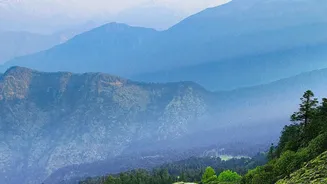
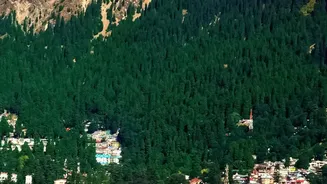
India, with its diverse geography, offers a wealth of options for an urban recovery holiday. The key is to look for destinations with low population density, high forest cover, and minimal industrial activity. The Himalayan foothills are a popular choice, with destinations in Uttarakhand and Himachal Pradesh like Mukteshwar, Lansdowne, and less-crowded parts of Manali offering crisp, clean mountain air. The Western Ghats in the south are another sanctuary, with places like Coorg in Karnataka, and Munnar and Wayanad in Kerala, providing lush greenery and consistently good air quality. Even 'Asia's Cleanest Village', Mawlynnong in Meghalaya, has become a destination for those seeking a true escape from pollution. Many of these locations are also home to wellness retreats that specialise in yoga, meditation, and Ayurvedic treatments, aligning perfectly with the ethos of a recovery holiday.
Making Your Recovery Holiday Count
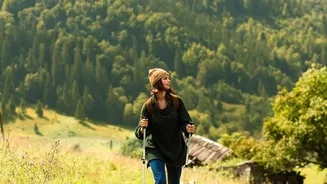
To truly benefit from an urban recovery holiday, the focus should be on intentional choices. Opt for smaller homestays or ecoresorts that are situated away from crowded market areas to maximize your exposure to clean air and quiet. While it’s tempting to stay connected, a digital detox is a core part of the experience. Limiting screen time allows your mind to unwind and your attention to be restored by the natural surroundings. Instead of a packed itinerary, prioritize simple, naturebased activities : go for long walks in the forest , read a book with a mountain view , or simply sit and listen to the sounds of nature . The goal is not to 'do' as much as possible , but to 'be'—present , calm , and breathing freely .