





Ignoring Plant Saucers and Trays
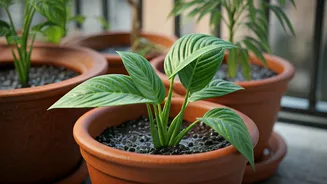
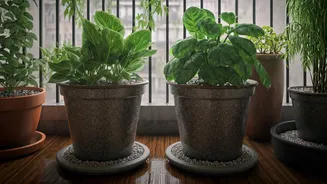
One of the most common mistakes is allowing water to collect in the saucers or trays placed under potted plants. After a downpour or watering, these trays can hold stagnant water for days. This is a perfect nursery for mosquitoes, as they only need a tiny
amount of still water to lay their eggs, which can hatch within 24 to 48 hours. The fix is simple: after it rains, make it a daily habit to empty any water collected in these trays. You can also consider filling the saucers with sand, which will absorb excess moisture without creating a puddle.
Using Pots Without Proper Drainage
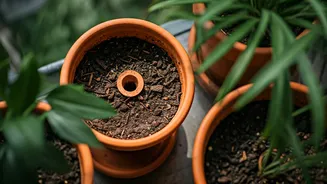
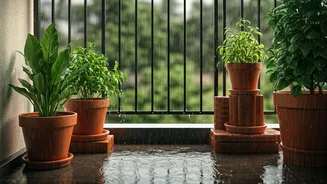
Not all pots are created equal, and during the monsoon, drainage is everything. Pots without enough drainage holes at the bottom will quickly become waterlogged. This not only suffocates the plant's roots, leading to root rot, but the persistently wet soil surface creates an ideal environment for mosquitoes to thrive. Before the monsoon begins, inspect your pots. If the holes are too small or blocked, clear them out or drill a few more. For heavier pots, elevating them on bricks or pot feet can significantly improve drainage and airflow, preventing water from pooling underneath.
Leaving Garden Tools and Containers Out
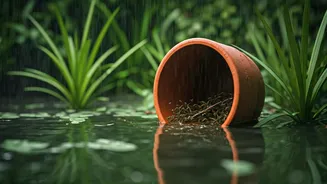
An untidy garden is an invitation for mosquitoes. Items like wheelbarrows, buckets, old tires, watering cans, and even children's toys left strewn across the yard can collect rainwater. An overturned bottle cap can hold enough water for mosquitoes to breed. These accidental containers become prime real estate for egg-laying females. Make it a routine to store all garden equipment in a dry, covered place. Turn buckets and wheelbarrows upside down to ensure they don't fill with water during a shower. For items that must stay outside, ensure they are covered or can drain freely.
Forgetting About Gutters and Drains
It's easy to focus on the garden itself and forget to look up. Gutters and drains clogged with leaves, mud, and other debris will prevent rainwater from flowing away. This creates long stretches of standing water that are hidden from plain sight but are major mosquito breeding zones. Before and during the monsoon, regularly check and clean your roof gutters and any drains on your property. Ensuring water can flow freely is one of the most effective steps you can take to prevent large-scale mosquito breeding.
Allowing Dense and Overgrown Foliage
Mosquitoes don't just need water to breed; they also need cool, damp, and shady places to rest during the day. Dense bushes, overgrown shrubs, and tall, damp grass provide the perfect shelter from sun and wind. While this doesn't directly involve breeding, it encourages adult mosquitoes to stay in your garden, increasing the chances of bites. Regularly prune your shrubs and trim your lawn to improve airflow and allow sunlight to penetrate, making the area less hospitable for resting mosquitoes.
Overwatering Your Plants
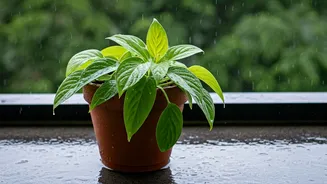
Many gardeners continue their regular watering schedule even during the monsoon, not accounting for the frequent rainfall. This leads to overwatering, which keeps the soil constantly soggy. Not only is this bad for most plants, but the damp conditions attract mosquitoes looking for a humid environment to rest. During the rainy season, plants need far less manual watering. Always check the soil moisture before reaching for the watering can. If the top inch of soil is still damp, hold off. Let the rain do its job and only supplement when necessary.