

With the northeast monsoon setting in, heavy rainfall is predicted across Southern India. For those with travel plans, this means a higher risk of disruption. Here’s a practical guide to help you travel safely and smartly during this period.
Monitor Official Forecasts Before You Go
The weather
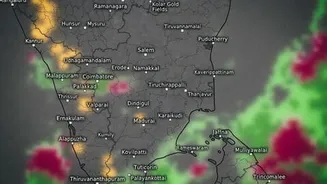
situation is dynamic, with conditions changing daily. The India Meteorological Department (IMD) is the most reliable source for forecasts and warnings. As of mid-October, alerts for heavy to very heavy rainfall have been issued for isolated places in Tamil Nadu, Kerala, Puducherry, and Karnataka. Before starting your journey, and each day during your trip, check the latest IMD bulletins for the specific districts on your route. Pay close attention to warnings for thunderstorms, lightning, and gusty winds, which can reach speeds of 40-50 kmph in some areas. Many regional news outlets and weather-focused social media handles also provide timely, district-level updates.
Tips for Road and Rail Travel
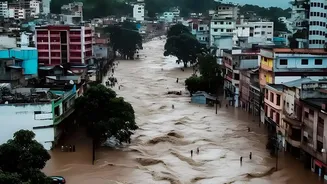
Heavy rains significantly increase travel risks. The IMD has warned that road and rail traffic may be affected. Waterlogging is a major concern in urban areas like Chennai and Bengaluru, turning key roads and underpasses into impassable stretches. In hilly regions, especially the Western Ghats, the risk of landslides and mudslides is elevated. If you are driving, avoid waterlogged roads where submerged potholes or open manholes can become hidden dangers. Check your vehicle's tyres, wipers, and headlights. Maintain a slower speed and greater distance from the vehicle ahead. For train journeys, be prepared for potential delays or rescheduling due to water on the tracks. Always verify the status of your train before heading to the station.
Packing for the Monsoon
Your packing list should be adapted for wet conditions. Prioritise quick-drying clothes and waterproof outerwear. A sturdy umbrella and waterproof footwear are essential. One of the biggest inconveniences during a downpour is a dead phone battery, especially if there are power cuts. Carry a fully charged power bank at all times. Keep your electronic devices, travel documents, and cash in waterproof pouches or zip-lock bags. It's also wise to assemble a small first-aid kit with basic medicines, antiseptic wipes, and bandages. A small towel can also be very useful for staying comfortable after being caught in the rain.
Staying Safe at Your Destination
Once you have arrived, continue to exercise caution. Avoid standing near trees, open fields, or electric poles during thunderstorms, as lightning poses a serious threat. Flooding can increase the risk of waterborne diseases, so drink only bottled or properly treated water and be careful about street food. Be aware of your surroundings, especially in low-lying areas that are prone to inundation. If you are staying in a hotel or guesthouse, identify the emergency exits and ask the staff about any safety protocols they have in place for severe weather. Heed advice from local authorities and be ready to move to a safer place if conditions worsen.
Emergency and Helpline Information
In case of an emergency, having the right numbers on hand is crucial. Save these national and state-specific helpline numbers in your phone: the National Disaster Management Authority (NDMA) helpline, and the specific State Disaster Management Authority (SDMA) numbers for Tamil Nadu, Kerala, Karnataka, and Andhra Pradesh. It is also a good practice to keep the contact information for your hotel, a local taxi service, and the nearest hospital readily accessible. Inform a family member or friend of your itinerary and check in with them regularly so someone is aware of your location and safety.