






The New Weekend Calling
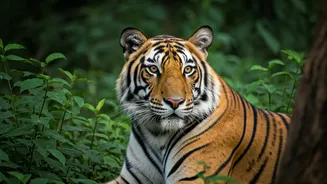
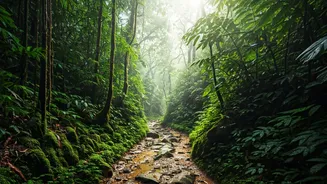
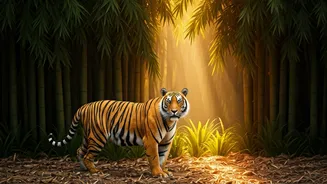
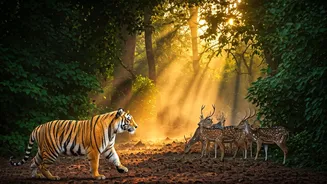
Forget clubbing or cafe-hopping; the new status symbol for a growing number of young urban Indians is a safari jeep, a powerful zoom lens, and a fleeting glimpse of a leopard. Across India’s famed national parks—from Ranthambore to Corbett, Bandipur to Kaziranga—a
demographic shift is underway. The visitors are getting younger, their gear is getting better, and their motivation is deeply digital. These aren't seasoned naturalists, but software engineers, college students, and marketing professionals, trading their city weekends for dusty jungle tracks. The trend is fuelled by a potent mix of accessible DSLR cameras, rising disposable incomes, and a deep-seated desire to connect with something tangible and wild in an increasingly digital world.
Driven by the 'Gram
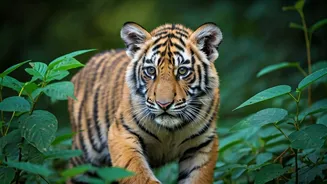
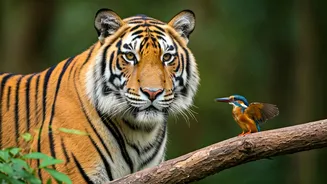
The single biggest catalyst for this boom is social media. Platforms like Instagram have transformed wildlife photography from a niche hobby into a competitive, visually-driven pursuit. A perfectly composed shot of a tiger yawning or a rare bird in flight isn't just a memory; it's content. It's social currency. Hashtags like #IndianWildlife and #TigerSafari are flooded with stunning images, creating a powerful feedback loop of aspiration and inspiration. This 'gamification' of wildlife spotting has created a new generation of influencers who build entire followings around their expeditions, sharing tips on gear, locations, and editing techniques. The desire to capture a shot that goes viral is a powerful motivator, pushing more and more people into the wild.
A Boost for Conservation?
On the surface, this surge in interest is a huge positive. More visitors mean more revenue for national parks, which can be channelled back into conservation efforts, habitat protection, and anti-poaching patrols. It creates employment for local communities, from guides and drivers to lodge staff. More importantly, it fosters a connection between the youth and the country's natural heritage. When a young person experiences the awe of the jungle firsthand, they are more likely to become an advocate for its preservation. This new generation, armed with cameras and social media accounts, has the potential to become a powerful army for conservation, raising awareness about environmental issues to a vast online audience that traditional outreach could never reach.
The Unseen Cost of a Perfect Shot
However, the 'crowd' in the headline points to a darker side. The pursuit of the perfect photograph is creating immense pressure on both the animals and the park ecosystems. Popular reserves often see traffic jams of safari jeeps, with dozens of vehicles jostling for the best angle on a single animal. This causes significant stress to wildlife. Reports abound of guides being pressured by tourists to drive off-track, get too close, or make noise to get a tiger to look at the camera—all highly unethical practices. The focus shifts from appreciating nature to 'capturing' it. This behaviour not only endangers the animals but also diminishes the wilderness experience for everyone, turning a serene safari into a competitive, and sometimes aggressive, chase.
Finding an Ethical Focus
The challenge, then, is to channel this incredible enthusiasm productively. The solution isn’t to discourage young people from visiting parks, but to educate them on how to do so responsibly. A growing movement within the community is now advocating for 'ethical wildlife photography'. This involves putting the animal's welfare first: maintaining a safe distance, not using flash, never baiting or chasing, and respecting park rules. Many experienced photographers and conservationists are now using their platforms to promote these principles through workshops and online tutorials. Choosing responsible tour operators who prioritize conservation over spectacle is another crucial step. The goal is to shift the mindset from 'getting the shot' at any cost to appreciating the privilege of being a silent, respectful guest in the animal's home.