






Meet The Viral Two-Ingredient Treat
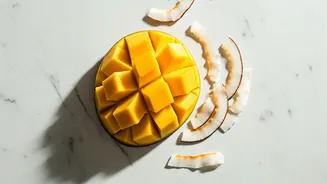
If you’ve scrolled through TikTok or Instagram Reels lately, you might have seen them: vibrant, sunny-yellow dollops of frozen goodness. These are mango coconut drops, the latest star in the world of viral food hacks. The recipe is almost deceptively
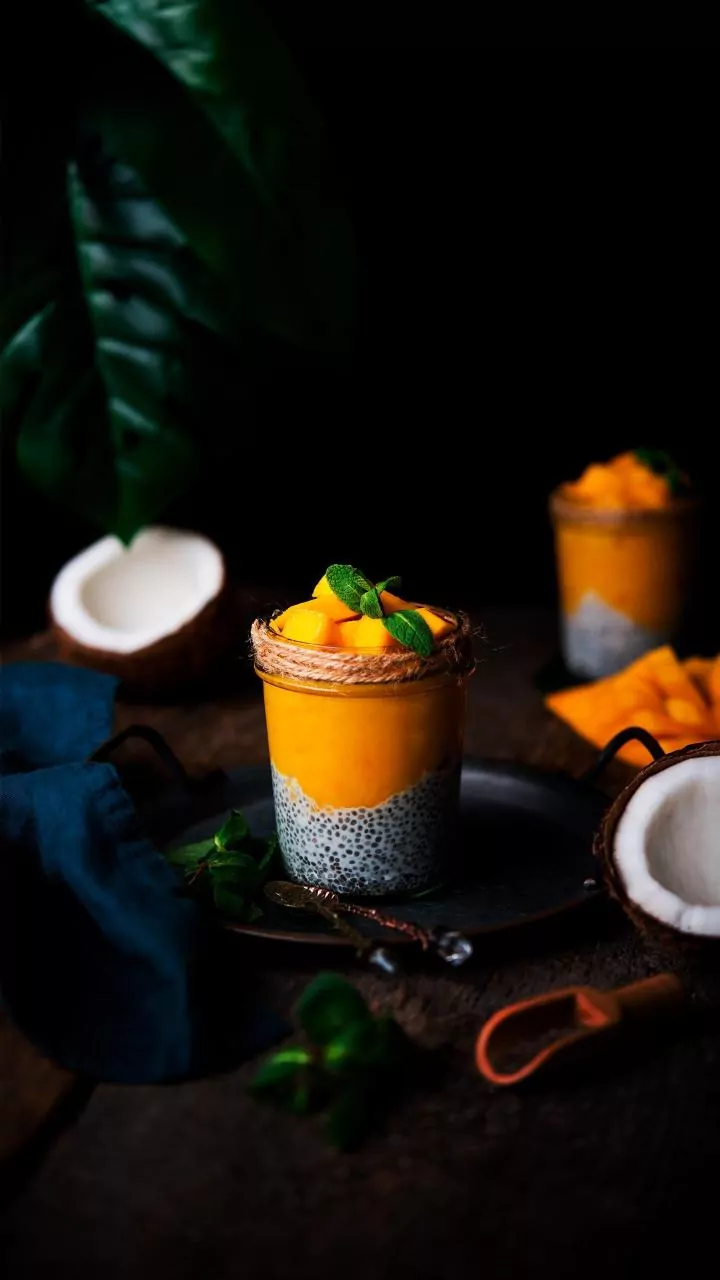
simple. Take one part frozen mango chunks and one part full-fat coconut milk (from a can, for creaminess). Blend until smooth and luscious, like a thick smoothie. Then, spoon small dollops onto a parchment-lined tray and freeze until solid. The result is a creamy, bite-sized frozen treat that delivers a powerful hit of tropical flavour. It’s part sorbet, part ice cream, but entirely its own thing. The appeal lies in its minimalism. There are no long ingredient lists, no confusing chemical stabilisers, and no complex techniques. It’s an accessible, almost effortless dessert that feels both indulgent and wholesome.
Why Gen Z Is Obsessed
This trend is more than just a recipe; it’s a reflection of how Gen Z approaches food and wellness. Firstly, it’s visually stunning. The bright yellow colour is perfect for an Instagram grid or a quick TikTok transition, making it inherently shareable. Secondly, it aligns with a growing desire for transparency and control over what we eat. In an era of ultra-processed foods, the ability to create a satisfying dessert from just two recognisable, whole-food ingredients is incredibly empowering. This generation values authenticity and is often sceptical of corporate food production. Making mango coconut drops at home fits perfectly into a wellness philosophy that prioritises ‘clean’ eating without sacrificing pleasure. It’s not about restrictive dieting; it's about finding smarter, simpler ways to enjoy the foods you love. The low-effort, high-reward nature of the recipe also makes it a perfect fit for busy lifestyles.
A Healthier Swap? Here's the Scoop
But is swapping a bowl of chocolate fudge brownie for a few mango drops actually a healthier choice? From a nutritional standpoint, there’s a strong case to be made. Most commercial ice creams are high in refined sugar, saturated fat, and a variety of emulsifiers and preservatives. While delicious, they offer little in the way of nutrients. Mango coconut drops, on the other hand, are made from whole foods. Mangoes are packed with vitamins A and C, as well as dietary fibre. Full-fat coconut milk provides healthy fats (medium-chain triglycerides, or MCTs) that can promote satiety. The sweetness comes naturally from the fruit, so there’s no added refined sugar. Of course, portion control is still key. Both mangoes and coconut milk are calorie-dense, so enjoying them in moderation is important. But as a dessert alternative, the drops offer more nutritional bang for your buck and help you avoid the blood sugar spike and crash associated with sugary, processed treats. It’s a move from empty calories to nutrient-dense ones.
Beyond Mango: A Bigger Food Movement
The mango coconut drop phenomenon isn't happening in a vacuum. It’s part of a much larger trend of deconstructing and reinventing classic comfort foods with a healthier, whole-food twist. Think of other viral hits like ‘cottage cheese ice cream,’ where protein-packed cottage cheese is blended with maple syrup and other flavourings to create a creamy frozen dessert. Or the date-and-nut-butter ‘Snickers’ bars that mimic the candy bar using only fruits, nuts, and dark chocolate. This movement is about ingredient-swapping and culinary creativity. It’s driven by a generation that grew up with endless information at their fingertips and a keen awareness of nutrition. They aren't just following recipes; they're hacking them, simplifying them, and sharing their discoveries with a global audience. It signals a shift from passive consumption to active, health-conscious creation in the kitchen.