



The Vibe: Kerala's Green Oasis vs. Tamil Nadu's Colonial Gem
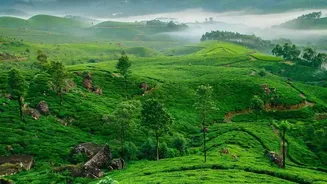
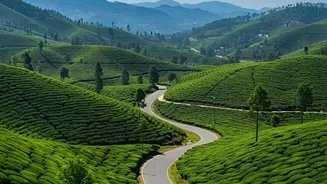
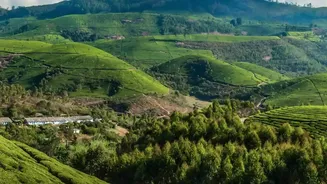
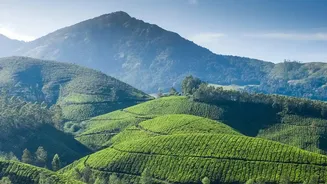
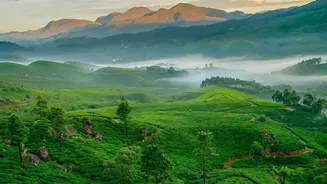
The first thing to understand is that Munnar and Ooty offer distinctly different atmospheres. Munnar, nestled in the Western Ghats of Kerala, is an sprawling canvas of green. It's less of a single town and more a vast region of rolling hills blanketed
in tea plantations. The vibe is one of serene immersion in nature, where the landscape itself is the main character. It's quieter, more spread out, and feels deeply connected to the wild, untamed beauty of God's Own Country. Ooty (Udhagamandalam), the 'Queen of Hill Stations' in Tamil Nadu, has a more structured, colonial past. It's a proper town with a bustling centre, Raj-era architecture, and a more organized feel. While it’s surrounded by the beautiful Nilgiri hills, the experience is that of a classic hill station, complete with botanical gardens, a lively lake, and charming bungalows, offering a blend of nature and heritage.
November Weather and Scenery: Lush vs. Crisp
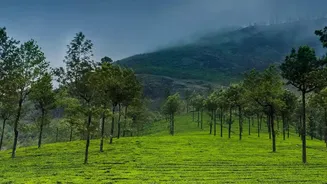
November is a fantastic time to visit both destinations, as the heavy monsoon rains have subsided, leaving everything refreshed and vibrant. In Munnar, expect pleasant daytime temperatures perfect for exploring, with comfortably cool evenings. The landscape is at its most glorious, with mist clinging to the emerald-green tea bushes in the mornings. Humidity is lower, and the waterfalls are still full from the rains. Ooty in November is distinctly cooler, especially after sunset. You’ll need sweaters and jackets. The air is crisp and clear, offering stunning views of the surrounding blue mountains ('Nilgiris'). The post-monsoon greenery is abundant here too, but the overall feeling is more autumnal and brisk compared to Munnar's gentle, humid warmth.
The Main Attraction: Immersive Tea vs. Diverse Gardens
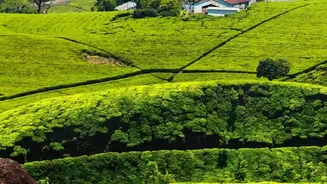
Both destinations are famed for their tea, but the experience differs. In Munnar, tea is everything. The plantations stretch for kilometres in every direction, and your visit will likely revolve around them. You can drive through endless estates, visit tea museums to see the production process, and stay in resorts with panoramic views of the gardens. The scale is immense and truly immersive. In Ooty, tea is a significant part of the landscape but not the only focus. You can visit plantations like the Doddabetta Tea Factory and Museum, but the experience is balanced with other horticultural attractions. The Government Botanical Gardens, with their fossilized tree and diverse plant species, and the picturesque Rose Garden are major draws that compete with tea for your attention.
Beyond the Hills: Activities and Sightseeing
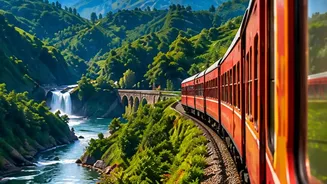
When it comes to sightseeing, your preferences will guide your choice. Munnar's attractions are largely nature-based. A key highlight is Eravikulam National Park, home to the endangered Nilgiri Tahr. It typically reopens to visitors after the monsoon, offering breathtaking treks. Other popular spots include Mattupetty Dam for boating and Top Station for its panoramic views across the Ghats. Ooty offers a more varied list of classic tourist activities. A ride on the Nilgiri Mountain Railway, the famous 'toy train' (a UNESCO World Heritage Site), is a must-do. Boating on Ooty Lake is a perennial family favourite, and a drive up to Doddabetta Peak provides the highest vantage point in the Nilgiris. Ooty's wider array of attractions can make it a more engaging choice for families with varied interests.
The Verdict: How to Choose Your November Escape
So, which one is it? Your decision rests on the kind of holiday you're seeking. Choose Munnar if your priority is to disconnect and immerse yourself in sprawling, serene nature. It's the ideal choice for couples, photographers, and anyone who finds peace in endless green landscapes and misty mornings. It's about the feeling of being surrounded by the tea mountains. Choose Ooty if you want a classic hill station experience with a mix of nature, colonial charm, and activities. It’s better suited for families and travellers who enjoy having a variety of things to do, from botanical gardens and lake boating to heritage train rides, all within a more concentrated area.