





The Indoor Pet Myth
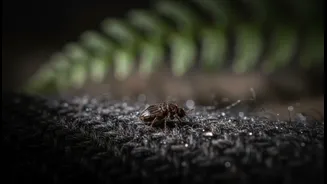
Many apartment dwellers believe their strictly indoor pets are safe from fleas. This is a costly misconception. Fleas are expert hitchhikers and can enter your home on your clothing, bags, or even through small gaps in doors and windows. In apartment buildings,
fleas can travel between units through hallways and shared ventilation systems. This means that even without stepping a paw outside, your pet is vulnerable to an infestation, which is far more difficult and expensive to treat than it is to prevent. All it takes is a single female flea, which can lay up to 50 eggs per day, to start a full-blown infestation in your home.
Start with a Veterinary Consultation
Before the monsoon season is in full swing, schedule a visit with your veterinarian. This is the most crucial first step. Your vet can assess your pet's specific health needs, lifestyle, and risk factors to recommend the most suitable flea preventive. They will provide guidance on safe and effective products, such as monthly oral tablets, topical spot-on treatments, or collars. It is vital to use only products prescribed or recommended by a vet; never use a product intended for dogs on a cat, as this can be extremely dangerous. Your vet can help you create a year-round prevention schedule, which is the gold standard for pet safety.
Create a Flea-Hostile Home Environment
Prevention extends beyond your pet to your living space. Since 95% of the flea population (eggs, larvae, and pupae) lives in the environment rather than on your pet, a clean home is a critical line of defense. During the monsoon, focus on a rigorous cleaning routine. Vacuum carpets, rugs, and upholstered furniture at least twice a week, paying special attention to corners and your pet's favourite lounging spots. Immediately dispose of the vacuum bag or empty the canister outside the house. Wash your pet’s bedding, blankets, and any soft toys in hot water at least once a week. The high humidity of the monsoon helps flea eggs hatch faster, so keeping your home and your pet's belongings clean and dry is paramount.
Know the Signs: Vigilant Detection
Early detection can stop a few fleas from becoming a major problem. Get into the habit of checking your pet for fleas daily. Look for adult fleas—small, dark brown insects—and 'flea dirt,' which looks like black pepper specks and is actually flea feces. A simple way to check for flea dirt is to have your pet stand on a white towel while you comb them; any black specks that fall off and turn red when wet are a positive sign. Common signs of a flea problem in pets include excessive scratching, biting, or licking, especially around the base of the tail, groin, and belly. You might also notice red bumps, hair loss, or irritated skin. If you spot any of these signs, contact your vet immediately.
Grooming for Prevention
Regular grooming is another key component of your preventive strategy. Brushing or combing your pet daily not only helps you spot fleas or flea dirt early but also helps maintain their coat's health. A fine-toothed flea comb is an excellent tool for this purpose, as it can trap adult fleas and debris. While bathing shouldn't be excessive, as it can strip natural oils, a bath with a vet-recommended shampoo can be a part of the plan, especially if you suspect your pet has been exposed. Always ensure your pet is dried thoroughly, as damp fur can contribute to skin issues, particularly in the humid monsoon weather.