



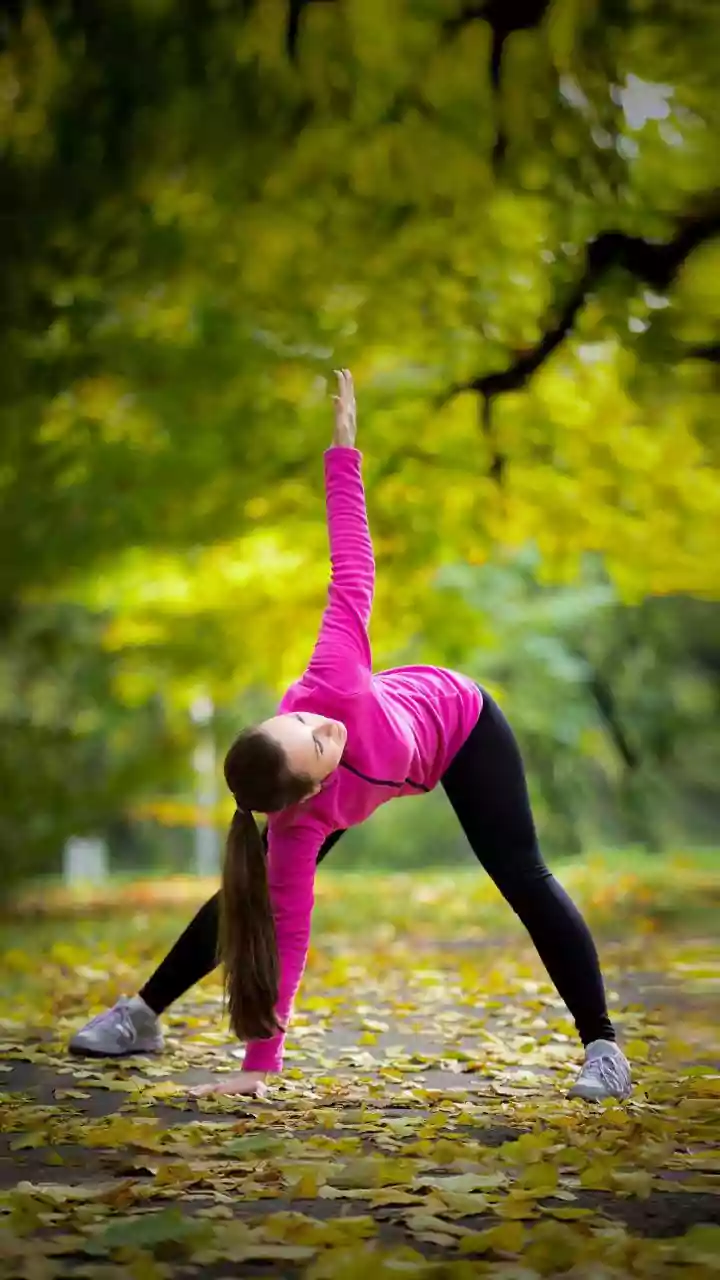



Why Yoga Works for a Distracted Brain
It might seem like slowing down to stretch is the last thing you need when you have a mountain of homework, but science suggests it's one of the best study breaks you can take. Yoga isn't just about flexibility; it's a powerful tool for training your
attention. Practices like yoga help reduce the stress hormone cortisol, which can interfere with memory and focus. By combining physical poses with controlled breathing, you increase blood flow and oxygen to the brain, which can improve cognitive functions like memory and attention. Studies have shown that regular yoga can actually strengthen the parts of the brain linked to concentration and emotional regulation, making it easier to ignore distractions and stay on task. Think of it as an internal 'reset button' that calms your nervous system and prepares your mind for deep work.
Mountain Pose (Tadasana)
This simple standing pose is all about creating a strong, stable foundation, both physically and mentally. Stand with your feet together or hip-width apart. Ground down through your feet, engaging your leg muscles. Lengthen your spine, roll your shoulders back and down, and let your arms rest by your sides with palms facing forward. Keep your gaze fixed on a single, unmoving point in front of you. This practice of a focused gaze, known as 'Drishti,' is a core part of training your mind to concentrate. Hold for 30 seconds, breathing deeply. It teaches you to find stillness and presence, which are essential for prolonged study sessions.
Tree Pose (Vrksasana)
If you struggle with a wandering mind, this balancing pose is your best friend. Start in Mountain Pose, then shift your weight onto one foot. Place the sole of your other foot on your inner calf or thigh (avoiding the knee joint). Bring your hands to a prayer position at your chest. The key is to find a focal point and hold your gaze there. Your body might wobble, and that's okay. The act of constantly re-engaging your core and refocusing your eyes is a direct workout for your concentration. It trains your brain to return to its anchor point, just like you need to do when your mind drifts away from a textbook. Hold for 5-8 breaths and then switch sides.
Cat-Cow Stretch (Marjaryasana-Bitilasana)
Sitting hunched over a desk for hours creates physical tension that makes it hard to focus. The Cat-Cow stretch is perfect for releasing that strain. Start on your hands and knees, with your wrists under your shoulders and knees under your hips. As you inhale, drop your belly and look up, creating an arch in your back (Cow Pose). As you exhale, round your spine up toward the ceiling, tucking your chin to your chest (Cat Pose). Linking your breath to the movement helps calm the nervous system and brings awareness to the present moment, pulling you out of a stress cycle. Repeat for 8-10 rounds to reset your posture and mind.
Seated Forward Bend (Paschimottanasana)
This is a deeply calming pose that soothes the nervous system and quiets mental chatter, making it ideal for when you feel overwhelmed by a subject. Sit on the floor with your legs stretched out in front of you. You can keep a slight bend in your knees. On an exhale, hinge at your hips and fold forward, letting your hands rest on your shins, ankles, or feet. Don't worry about how far you can go; the goal is to relax your head and neck and release your back. This pose helps reduce anxiety and fatigue, refreshing you for the next chapter of your studies. Hold for 5-8 deep breaths.
Child's Pose (Balasana)
When you feel completely overloaded, Child's Pose is an instant reset. It’s one of the most effective resting poses for relieving stress and calming the mind. Kneel on the floor, touch your big toes together, and sit back on your heels. Separate your knees about as wide as your hips, then fold forward, resting your torso between your thighs. Let your forehead rest on the floor. This gentle stretch for the back, hips, and shoulders releases physical tension tied to stress. Closing your eyes in this pose blocks out external stimuli, allowing your brain a much-needed moment of peace before you return to your work.