




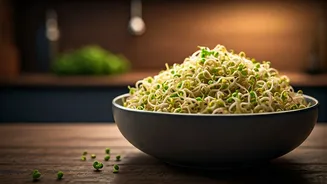



The Allure of the Humble Sprout
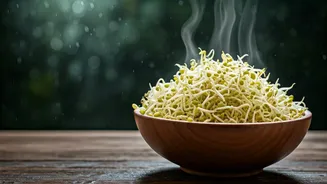
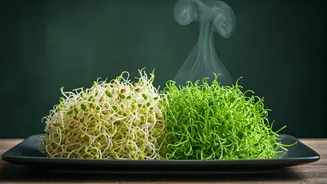
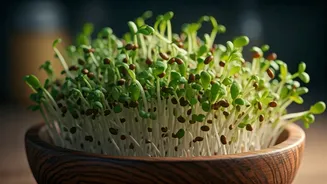
Sprouts are a nutritional powerhouse. Whether it's moong, matki, chana, or alfalfa, these tiny germinated seeds are packed with vitamins, minerals, fibre, and enzymes. They are celebrated for being a low-calorie, high-protein addition to salads, chaats,
and snacks. For decades, we've been told to eat them raw to maximise their nutritional benefits, enjoying their crisp texture and fresh taste. This advice holds true for much of the year, but when the clouds gather and the rain begins to fall, the rules of the game change.
Monsoon: A Perfect Storm for Bacteria
The very conditions that make sprouts grow—warmth and moisture—are also the perfect breeding ground for harmful bacteria like E. coli, Salmonella, and Listeria. During the monsoon, this risk is magnified significantly. The high humidity in the air prevents sprouts from drying properly, creating a constantly damp environment. Furthermore, water sources are more likely to be contaminated during this season, and the water used for soaking and rinsing the seeds can introduce pathogens right at the start of the sprouting process. These bacteria can multiply rapidly on the surface of the sprouts, turning a healthy food into a source of stomach upset, food poisoning, and other serious infections.
Why Raw Sprouts Are Risky
Unlike other fresh vegetables, which grow in open fields where contaminants can be washed off the surface, sprouts are different. If the seed itself is contaminated, the bacteria can grow inside the sprout as it germinates. This means no amount of external washing can effectively remove the danger. The bacteria become part of the sprout's structure. When you consume them raw, you are ingesting these live pathogens. While a healthy immune system might fight off a small number of bacteria, the high concentration often found on contaminated sprouts during the monsoon can overwhelm even the strongest constitution, leading to uncomfortable and sometimes dangerous digestive issues.
The Simple, Safe Solution: Just Add Heat
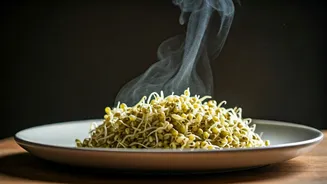
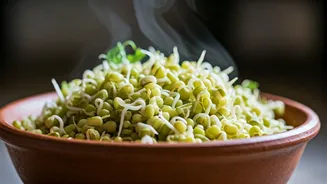
The good news is that you don't have to give up your favourite sprouts. The solution is incredibly simple: cook them. Heat effectively kills the harmful bacteria that can thrive on sprouts. A brief period of cooking is enough to neutralise the threat and make them safe to consume. While some people worry about nutrient loss, the impact is minimal and a worthwhile trade-off for your health and safety. Many vitamins in sprouts are heat-stable, and cooking can even make certain nutrients, like protein, more digestible and easier for your body to absorb. Lightly steaming, blanching, or stir-frying are excellent methods that preserve most of the nutritional value while eliminating the risk.
How to Cook Sprouts Perfectly
Making your sprouts monsoon-safe is quick and easy. You have several options: 1. **Steaming:** Place the sprouts in a steamer basket over boiling water for 5-7 minutes. They will become tender-crisp and retain their nutrients. 2. **Blanching:** Drop the sprouts into a pot of boiling water for just 1-2 minutes, then immediately transfer them to a bowl of cold water to stop the cooking process. This keeps them crisp. 3. **Sautéing or Stir-frying:** Heat a little oil in a pan, add some garlic or ginger, and toss in the sprouts. Cook for 3-5 minutes until they are heated through and lightly cooked. This is a great way to add flavour. Once cooked, you can use them just as you would raw sprouts—add them to salads (after they cool), mix them into bhel, or use them as a base for a delicious sabzi.
Delicious Ways to Enjoy Cooked Sprouts
Embrace cooked sprouts by incorporating them into classic Indian dishes. Prepare a hearty Misal Pav using cooked matki sprouts in a spicy gravy. Make a simple sprouts sabzi with onions, tomatoes, and everyday masalas to eat with roti or rice. Add a handful of steamed moong sprouts to your daily dal for a protein boost. You can even make a warm sprout chaat by tossing steamed sprouts with chopped onions, tomatoes, chaat masala, and a squeeze of lemon. These preparations are not only delicious and comforting during the rainy season but also ensure you are enjoying your food without any worry.