


The Comfort of the Classic
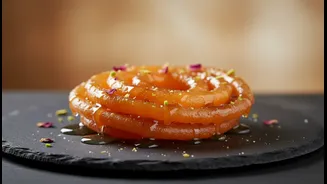
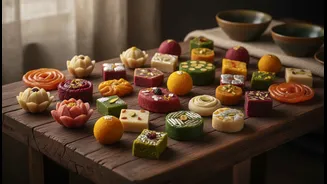
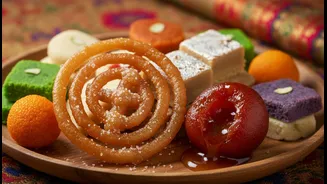
Indian sweets are synonymous with a certain kind of textural bliss. Think of the way a Gulab Jamun dissolves in your mouth, the gentle chew of a well-made Jalebi, or the dense, fudgy quality of a milk-based Barfi. These are textures of comfort, nostalgia,
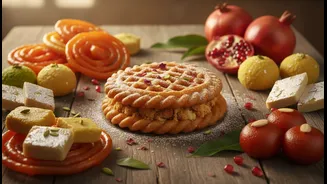
and celebration. For generations, the primary sensory experience of mithai has been one of softness. From the delicate Sandesh of Bengal to the syrupy Rasmalai, the joy often lies in a smooth, rich, and yielding mouthfeel. This familiar softness is like a culinary hug, a predictable pleasure that connects us to festivals, family gatherings, and moments of simple indulgence. It’s a world built on milk solids, sugar syrups, and ghee, where the textures are as important as the flavours of cardamom, saffron, and rose.
Here Comes the Crunch
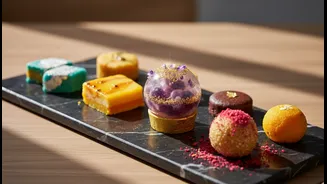
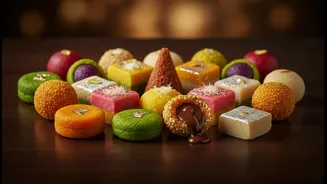
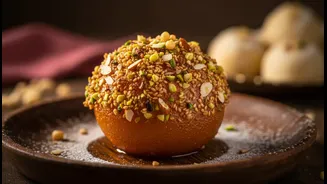
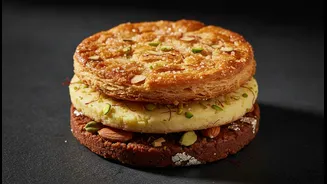
Lately, a quiet revolution has been taking place in sweet shops and modern Indian kitchens. Chefs and home cooks are getting playful, introducing a contrasting element to these classic sweets: a delightful and often surprising crunch. This isn't just about garnishing with a few chopped nuts anymore. We are seeing entire layers of texture being thoughtfully integrated. Imagine a soft Barfi sitting on a crunchy biscuit base, or a classic Kaju Katli infused with coffee and layered with a crunchy biscuit before being dipped in dark chocolate. Modern sweet makers are using everything from peanut chikki and butterscotch brittle to crispy puff pastry and nut-cashew tuiles to add a new dimension. Even a traditional sweet like Soan Papdi is being reimagined, combined with nut butter and coated in a crunchy, chocolatey pistachio shell. This trend is all about creating a multi-sensory experience.
The Science of a Satisfying Bite
There's a reason this trend feels so right. Our brains are hardwired to love textural contrast. A combination of soft and crunchy is inherently more interesting and engaging than a uniform texture. Psychologically, a crunchy or crispy texture signals freshness to our brains. Think about the difference between a crisp apple and a mushy one. The sound and feel of the crunch itself releases feel-good chemicals, making the eating experience more enjoyable. When you bite into a dessert that has both a creamy, soft component and a shatteringly crisp one, it prevents palate fatigue. Each bite is a little different, keeping your senses engaged and making the overall experience more memorable and satisfying. This interplay of textures makes food feel more vibrant and can even enhance how we perceive its flavour.
Reimagining the Classics
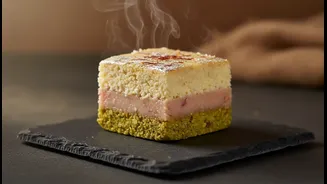
This addition of crunch is more than a gimmick; it's a fundamental reimagining of the sweet itself. A crunchy layer can balance the intense sweetness of a traditional mithai, adding complexity and depth. For instance, a Gajar Halwa, traditionally soft and rich, can be baked into a buttery tart shell with a crumble topping, balancing the nostalgia of the halwa with the crispness of a tart base. Similarly, fusion creations like a Gulab Jamun Cheesecake combine the soft, syrupy sweet with a firm, crumbly base, creating a whole new dessert identity. This approach allows chefs to play with global techniques while respecting traditional Indian flavours. The result is desserts like Chai Crème Brûlée, where the familiar flavour of chai-spiced cream is topped with a classic hard caramel crust that cracks perfectly under a spoon. It’s a conversation between two culinary worlds in a single bite.
A Taste of Modern India
Ultimately, the rise of the crunchy layer in Indian sweets is a sign of the times. It reflects a growing confidence in Indian cuisine, where tradition is not a rigid set of rules but a foundation for innovation. A new generation of chefs and food lovers are not afraid to experiment, blending the flavours they grew up with with global techniques and textures. This trend isn't about replacing the classics we love. It’s about expanding the definition of what an Indian sweet can be. It shows a willingness to evolve while celebrating the core flavours that make these sweets so special. Whether it's a crunchy peanut-cashew tuile on a chocolate fudge or a simple sprinkle of caramelized nuts on a kheer, this textural twist is adding a new and exciting chapter to India's rich dessert story.