


The Effortless Curtain Fringe
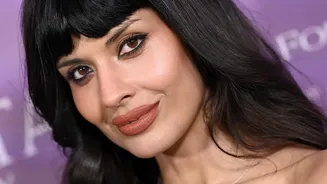
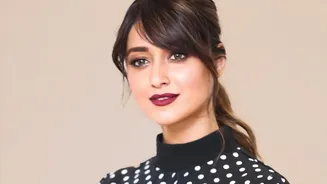
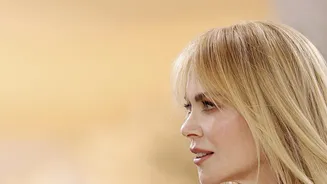
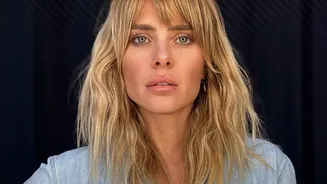
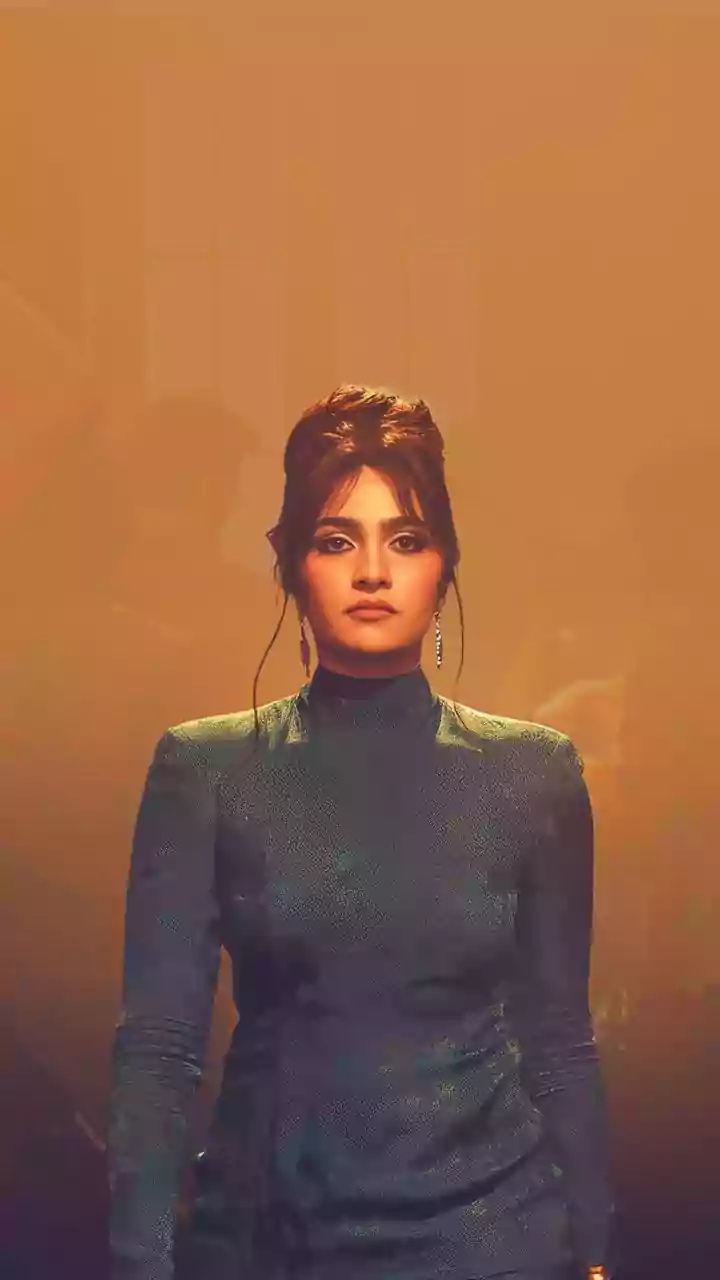
Still reigning supreme, the curtain fringe is arguably the most versatile and low-maintenance option. Parted in the middle, this style frames the face with longer pieces that sweep outwards, often hitting around the cheekbones or jaw. Its popularity stems
from its softness and the fact that it grows out gracefully, blending into your hair's layers without an awkward phase. This makes it an ideal choice for first-timers. It flatters a wide range of face shapes, including oval, square, and heart shapes, by softening angles and adding a touch of '70s-inspired glamour.
The Classic Side-Swept Look
A timeless and feminine choice, the side-swept fringe involves bangs cut at an angle and styled across the forehead to one side. This diagonal line is universally flattering, helping to elongate rounder face shapes and soften the sharp angles of a square jaw. Its versatility is a major plus; it can be adapted for short, medium, or long hair and works with straight, wavy, or curly textures. For those with a natural side parting, this style is especially easy to maintain and requires minimal effort to look polished and put-together.
The Bold Blunt Fringe
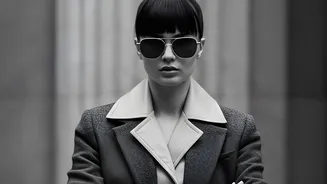
For a look that makes a statement, nothing beats a blunt fringe. Cut straight and heavy across the forehead, this style creates a strong, graphic line that dramatically emphasizes the eyes. It’s particularly flattering on those with longer or oval face shapes, as it can create the illusion of a shorter, more balanced face. While undeniably chic, this is a high-commitment style. A blunt fringe requires frequent trims, often every two to four weeks, to maintain its sharp, precise edge. It works best on thicker, straight hair that can achieve the solid, heavy line this look is known for.
The Soft and Feathery Wispy Fringe
If a heavy fringe feels too daunting, a wispy style offers a lighter, more romantic alternative. This fringe is delicately textured, allowing some of your forehead to peek through for a soft, airy finish. Unlike blunt bangs, wispy bangs are less of a commitment and blend more seamlessly into the rest of your hair, making them easy to style or sweep aside. This makes them another excellent option for anyone new to bangs. They work beautifully on almost any hair type, including fine hair, as they don’t require a lot of density to look good.
The Daring Micro Fringe
Also known as baby bangs, the micro fringe is cut well above the eyebrows for a bold, fashion-forward statement. This edgy look is perfect for highlighting strong bone structure and making your eyes pop. It's particularly well-suited for oval and heart-shaped faces with an even hairline. Be warned: this is the highest-maintenance fringe of all. The short length means growth is noticeable almost immediately, requiring trims every couple of weeks to keep its shape. It’s a confident choice that adds instant personality to shorter cuts like bobs and pixies.
Finding the Right Fringe for You
Ultimately, the best fringe depends on more than just your face shape; consider your hair texture, hairline, and daily styling routine. Fine hair, for instance, is well-suited to wispy styles that don't require much density, while thick hair may need texturizing to avoid a bulky look. If you have a cowlick, a side-swept fringe that works with your hair's natural growth pattern might be easier to manage than a perfectly centered curtain bang. Always consult with your hairstylist, who can help you tailor the perfect fringe to highlight your best features and fit your lifestyle.