





What is the SOLVE Motor?
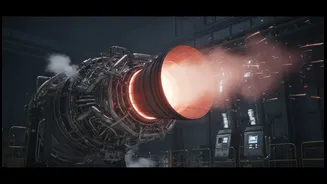
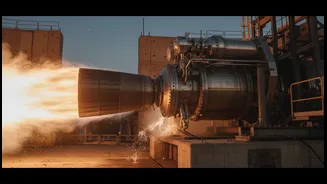
SOLVE, which stands for Sub-Orbital Launch Vehicle for Experiments, is a new solid rocket motor developed and tested by the Indian Space Research Organisation (ISRO). On July 3, 2026, it underwent its first successful ground test at the Satish Dhawan
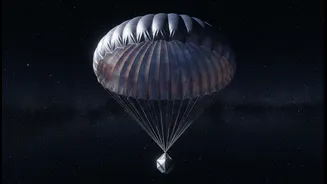
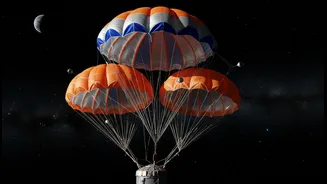
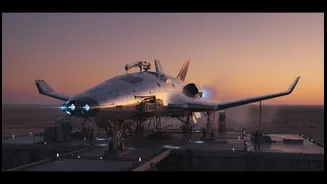
Space Centre in Sriharikota, with all performance parameters meeting their objectives. But unlike the giant engines that power rockets into orbit, SOLVE has a very specific and crucial job: to serve as a flying testbed. Its primary purpose is to validate the parachute system for the Gaganyaan mission, India's ambitious programme to send astronauts into space. The SOLVE vehicle is designed to carry a prototype of the Gaganyaan crew module to an altitude of 10 to 17 kilometres. Once it reaches the target height, the module will separate and begin its descent, allowing engineers to test the complex, 10-parachute sequence designed to slow the capsule for a safe splashdown at sea.
A Mission-Critical Safety System
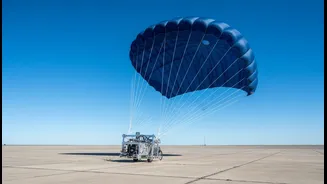
For any human spaceflight programme, ensuring the crew can return to Earth safely is the most critical challenge. The parachute-based deceleration system is arguably one of the most vital safety components of the entire Gaganyaan mission. A sequence of smaller parachutes must deploy perfectly to stabilize the module, followed by larger drogues and main parachutes to slow its velocity from thousands of kilometres per hour to just a gentle splashdown. Any failure in this sequence could be catastrophic. By creating a dedicated test vehicle like SOLVE, ISRO can conduct repeated, integrated trials of the entire parachute system under a wide range of simulated flight conditions. This allows them to gather crucial data and ensure the system's reliability before ever putting an astronaut on board. This latest achievement builds on a series of successful qualification trials over the past year, including integrated air-drop tests of the parachute system. The successful ground test of the SOLVE motor is a significant step, paving the way for the actual sub-orbital test flights.
The Bigger Picture: Gaganyaan Gains Pace
The successful test of the SOLVE motor is another indicator that India’s first human spaceflight programme is rapidly progressing from the drawing board to reality. Gaganyaan aims to make India the fourth nation in the world to independently launch a crewed mission into orbit and return them safely. This complex undertaking requires the development and validation of countless new technologies, from life support systems and crew escape mechanisms to the re-entry and recovery operations being tested by SOLVE. While private companies like Skyroot Aerospace and Agnikul Cosmos are making headlines with their own launch vehicles, ISRO is simultaneously pushing the envelope on the incredibly complex systems required for human spaceflight. The development of SOLVE demonstrates a strategic focus on rigorous, iterative testing to mitigate the immense risks involved. As India's space ambitions grow, the ability to ensure astronaut safety remains the absolute top priority, and the SOLVE motor is a cornerstone of that effort.
What Happens Next?
With the successful ground test complete, the next phase will involve using the SOLVE rocket for a series of sub-orbital test flights from Sriharikota. These missions will carry the Gaganyaan crew module to its target altitude and intentionally trigger the parachute deployment sequence. Engineers will closely monitor every stage of the descent and splashdown to validate the performance of the entire recovery system. These tests are a crucial prerequisite before ISRO proceeds with higher-altitude unmanned test flights of the full Gaganyaan system. The data gathered from the SOLVE missions will provide the confidence needed to move forward with the final phases of the programme, ultimately leading to the historic launch of Indian astronauts from Indian soil. While private players are energising the launch market, foundational developments like SOLVE show that ISRO is methodically building the critical infrastructure for India's next giant leap in space exploration.