







The Lure of the 'Hacker Fare'
We’ve all been there: scrolling through flight options, comparing prices, and trying to shave off a few thousand rupees. You find a great deal on a flight to a major hub, and a separate, cheap ticket on a budget airline for the final leg of your journey.
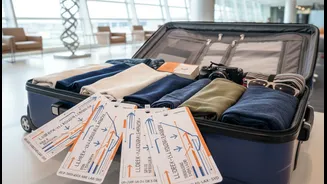
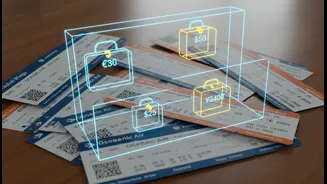
This strategy, sometimes called a “hacker fare” or “self-connecting,” seems like a clever way to beat the system. By mixing and matching airlines, especially combining a full-service carrier with a low-cost one, you can often find a total price that’s lower than what any single airline offers for the complete trip. The logic feels sound. You’re just creating your own itinerary. But what you’re actually doing is making two (or more) completely separate contracts for travel, and that’s a critical distinction with serious consequences.
Understanding the Single PNR
When you book a complete journey from your origin to your final destination in one transaction, the airline or travel agent creates a single Passenger Name Record (PNR). This unique six-character code is more than just a reference number; it’s the digital record that holds your entire itinerary together. It signifies a single contract of carriage. This means the airline is responsible for getting you from your starting point to your final destination as ticketed. All your flights, even if they are on different partner airlines, are linked under this one umbrella. Your luggage is tagged and checked through to the end, and the airline is obligated to manage your journey as a whole.
The High Risk of Separate Tickets
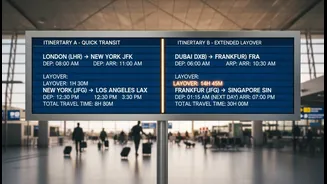
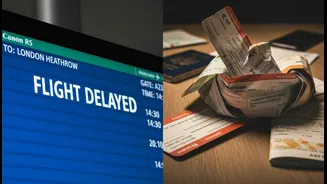
Now, consider the alternative. When you book two separate tickets, each has its own PNR. As far as the airlines are concerned, you are taking two completely unrelated trips. The airline for your first flight is only responsible for getting you to their destination (your connection point), and the second airline’s responsibility only begins at their check-in desk. If your first flight is delayed due to weather, a technical issue, or air traffic control, and you miss your second flight, the second airline has no obligation to help you. You will likely be considered a “no-show,” your ticket will be cancelled without a refund, and you will have to buy a new, often expensive, last-minute ticket to continue your journey. Furthermore, you are responsible for collecting your checked baggage, exiting the secure area, checking in again for your next flight, and clearing security a second time—a process that can eat up hours and make even a seemingly long layover dangerously tight.
The Safety Net of a Single Booking
With a single PNR, the story is entirely different. If your first flight is delayed and you miss your connection, the responsibility lies with the airline. They must rebook you on the next available flight to your final destination at no extra cost. If the delay requires an overnight stay, the airline is typically responsible for providing accommodation and meals. This protection is built into the cost of the ticket. You don’t have to worry about re-checking your bags, as they are automatically transferred to your next flight. This single point of responsibility transforms a potential travel disaster into a manageable inconvenience. The stress of figuring out a solution is lifted from your shoulders and placed on the airline, whose job it is to solve these logistical puzzles.
When Is the Risk Worth It?
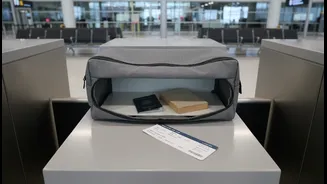
This isn't to say that booking separate tickets is always a bad idea. The strategy can make sense under specific conditions. If the cost savings are substantial enough to cover the price of a new ticket in a worst-case scenario, it might be a calculated risk worth taking. It can also be viable if you have a very long layover—think 12 hours or more—which provides a massive buffer against delays. Traveling with only carry-on luggage also significantly reduces the risk, as you can avoid the time-consuming process of reclaiming and re-checking bags. However, for most travelers on a typical schedule, the potential for stress, financial loss, and logistical nightmares far outweighs the initial savings. Some travelers may also opt for travel insurance that specifically covers missed connections on self-transfer flights, but it's crucial to read the policy's fine print.