
Start with the Fibre
The first step is to understand what the fabric is made of. The fibre determines the feel, drape, breathability, and care instructions. Common handloom fibres include cotton, which is breathable and ideal for daily wear, and silk, known for its rich lustre
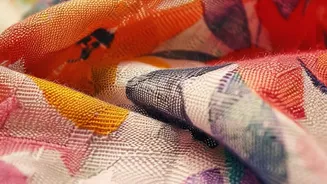
and festive feel. You will also find linen, wool, and various blends like silk-cotton. A detailed product description should clearly state the material. Be wary of vague terms like "art silk" which is a synthetic fabric. Look for specifics like "pure Tussar silk" or "Mul cotton." When viewing photos, cotton often has a soft, matte finish, while silk has a natural sheen. Handloom fabrics are known for being soft and breathable compared to machine-made alternatives. An authentic fabric made from natural fibres will feel more organic and comfortable against the skin.
Decode the Weave
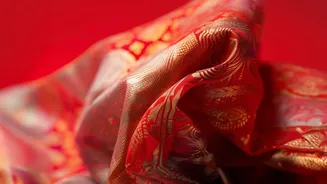
‘Handloom’ itself refers to the method of weaving on a manually operated loom, a process that imbues the fabric with a unique character. Slight irregularities in the texture are not defects but hallmarks of this human touch. The 'weave' also describes the specific technique used, which creates the fabric's structure and pattern. For instance, a Banarasi weave from Varanasi involves intricate brocade work with gold or silver zari, making it heavy and opulent. In contrast, a Chanderi from Madhya Pradesh is known for its lightweight, semi-transparent texture, blending silk and cotton. Other famous weaves include the geometric Ikat, where threads are tie-dyed before weaving, and the temple-bordered Kanjivaram silks from Tamil Nadu. Understanding the weave helps you appreciate the skill involved and why prices can vary significantly. A simple cotton weave might take days, while a complex silk brocade can take months.
Understand the Importance of Region
In India, handloom is intrinsically tied to geography. Each region has a distinct textile identity shaped by local climate, culture, and generations of artisanal knowledge. This is why knowing the origin is crucial; it tells you about the authenticity and tradition behind the piece. Many iconic weaves are protected by a Geographical Indication (GI) tag, a government certification that guarantees the product was made in a specific region using traditional methods. For example, a saree can only be called a "Kanchipuram Silk Saree" if it was woven in Kanchipuram. Other GI-tagged textiles include Paithani from Maharashtra and Pochampally Ikat from Telangana. This tag protects both the artisan and the consumer from fakes and ensures the preservation of cultural heritage. When a seller provides details about the weaving cluster or region, it's a positive sign of transparency.
Your Online Buying Checklist
Before you click 'buy', run through this mental checklist. First, scrutinise the photos. Look for close-up shots that show the fabric’s texture and any slight, natural irregularities. Ask the seller for a video or an image of the reverse side; in many handwoven designs, you'll see thread floats or small knots that are absent in machine-made versions. Second, ask direct questions: Is this handwoven? Does it have a Handloom Mark or Silk Mark certification? The Handloom Mark guarantees it's handwoven, while the Silk Mark guarantees 100% pure natural silk. Third, check the return policy, especially for high-value items, as colours and textures can appear different on screen. Finally, trust sellers who provide detailed information and artisan stories, as this transparency often points to authentic sourcing.