





More Than Just a Walk
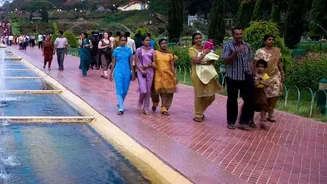
In cities and towns across India, a quiet revolution is taking place on foot. Every weekend, groups of people are lacing up their shoes and heading out together, not for a marathon, but for the simple pleasure of a walk. This isn't just a morning constitutional;
it's the rise of the walking club, a social phenomenon that blends fitness, friendship, and exploration. These clubs are tapping into a deep-seated need for connection in an increasingly digital and isolated world. For many, they offer a refreshing and accessible alternative to the high-pressure, high-cost environment of conventional gyms and fitness studios. The idea is simple: walking is free, it requires no special equipment beyond a comfortable pair of shoes, and it can be done almost anywhere. This accessibility is a key reason for its growing appeal among people of all ages and fitness levels.
The Science of Simple Steps
The physical benefits of walking are well-documented and profound. It’s a low-impact activity, meaning it's gentle on the joints, making it suitable for a wide range of people, from young adults to seniors. Regular walking can lead to significant improvements in health, including lower blood pressure, a reduced risk of heart disease, better weight management, and a stronger immune system. Studies have shown that people who join walking groups are more likely to stick with their routine, benefiting from the mutual motivation and accountability the group provides. Committing to meet up with others makes you more likely to show up, turning exercise from a solitary chore into an enjoyable social event. The consistency that groups encourage is often the key to unlocking the long-term health benefits of physical activity.
Finding Your Tribe, One Step at a Time
Beyond the physical gains, the mental and social rewards of joining a walking club are perhaps even more significant. In an era of urban loneliness, these groups are creating genuine communities and combating the social isolation that can affect mental well-being. Walking has been shown to reduce symptoms of anxiety and depression, improve mood, and boost self-esteem. When you add the social element, the benefits multiply. Conversations flow easily during a walk, helping to forge new friendships and strengthen existing ones. It becomes a dedicated time to connect with others, share stories, and offer support, all while moving your body in the fresh air. This combination of exercise and social interaction can be a powerful antidote to stress and a major boost for overall happiness.
A New Weekend Ritual
Walking clubs in India are diverse and creative. Some are neighbourhood groups that explore local parks and quiet residential streets. Others are more adventurous, organizing hikes on city outskirts or themed 'heritage walks' that delve into the history and architecture of an area. These themed walks transform a simple stroll into an act of discovery, connecting participants to their city's culture and past. From the metropolitan parks of Delhi and Mumbai to the waterfronts of Chennai and Kolkata, people are finding new ways to experience their surroundings. This variety keeps the activity engaging and ensures there's a walking group to suit almost any interest, whether it's nature, history, photography, or simply a good chat.
How to Join the Movement
Getting involved is easier than you might think. Many groups organize and communicate through social media platforms and community apps, making them easy to find with a simple online search. Local community centres or even workplaces are also good places to look for existing clubs. If you can't find a group that fits your schedule or style, consider starting your own. All it takes is a few interested friends or neighbours and a decision on when and where to meet. Start small with a simple, well-lit, and safe route. The most important thing is to create a welcoming and supportive environment. As the group grows, members can collectively decide on new routes and challenges, keeping the experience fresh and motivating for everyone involved.