



Why Monsoon Demands a Diet Shift
The rainy season in India is more than just a change in weather; it's a significant shift for our bodies. According to both modern nutrition and ancient Ayurvedic wisdom, the high humidity and dampness can weaken our digestive fire, or 'Agni'. This makes
us more susceptible to issues like bloating, indigestion, and seasonal infections. The increased moisture in the environment also creates a breeding ground for bacteria, making food and water contamination a greater risk. That's why experts advise shifting away from heavy, oily, cold, or raw foods during this time. Instead, the focus should be on warm, light, and freshly cooked meals that are easy to digest and help bolster your immune system. This is where August's seasonal bounty comes in, offering exactly what our bodies need to thrive.
August's Bounty: Your Monsoon Grocery List
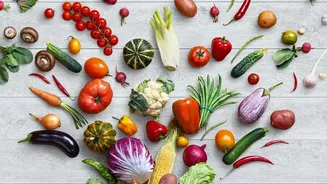
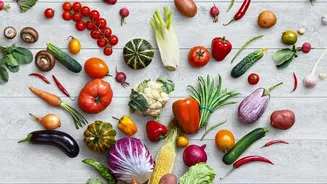
Shopping seasonally is the simplest way to get the most flavour and nutrition. In August, Indian markets are filled with produce perfectly suited for the climate. Gourds like lauki (bottle gourd), turai (ridge gourd), and karela (bitter gourd) are light, easy to digest, and hydrating. Corn, or bhutta, is an iconic monsoon snack for a reason; it's packed with antioxidants. Fruits like pears, jamun, and pomegranates are at their peak, offering a rich dose of Vitamin C and other antioxidants that are crucial for building immunity against common monsoon ailments. Incorporating warming and digestive spices like ginger, turmeric, and black pepper into your cooking can further support your system during this vulnerable season.
Recipe: Warming Spiced Corn Soup
This soup is a comforting hug in a bowl, perfect for a rainy evening. It combines the sweetness of fresh corn with the warmth of Indian spices to create a light yet satisfying meal. Start by boiling two cups of fresh or frozen corn kernels until tender. In a separate pan, heat a teaspoon of ghee or oil and add a pinch of cumin seeds. Once they splutter, add a finely chopped small onion, a teaspoon of grated ginger, and a pinch of turmeric. Sauté until the onion is soft. Blend half of the boiled corn with a little water to create a creamy paste. Add this paste, the remaining whole corn kernels, and the onion-ginger mixture to a pot. Add two cups of water or vegetable broth, season with salt and black pepper, and let it simmer for 5-7 minutes. The result is a simple, nourishing soup that's excellent for digestion and immunity.
Recipe: Classic Lauki Chana Dal
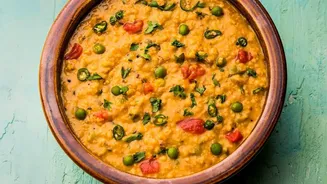
Lauki, or bottle gourd, is a star vegetable during the monsoon because it is incredibly easy on the stomach. Paired with protein-rich chana dal, it makes for a wholesome and balanced meal. To prepare, pressure cook half a cup of soaked chana dal with two cups of chopped lauki, a pinch of turmeric, and salt until the dal is soft. For the tadka, heat a tablespoon of ghee in a small pan. Add mustard seeds, cumin seeds, a dry red chilli, and a pinch of asafoetida (hing). Once they sizzle, add a finely chopped tomato and cook until soft. Pour this aromatic tempering over the cooked dal and lauki. Garnish with fresh coriander. This dish is a perfect example of a simple, home-cooked meal that Ayurveda recommends for the rainy season.
Recipe: Steamed Pomegranate & Pear Bhapa Doi
Craving something sweet doesn't mean you have to indulge in heavy, fried desserts. Bhapa Doi, or steamed yogurt, is a wonderfully light and healthy alternative. For a seasonal twist, hang 500g of full-fat curd in a muslin cloth for at least an hour to drain the whey. Whisk the thick yogurt with three tablespoons of condensed milk or jaggery until smooth. Pour the mixture into small, heatproof bowls. Place the bowls in a steamer or a pressure cooker without the whistle and steam for 15-20 minutes. Let it cool completely and then refrigerate. To serve, top the chilled Bhapa Doi with fresh pomegranate seeds and finely diced pear. This creates a delicious dessert that's not only gut-friendly but also incorporates the immunity-boosting benefits of seasonal fruits.