


1. They Are the Ultimate Comfort Food
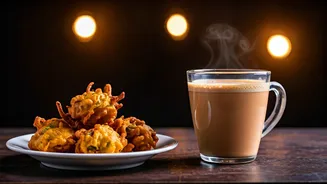
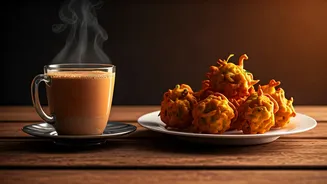
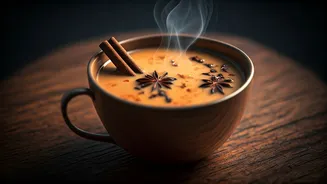
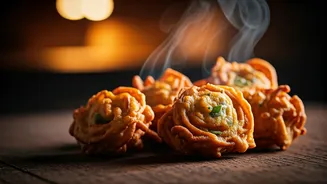
There are few foods that evoke a sense of warmth, nostalgia, and comfort quite like a freshly fried pakora. For millions, the pakora is not just a snack; it's a feeling. It's the taste of monsoon afternoons, the sound of crackling oil a welcome soundtrack
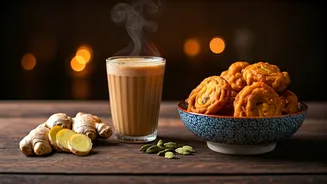
to the pitter-patter of rain outside. It's the impromptu treat your mother made when guests arrived unannounced, or the simple pleasure shared with family over a hot cup of chai. This deep emotional connection is at the heart of its enduring appeal. In a world obsessed with complex culinary creations, the pakora is a comforting reminder that sometimes, the simplest things are the most satisfying. It’s a bite-sized piece of home, a tangible link to cherished memories that transcends generations and geographies.
2. The Variety Is Truly Endless
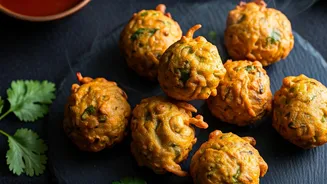
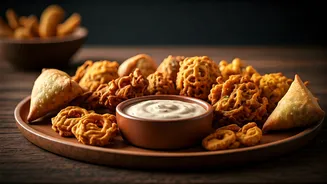
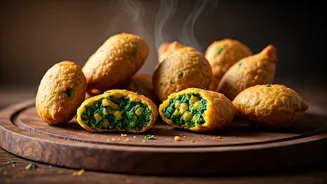
To say you’re having a 'pakora' is like saying you’re having a 'sandwich'—it tells you nothing about the specifics, and that’s the beauty of it. The pakora is less a single recipe and more a culinary concept, a delicious formula that invites endless creativity. The batter is almost always a base of besan (chickpea flour), but what goes inside is a canvas for regional and personal tastes. There’s the classic pyaaz pakora (onion), the soft and starchy aloo pakora (potato), and the earthy palak pakora (spinach). Venture further and you’ll find paneer pakoras, gobi (cauliflower) pakoras, and even bread pakoras. Every household has its own secret spice blend, its own preferred thickness of batter, and its own debate about the perfect dipping chutney—be it tangy tamarind, spicy mint-coriander, or a simple tomato ketchup. This incredible versatility ensures that there is a pakora for every palate and every occasion.
3. They Are Inherently Social
Pakoras are not meant to be eaten alone in a quiet corner. They are a communal food, designed for sharing and socialising. Think about it: they are almost always made in large batches, emerging hot from the kadai and piled high on a plate for everyone to grab. They are the star of the show at casual get-togethers, kitty parties, and train journeys. They are the perfect street food, passed over a counter in a paper cone, to be nibbled on while chatting with friends. The act of making and sharing pakoras fosters connection. It’s a food that encourages conversation and brings people together, turning a simple snack break into a shared experience. In an increasingly digital and isolated world, the simple, tangible act of sharing a plate of hot pakoras feels more relevant than ever.
4. They Are Accidentally Modern
While steeped in tradition, the pakora fits surprisingly well into modern food trends. The base ingredient, besan, is a powerhouse. It’s naturally gluten-free, high in protein, and rich in fibre, ticking several boxes for today’s health-conscious consumers. While deep-frying is the traditional method, pakoras are wonderfully adaptable. They can be made in an air fryer or even baked for a lighter, less oily version that still delivers a satisfying crunch and flavour. This adaptability allows a new generation to enjoy this classic snack without compromising their dietary preferences. The core concept is also plant-forward, with most popular varieties being entirely vegan, making them an easy and delicious choice for a growing demographic.
5. A Gateway to Indian Cuisine
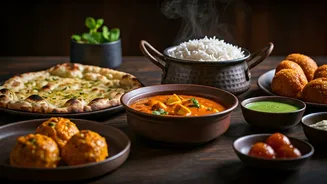
For those unfamiliar with the vast and diverse landscape of Indian food, the pakora serves as a friendly and accessible ambassador. It’s simple, it’s fried, it’s delicious—there’s very little to dislike. Unlike some complex curries that might seem intimidating to a novice palate, the pakora is universally appealing. It offers a gentle introduction to Indian spices and flavours without being overwhelming. As Indian street food gains popularity across the globe, from food trucks in New York to markets in London, the pakora is often at the forefront, winning over new fans one crispy bite at a time. It’s a flavour-packed invitation to explore the richness of India’s culinary heritage.