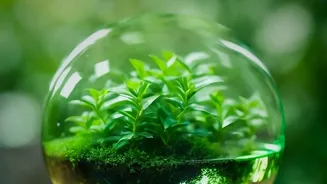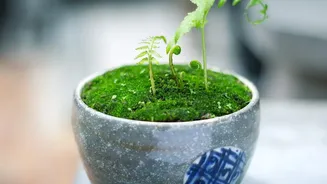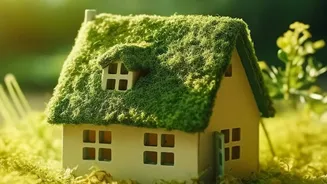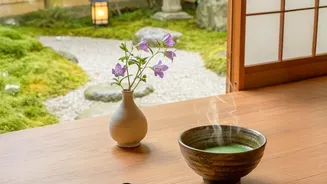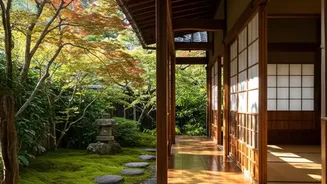



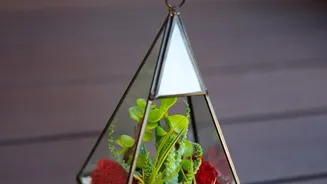
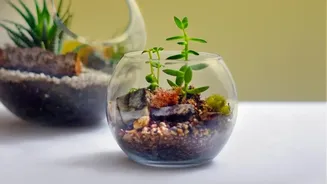
Want to bring the calm of a forest floor into your home without the fuss of a typical houseplant? A moss garden is the perfect solution, offering lush, green beauty in a compact form that thrives even without direct sunlight.
The Unique Charm of Moss
Unlike most houseplants, mosses
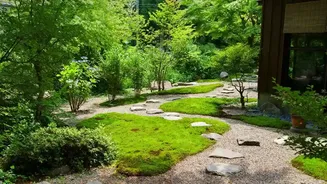
are incredibly well-suited for indoor life, especially in less-than-sunny spots. They don’t have traditional roots, instead absorbing moisture and nutrients through their leaves. This means they can flourish in shallow containers and don't require deep soil. Mosses naturally grow in shady, damp places like forest floors, so they are perfectly happy in the indirect light of a north-facing window or a bright room away from the sun's direct rays. This makes them an ideal choice for apartments, offices, or any space where bright sunlight is scarce. Their vibrant green textures also offer a unique aesthetic, creating a serene, miniature landscape that can help reduce stress and improve the feel of a room.
Choosing Your Moss and Container
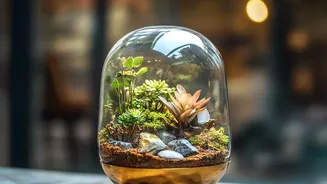
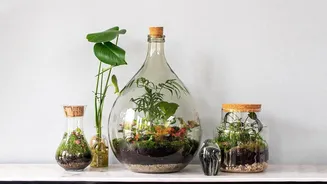
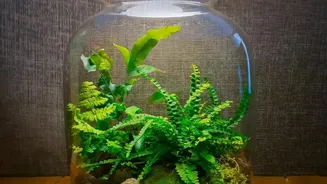
Success begins with the right materials. For containers, almost any small, clear glass jar, bowl, or even a wide-mouthed bottle will work. A lidded container is ideal as it creates a self-sustaining, high-humidity ecosystem that mosses love. When it comes to the moss itself, several types are excellent for beginners. Sheet Moss (Hypnum) is great for creating a flat, carpet-like base. For texture and height, consider Cushion Moss (Leucobryum) or Mood Moss (Dicranum), which form soft, pillowy mounds. These species are adaptable and do well in the stable environment of a closed terrarium. You can often find them at garden centres or purchase them from online suppliers.
How to Build Your Miniature Garden
Creating your moss garden is a simple and meditative process. First, add a shallow layer of small pebbles or gravel to the bottom of your container for drainage. This prevents the soil from becoming waterlogged, which can cause moss to turn brown. While not essential for an open container, a thin layer of activated charcoal on top of the gravel can help keep a closed terrarium fresh. Next, add a layer of potting soil. You can create gentle slopes and valleys to make the landscape more interesting. Lightly moisten the soil, then begin placing your moss. Press each piece firmly onto the soil to ensure good contact. You can use tweezers or a chopstick for precise placement in smaller containers. Feel free to add small stones or twigs to complete your miniature world.
Light and Long-Term Care
Placement is key. Find a spot that receives bright, indirect light. Direct sunlight will scorch the moss and can cause the glass to overheat, so avoid window sills that get strong sun. Watering is minimal. In a closed terrarium, the ecosystem will recycle its own moisture, and you may only need to add water a few times a year. A good sign is light condensation on the glass. If the glass is constantly foggy, simply open the lid for a few hours to let excess moisture evaporate. If the moss looks pale or feels dry, it's time to mist lightly with distilled or rainwater, as tap water can contain minerals that harm moss over time. Remove any yellowing leaves or patches of mould promptly to keep the environment healthy.