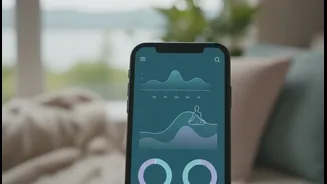








The Rise of the Wellness Chore
Self-care used to be simple: a walk, a hot bath, an early night. Now, for many, it has become a rigorously managed project. We track our sleep cycles, count our steps, log our calorie intake, and score our meditation sessions. What started as a move toward
empowerment has morphed into a form of self-surveillance. The wellness industry has supplied an arsenal of apps and wearable devices that promise a better life through data. But this constant monitoring can turn acts of restoration into just another list of chores, adding a layer of performance pressure to the one area of life that should be free from it. The expectation is to be perpetually improving, and if you're not optimizing, you risk feeling like you're falling behind.
When Data Overrules Intuition
The greatest paradox of data-driven self-care is that it can teach us to stop listening to the most important source of information we have: our own bodies. Instead of asking, "How do I feel?" we check a dashboard to be told how we feel. Waking up feeling rested is no longer enough if a sleep tracker gives you a poor score. This creates a disconnect, where digital feedback is trusted more than our internal cues. Experts warn this can lead to 'health anxiety,' where small, normal fluctuations in metrics are misinterpreted as signs of a serious problem, causing unnecessary stress. The relentless pursuit of 'perfect' numbers can make us feel guilty for taking a rest day or anxious about a single off-plan meal, undermining the very goal of well-being.
The Burnout of 'Betterment'
The culture of self-optimization promises a shortcut to happiness and success, but often leads to burnout and a constant feeling of not being enough. This phenomenon is sometimes called "betterment burnout." When self-care becomes another performance metric, it can quietly turn into another source of pressure. Psychologists note that when our self-worth gets tied to perfect metrics, any deviation can feel like a failure, triggering negative self-talk and frustration. This endless pursuit of an idealized, optimized self is exhausting. Burnout isn't a sign that you are lazy or lack discipline; it's often a signal from an overwhelmed nervous system that is conserving resources. In this state, even 'healthy' habits can feel like a punishment rather than a relief.
Finding Your 'Good Enough' Point
A growing 'unquantified self' movement is pushing back against obsessive tracking, championing a more intuitive and embodied approach to wellness. The goal isn't to abandon self-care but to reclaim it. True care is about listening to your needs in the moment, not adhering to a rigid checklist. This might mean cancelling a planned workout for a nap because your body is tired, or ordering takeout instead of meal prepping because your mind needs a break. The first step is to pause and ask what you truly need, separate from what an app or social media trend tells you that you should be doing. Consider data-free days, uninstalling a triggering app, or simply prioritizing how you feel over what the numbers say. The aim is to shift from obligation to intention, finding a sustainable balance that genuinely restores you.