






The Unsettling Discovery
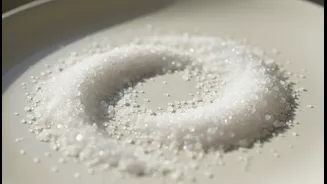
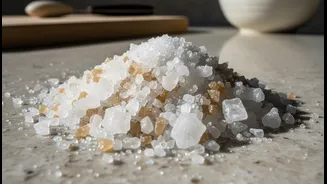
A recent study by the environmental research organization Toxics Link has sent a ripple of concern across the country. Their investigation into various brands of salt and sugar available in India, both packaged and loose, found microplastics in every
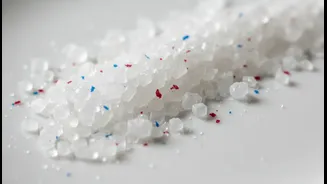
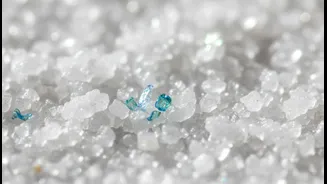
single sample tested. The study, which analysed ten types of salt and five types of sugar, revealed these tiny plastic particles in various forms, including fibres, films, and fragments. The concentration was highest in common iodised salt and lowest in organic rock salt, raising questions about production processes and environmental contamination. This isn't the first time Indian researchers have sounded the alarm; a 2018 study by IIT-Bombay also found microplastics in several table salt brands, indicating this is a persistent issue.
From Ocean and Field to Your Plate
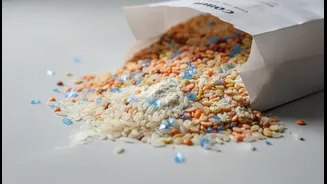
How are these plastics getting into our food? The pathways are varied and reflect a widespread environmental problem. For sea salt, the primary source is the ocean itself, which is heavily polluted with plastic waste. As water evaporates to produce salt, the microscopic plastic particles are left behind. For sugar, contamination can occur at various stages, from airborne plastic fibres settling on crops like sugarcane to particles shedding from plastic machinery and packaging during processing and transport. The study by Toxics Link found microplastics of various colours, suggesting a diverse origin, from synthetic fibres shed by clothing to fragments of larger plastic items that have broken down over time.
The Health Question Mark
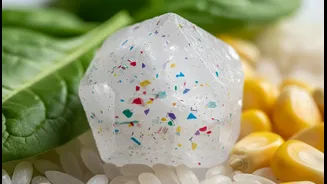
The discovery of plastics in our food naturally leads to one crucial question: what does this mean for our health? While research on the direct impact of ingested microplastics on humans is still evolving, the initial findings are concerning. Scientists worry that these particles could cause inflammation, damage cells, and disrupt gut health. Microplastics can also act like tiny sponges, absorbing toxic chemicals, heavy metals, and other pollutants from the environment and potentially releasing them into our bodies after consumption. Studies have linked some chemicals found in plastics to a range of health issues, including reproductive problems and an increased risk of certain cancers, though a direct causal link to ingested microplastics in humans is yet to be definitively established. In response to these growing concerns, the Food Safety and Standards Authority of India (FSSAI) has launched a project to develop methods for detecting microplastics and to assess exposure levels in the Indian population.
Making Smarter Choices
While it's impossible to completely eliminate microplastics from our lives overnight, we can take steps to reduce our exposure. The Toxics Link study noted that organic rock salt had the lowest concentration of microplastics, suggesting that the source of the salt can make a difference. More broadly, consumers can focus on reducing plastic use in the kitchen. Opting for food stored in glass or stainless steel containers over plastic ones is a good start. Avoid microwaving food in plastic containers, as heat can cause plastics to shed more particles. Using wooden or metal cooking utensils instead of plastic ones can also help. Drinking tap water, which studies have shown often contains fewer microplastics than bottled water, is another practical step. These individual actions, combined with wider industry and policy changes to reduce plastic pollution at its source, are crucial in tackling this pervasive issue.