


September: The Monsoon's Unpredictable Farewell
September is a month of two distinct halves in the Indian mountains. It marks the official withdrawal period of the Southwest Monsoon, a process that is gradual and often unpredictable. The first half of the month can still feel like an extension of the rainy
season, with lingering showers, saturated soil, and a continued risk of travel disruptions. Forecasts for early September 2026 show active monsoon conditions continuing, with heavy rainfall alerts issued for states like Uttarakhand and Himachal Pradesh. However, as the month progresses, the rain typically eases, giving way to clearer skies and more stable conditions, making the latter half of September a safer bet for travel. This transition from wet to dry weather makes the landscape exceptionally vibrant but also means travellers must remain vigilant.
The Himalayas: A Tale of Two Altitudes
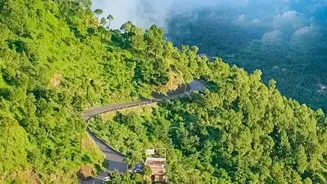
In the northern states of Himachal Pradesh and Uttarakhand, early September can be fraught with challenges. The India Meteorological Department (IMD) has issued warnings for heavy rainfall and potential flash floods for the first week of September 2026. Saturated slopes from months of rain remain vulnerable to landslides, which can lead to significant road blockages on key highways like those connecting to Shimla, Manali, and routes through the Garhwal region. As of early September, dozens of roads in Himachal Pradesh were reported blocked. However, conditions improve significantly by mid-to-late September. High-altitude desert regions like Spiti Valley and Ladakh, which lie in a rain-shadow area, are largely dry and offer excellent conditions with pleasant daytime temperatures, though nights can get very cold, dropping close to freezing.
The Western Ghats: Lingering Mist and Lush Greens
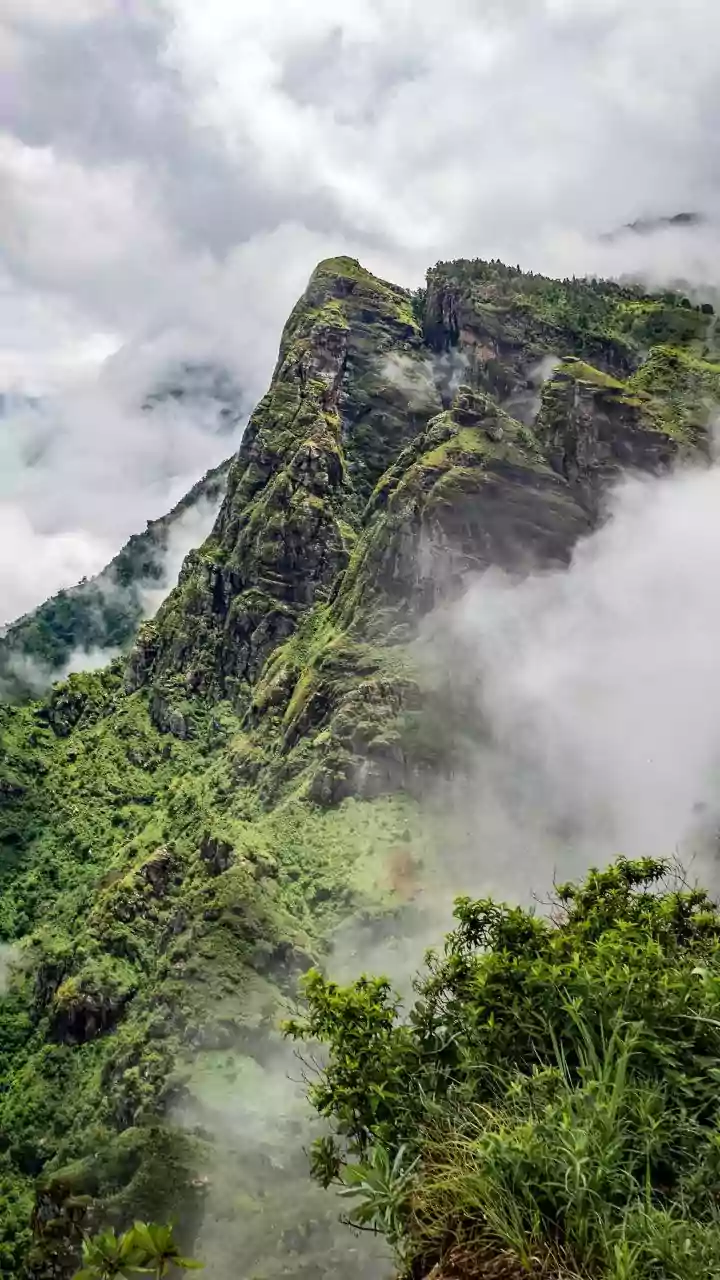
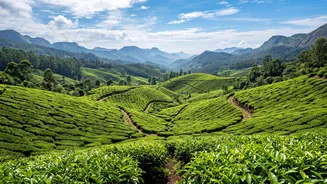
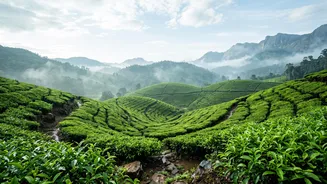
In the south, the mountain ranges of the Western Ghats across Kerala, Karnataka, and Maharashtra are still shaking off the monsoon in September. While the torrential downpours of July and August have passed, travellers should still expect residual showers and high humidity. The weather often follows a pattern of clear, misty mornings followed by afternoon heat that can trigger short, intense rain showers. The landscape is at its most spectacular, with waterfalls at full force and hillsides painted a brilliant green. However, the risk of slippery trails and leeches remains, and some areas like Munnar have been prone to landslides during heavy monsoon spells in the past. Trekking is possible, but it is essential to check local trail conditions and preferably hire a local guide, as paths can be slick and weather can change rapidly.
Your September Mountain Checklist
Given the variable conditions, flexibility is your greatest asset when planning a September mountain trip. If possible, aim for the second half of the month for a higher chance of clear, stable weather. Always check the latest IMD forecasts and local traffic police advisories for road status before and during your journey. Packing should include layers: waterproof jackets and good-grip shoes are non-negotiable, alongside warm clothing for the cold nights, especially at high altitudes. Build buffer days into your itinerary to account for potential delays from roadblocks or bad weather. Finally, avoid driving in hilly areas after dark, as visibility can be poor and risks are higher on slick, winding roads.