





The Dawn of a Savoury Breakfast
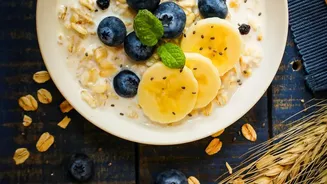
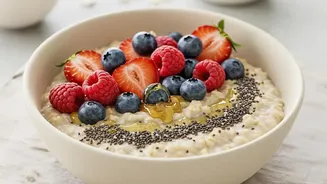
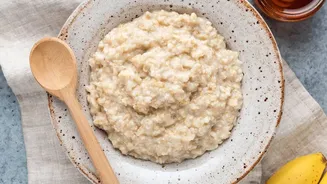
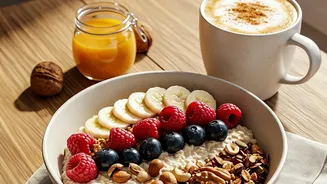
For years, the default breakfast for many health-conscious individuals has been a bowl of oatmeal, often sweetened with fruit, honey, or maple syrup. But a shift is underway. In gyms and kitchens across India’s bustling cities, a growing number of people
are ditching the sugar-laden start to their day in favour of something with more spice and substance. This move is driven by a desire for breakfasts that are not only delicious but also better aligned with fitness goals. Savoury oats provide a low-sugar, high-fibre alternative that offers sustained energy, crucial for powering through a morning workout and preventing a mid-day crash. Unlike their sweet counterparts, which can cause a rapid spike and fall in blood sugar, savoury oats deliver a slower, more stable energy release. This makes them an ideal choice for anyone looking to manage weight, build muscle, and maintain energy levels throughout the day.
What Exactly Are Masala Oats?
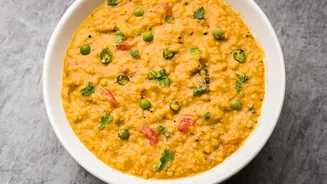
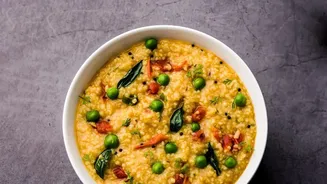
At its heart, Indian-spiced savoury oatmeal, often called 'masala oats', is a simple concept: oats cooked with a tantalising blend of vegetables and traditional Indian spices. Think of it as a porridge that has been given a vibrant, desi makeover. The grain acts as a neutral canvas, much like rice or quinoa. The preparation often begins with a tempering of cumin seeds, mustard seeds, and curry leaves in a little oil, followed by sautéed onions, ginger, and green chillies. From there, a variety of vegetables like carrots, peas, bell peppers, and tomatoes are added, along with spices such as turmeric, coriander powder, and a touch of garam masala. This combination turns a simple bowl of oats into a complex, flavourful, and nutritionally complete meal that is both comforting and deeply satisfying.
The Nutritional Power-Up
The benefits of this breakfast swap go far beyond just taste. From a nutritional standpoint, savoury oats are a powerhouse. Oats themselves are an excellent source of beta-glucan, a soluble fibre known for its ability to lower cholesterol and improve blood sugar control. When you remove the sugar and add vegetables and spices, you enhance these benefits significantly. Vegetables add essential vitamins, minerals, and additional fibre, increasing the meal's nutrient density. More importantly, the savoury format opens the door to a wider range of protein additions. While sweet porridge is often limited to nuts or seeds, masala oats can be easily fortified with protein-rich ingredients like paneer, lentils, sprouts, or a topped with a fried or boiled egg, turning it into a balanced meal that supports muscle repair and growth. This high-protein, high-fibre combination promotes satiety, keeping you feeling full and satisfied for hours, which is a major advantage for weight management.
A Modern Take on Tradition
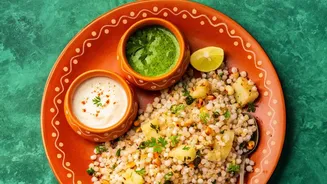
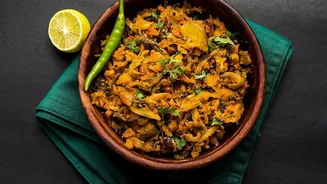
While savoury oats might seem like a modern wellness trend, the concept is deeply rooted in Indian culinary traditions. For generations, savoury porridges have been a breakfast staple across the country. Dishes like Upma (made from semolina), Poha (flattened rice), and Khichdi (rice and lentils) all share a similar profile: a grain base cooked with spices and vegetables. Masala oats can be seen as a contemporary evolution of these beloved dishes, simply substituting a different whole grain into a familiar flavour framework. This connection to tradition is part of its growing appeal. It feels both new and familiar, offering the comfort of home-style cooking combined with the health credentials of a modern superfood. It bridges the gap between the global wellness movement and the rich, time-tested flavours of the Indian kitchen.