

Flavour Born from Fermentation
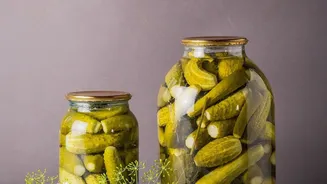
The magic of traditional Indian pickles lies in a centuries-old preservation method: lacto-fermentation. Unlike pickles preserved quickly with vinegar, authentic Indian 'achar' is made by combining fruits or vegetables with salt, oil, and a complex blend
of spices, then allowing it to mature. Over days or weeks, often with the help of sunlight, naturally present beneficial bacteria called Lactobacillus convert sugars into lactic acid. This process not only preserves the food but also creates the deep, complex, and tangy flavours that are the hallmark of a great pickle. The lactic acid provides a characteristic sourness, while the spices infuse the ingredients, resulting in a condiment that is simultaneously spicy, salty, sour, and sometimes sweet.
A Gut-Friendly Powerhouse
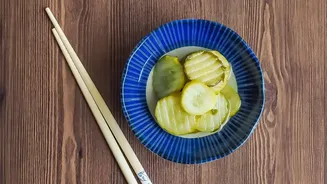
The same fermentation process that creates incredible flavour is also responsible for the probiotic benefits of pickles. Probiotics are live, beneficial bacteria that support a healthy digestive system. The Lactobacillus strains developed during fermentation are similar to those found in yoghurt and other fermented foods. These microorganisms can help balance your gut microbiome, which is crucial for digestion, immunity, and even mental well-being. However, it's important to note that not all pickles are probiotic. Mass-produced commercial pickles that are pasteurised (heat-treated) or made with vinegar instead of through natural fermentation will not contain these live cultures. To reap the gut-friendly benefits, look for traditionally made, unpasteurised pickles.
A Tour of India's Pickle Jar
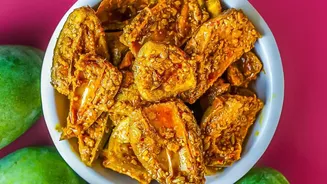
India's diverse geography and culinary traditions have resulted in hundreds of unique pickle varieties, each with its own regional identity. In the south, Andhra Pradesh and Telangana are famous for the fiery 'Avakaya' (a raw mango pickle with mustard powder) and the sour 'Gongura' pickle, made from sorrel leaves. Kerala offers tangy 'Kadumanga' (tender mango pickle) and even prawn pickles that capture coastal flavours. Head west to Gujarat for the sweet and sour 'Chhundo' (grated mango pickle) and 'Gorkeri', often featuring jaggery. In the north, mustard oil is the base for robust pickles like Punjab's stuffed red chilli pickle and Rajasthan's unique 'Ker Sangri' achar. Further north, Kashmir offers a crunchy lotus stem pickle, while the Northeast is known for its pungent bamboo shoot pickles.
Beyond the Flavour Boost
Beyond their probiotic potential, Indian pickles pack a nutritional punch from their ingredients. Spices commonly used, such as turmeric, fenugreek, mustard seeds, and asafoetida (hing), are known for their antioxidant and anti-inflammatory properties. Pickles made from ingredients like amla (Indian gooseberry) and lemon are rich in Vitamin C, which helps boost immunity. The spices also stimulate the secretion of digestive enzymes, which can help break down food more efficiently and reduce issues like bloating. While pickles are flavourful, they are meant to be consumed in small quantities as a condiment due to their high salt and oil content. A small spoonful is enough to enhance a meal and provide a dose of these benefits.