



The Call of the Wild
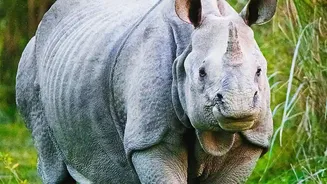
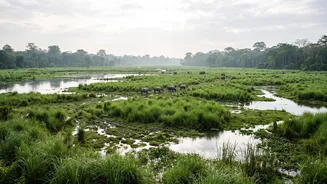
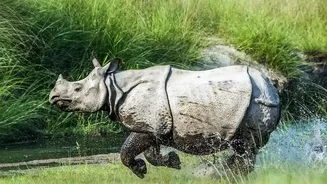
A UNESCO World Heritage Site, Kaziranga National Park is a global conservation success story, famed for hosting two-thirds of the world's great one-horned rhinoceros population. But rhinos are just the beginning. The park's true magic lies in its vibrant
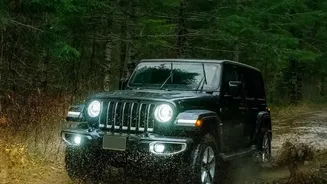
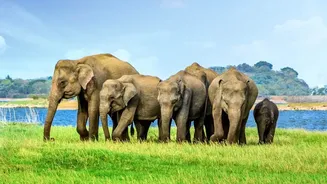
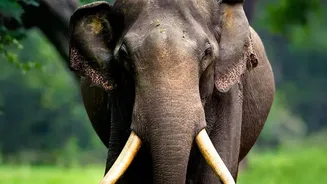
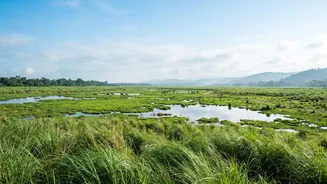
ecosystem of tall elephant grass, sprawling wetlands, and dense forests. A jeep safari offers a front-row seat to this natural theatre, providing a safe and exhilarating way to cover the park's diverse terrain. Unlike the slower elephant safari, a jeep allows you to explore deeper into different zones, maximizing your chances of spotting the park's famed 'Big Five': the Rhinoceros, Tiger, Elephant, Wild Water Buffalo, and Swamp Deer. It's an adventure that promises not just sightings, but a profound connection to one of Asia's last great wildernesses.
Choosing Your Adventure: The Safari Zones
Kaziranga is divided into four main safari zones, each offering a distinct experience. The Central Range (Kohora) is the most popular, renowned for its high density of rhinos and a mix of grassland and forest scenery. The Western Range (Bagori) also boasts excellent rhino and wild water buffalo sightings, often in more open wetlands which are ideal for photography. For birdwatchers, the Eastern Range (Agoratoli) is a paradise. Its riverine landscape attracts a staggering variety of migratory and resident birds. Finally, the Burapahar Range offers a more rugged, hilly, and off-the-beaten-path experience, known for sightings of hoolock gibbons and a different forest character. For a comprehensive visit, seasoned travellers recommend experiencing at least two different zones.
The Safari Ride: What to Expect
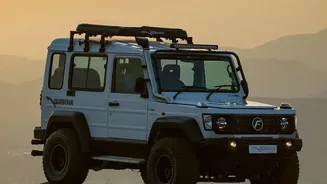
A typical jeep safari lasts around two hours, winding through dusty, unpaved tracks in an open-top Maruti Gypsy, a vehicle chosen for its ability to navigate the rugged terrain. Each jeep accommodates up to six passengers and is accompanied by a mandatory forest guide and a driver. These local experts are invaluable, skilled at spotting camouflaged wildlife and interpreting the sounds and signs of the jungle. They'll point out everything from a distant herd of elephants to the flash of a colourful kingfisher. The ride is bumpy and thrilling. You'll feel the wind in your hair as you cross grasslands and the quiet anticipation as the jeep slows near a waterbody, where animals often congregate. Safaris run in two shifts daily: a morning slot and an afternoon one.
Planning Your Trip: Essential Tips
The best time to visit Kaziranga is between November and April, when the weather is pleasant and dry. The park remains closed during the monsoon season, typically from May to October, due to widespread flooding from the Brahmaputra River. For the 2026-2027 season, jeep safaris began on October 3rd, 2026, with all ranges opening in phases. It is highly recommended to book safaris in advance, especially during the peak months of December and January. Bookings can be made through the official government portal or via trusted tour operators and hotels, who can handle permits and jeep arrangements for a hassle-free experience. When packing, opt for neutral-coloured clothing to blend in with the surroundings, and don't forget essentials like binoculars, a good camera, sunscreen, and a valid photo ID, which is required for entry.