

The Soul of Batik
Originating from Java, Indonesia, Batik is a masterful art of wax-resist dyeing applied to fabric. Artisans use a pen-like tool called a canting to draw motifs with hot wax, which resists dye and creates stunning patterns. These designs are far from random;
they are a visual language rich with symbolism. Common motifs draw from nature, including flowers like the lotus, which signifies purity, or animals and birds that can represent freedom or power. Geometric patterns like the Parang, with its diagonal wave-like lines, historically denoted strength and was worn by royalty. Whether floral, geometric, or abstract, each piece of Batik carries a story, making it more than just a decorative textile, but a piece of cultural heritage.
Batik for the Bohemian Spirit
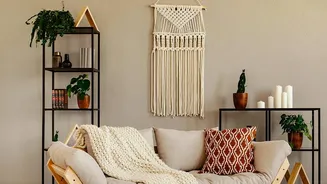
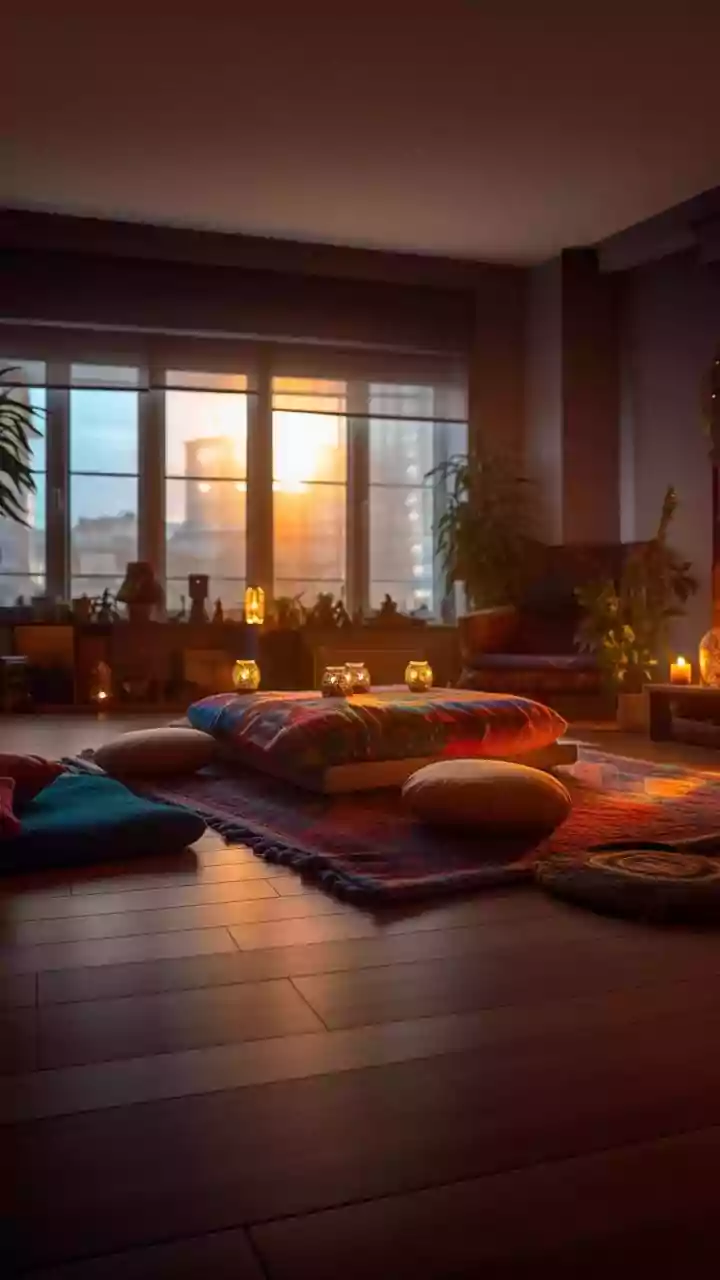
Boho Chic is an aesthetic defined by its free-spirited, eclectic, and unconventional nature. It champions a mix of global accents, layered textures, and a lived-in feel, making it a perfect match for Batik's artisanal charm. The organic and often colourful patterns of Batik blend seamlessly into the maximalist tendencies of a Boho space. To incorporate it, think in layers. A large Batik tapestry can serve as a stunning, low-commitment focal point behind a sofa or bed. Throw pillows with varied Batik patterns can be scattered across a low-profile lounge sofa or floor cushions, adding to the relaxed and comfortable vibe. Don't be afraid to mix a floral Buketan-style Batik with a geometric Parang pattern; the beauty of Boho is in the artful and personal combination of different stories and textures.
A Minimalist Moment with Batik
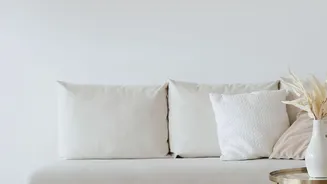
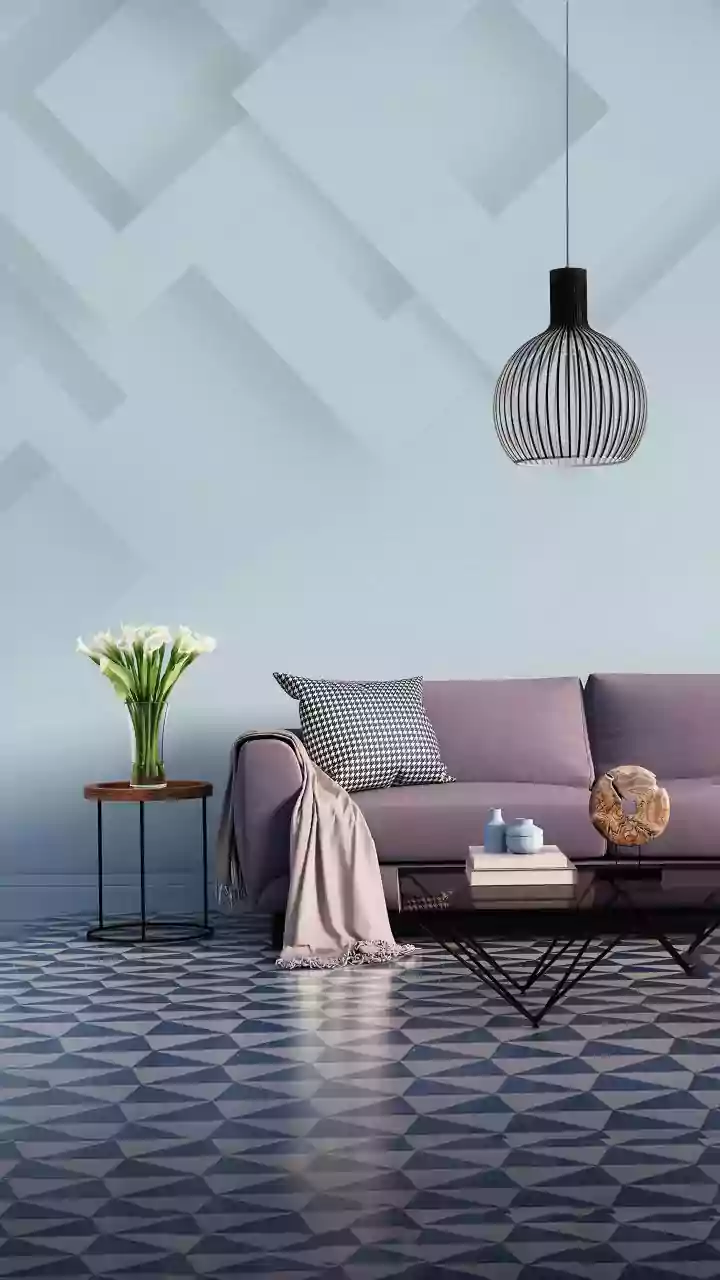
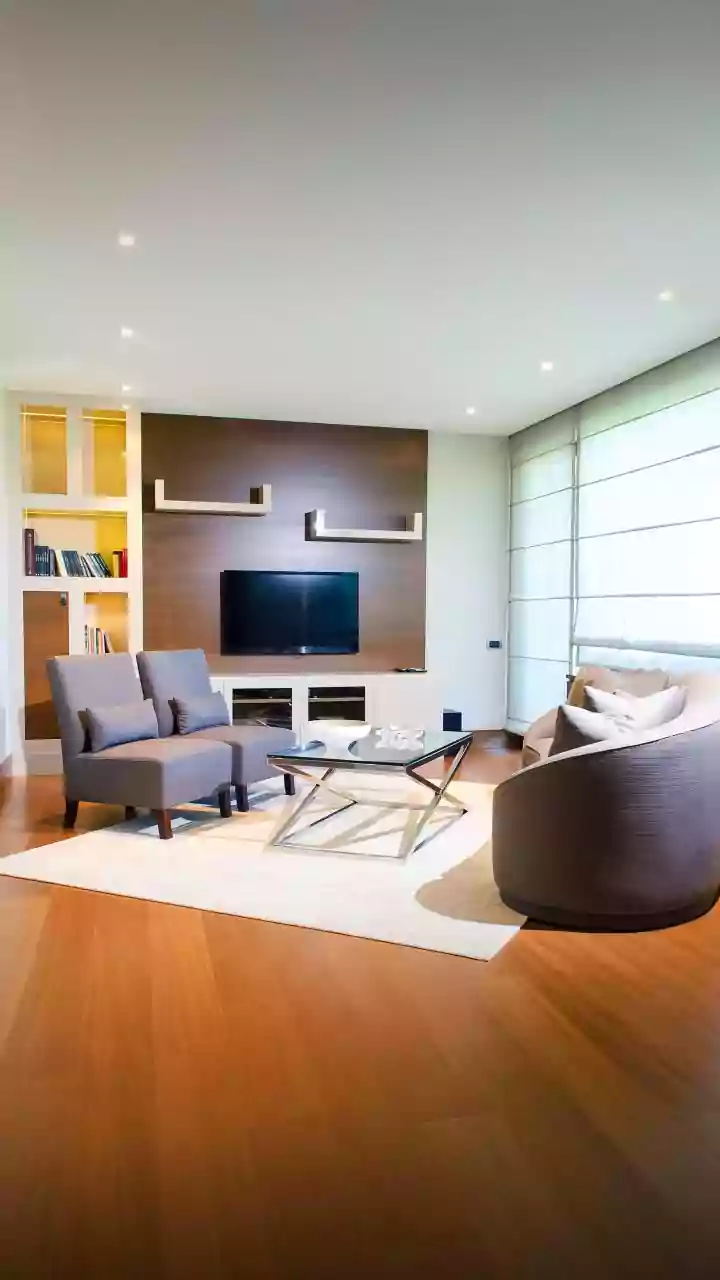
At first glance, the intricate detail of Batik seems at odds with Minimalism's 'less is more' philosophy. Minimalist design prioritizes functionality, clean lines, and a neutral palette to create a sense of calm and order. However, this style also values high-quality, intentional pieces that serve a distinct purpose. This is where Batik can shine, not as layered clutter, but as a singular, powerful statement. The key is to treat the textile as a piece of art. Choose a Batik with a strong graphic or geometric pattern, perhaps in a monochromatic or two-tone colourway like indigo and white. A single, beautifully framed piece of Batik on an otherwise empty wall becomes a deliberate focal point. Alternatively, one or two Batik cushions on a neutral-toned sofa can introduce texture and a touch of heritage without disrupting the room's serene, uncluttered aesthetic.
Honoring Tradition with Batik
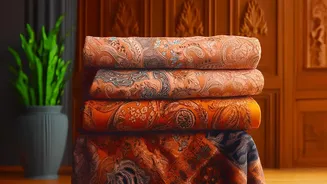
In a traditional home setting, which often favours classic furniture, rich materials, and a sense of history, Batik finds a natural and elegant home. Here, the goal is to integrate the fabric in a way that feels both timeless and sophisticated. High-quality, hand-drawn Batik Tulis in classic colour palettes—like deep indigo, rich brown, and cream—works exceptionally well. Consider using a durable Batik fabric to upholster a single accent chair, transforming a simple piece of furniture into a conversation starter. A long table runner featuring a classic motif like the Truntum pattern, which symbolizes growing love, can add a layer of meaning and beauty to a dining room. For a more subtle approach, a series of smaller, framed Batik textiles can be arranged on a wall, creating a gallery-like effect that showcases the diversity of patterns and honors the fabric's artistic legacy.