


The Quest for Reusability
For decades, space travel has operated on a simple, yet incredibly expensive, principle: use a rocket once and then discard it. The most technologically complex and costly parts of a launch vehicle, including its powerful engines and structures, are typically
lost after a single flight. This is the primary reason why accessing space is so expensive. A Reusable Launch Vehicle (RLV) aims to change this paradigm completely. Much like an airplane, an RLV is designed to fly into space, deliver its payload, and then return to Earth to be refurbished and flown again. Mastering this technology is seen as a crucial step to slashing launch costs and opening up space for more frequent and ambitious missions.
Pushpak's Perfect Landings
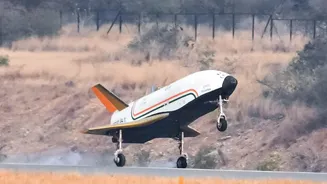
ISRO's technology demonstrator for this ambitious program is a winged vehicle named 'Pushpak'. In a series of three critical Landing Experiments (LEX), Pushpak has proven its ability to perform a precise, autonomous landing on a runway. In the most recent test, RLV-LEX-03, Pushpak was carried to an altitude of 4.5 km by an Indian Air Force Chinook helicopter and released under challenging conditions, including strong crosswinds. The vehicle then autonomously navigated its way to the runway, corrected its trajectory, and executed a flawless high-speed landing at over 320 kmph. This successful trio of tests validates ISRO's expertise in the critical technologies needed for a vehicle returning from space.
Upping the Difficulty
The success of the RLV program lies in its iterative approach to testing. The first landing experiment (LEX-01) in April 2023 was a landmark moment, marking the first time a winged body was carried by helicopter and released for an autonomous landing. The second test (LEX-02) re-validated these systems and, importantly, reused the same winged body from the first flight, proving the robustness of the hardware. The final test, LEX-03, was deliberately made more difficult. The vehicle was released 500 meters away from the runway's centerline, compared to 150 meters in the previous test, forcing it to perform more complex manoeuvres to align itself for landing under more severe wind conditions. Successfully overcoming these challenges has given ISRO immense confidence in its autonomous guidance and control systems.
The Billion-Rupee Question: Cost Savings
The primary driver behind the RLV program is economics. By reusing the most valuable parts of a launch vehicle, ISRO aims to drastically reduce the cost of putting a satellite into orbit. Some estimates suggest that fully reusable systems could bring down launch costs by as much as 80 percent. This would not only make ISRO's commercial launch services, handled by its arm NSIL, far more competitive on the global stage but also free up resources for more ambitious national projects. Cheaper access to space enables more frequent launches for communication, Earth observation, and navigation satellites, directly benefiting the country's infrastructure and citizens. It also makes deep-space missions and projects like the Gaganyaan human spaceflight program and the future Bharatiya Antariksh Station more economically sustainable.
What's Next on the Launchpad?
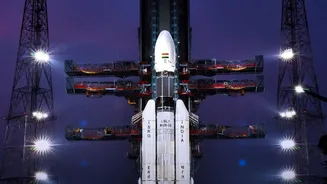
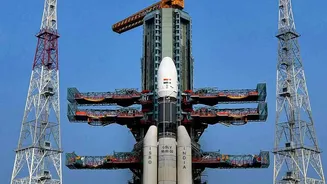
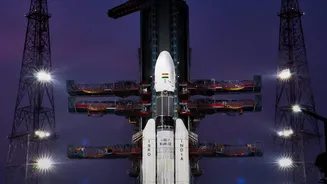
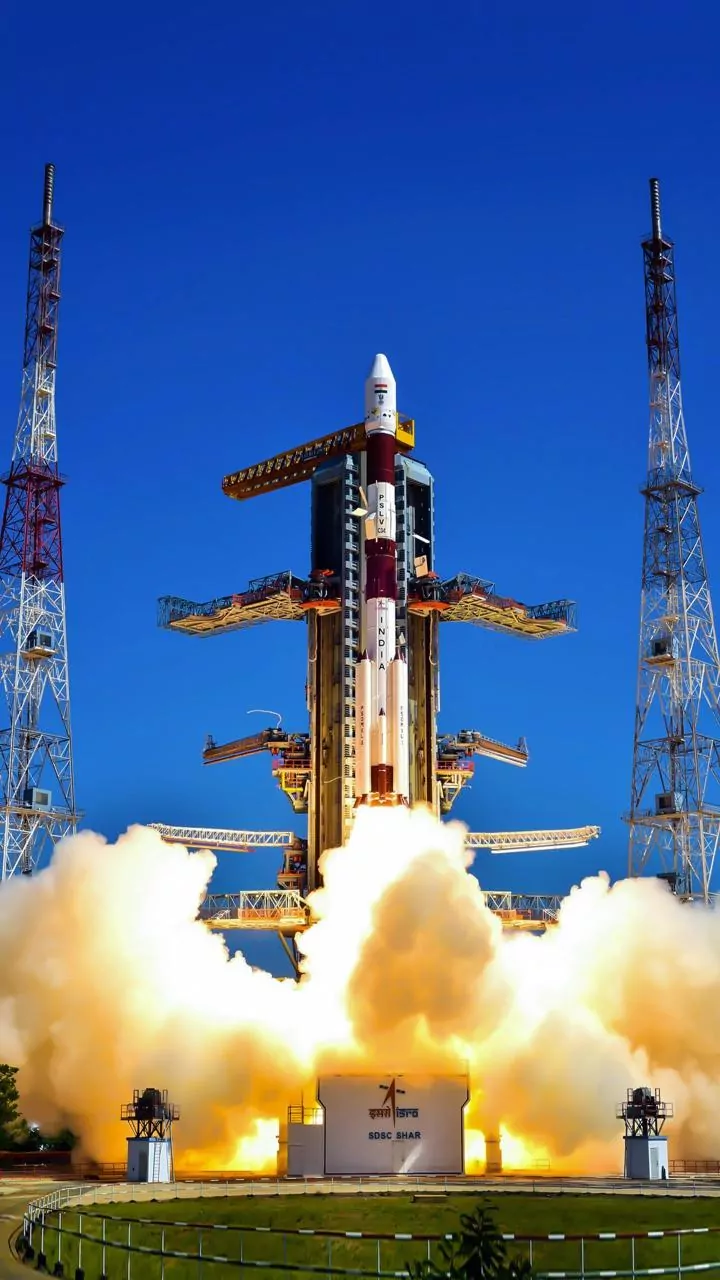
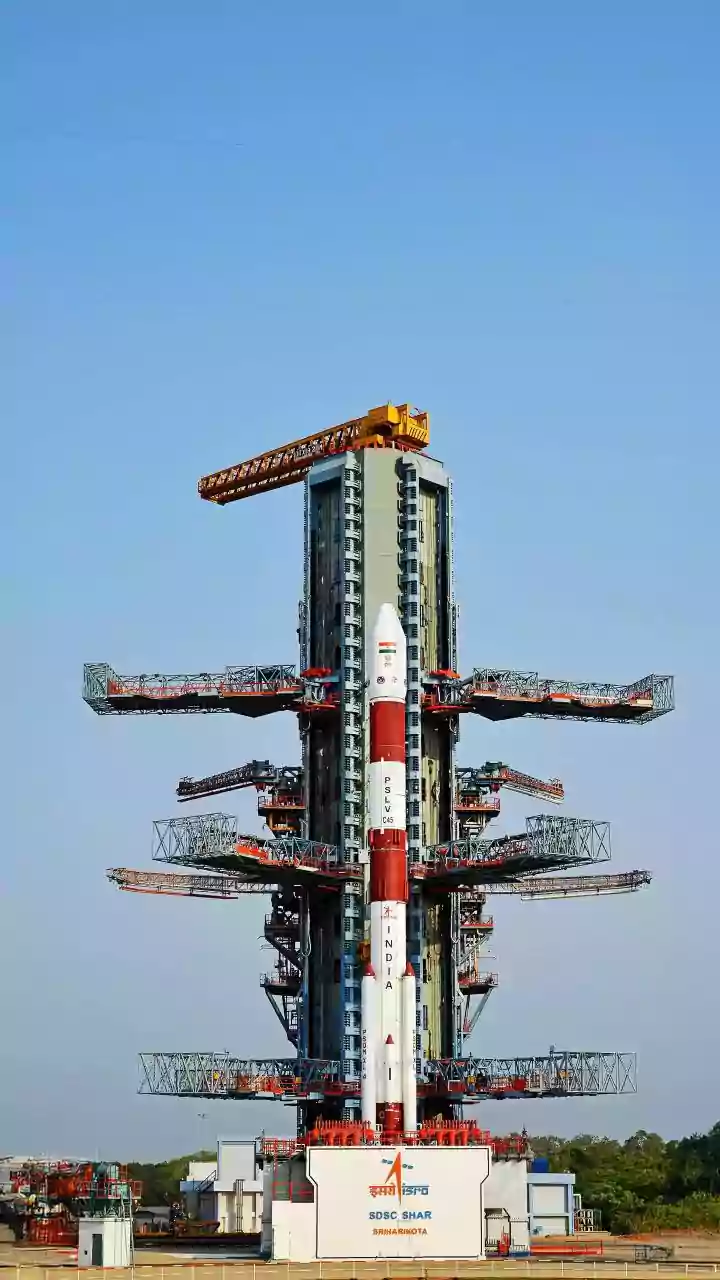
With the crucial landing phase now successfully demonstrated, ISRO is setting its sights on the next major milestone: the Orbital Re-entry Experiment (ORE). This will involve a vehicle, scaled up from the Pushpak demonstrator, being launched into orbit by a conventional rocket, likely derived from GSLV or PSLV technology. After spending time in orbit, this Orbital Re-entry Vehicle (ORV) will de-orbit, re-enter Earth's atmosphere, and perform an autonomous runway landing, just as Pushpak has done in the LEX tests. The ORE will be the ultimate test of the entire system, from thermal protection during re-entry to the final touchdown. This is a crucial step towards realising a Two-Stage-to-Orbit (TSTO) fully reusable launch vehicle, which remains ISRO's long-term goal.