

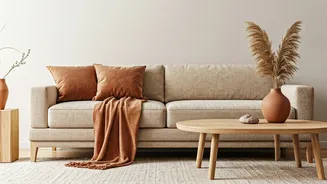


The Downsizing of the Drawing Room
For decades, the centrepiece of any Indian drawing room or lounge was a large, often immovable, sofa set. It was a symbol of stability, a designated spot for formal entertaining and family TV time. But as our homes get smarter and our lifestyles more
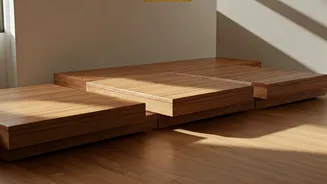
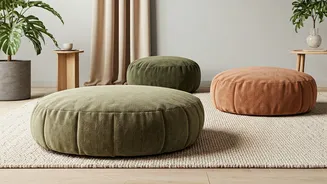
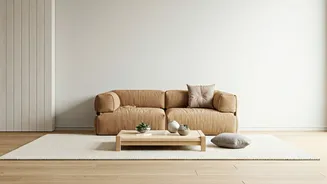
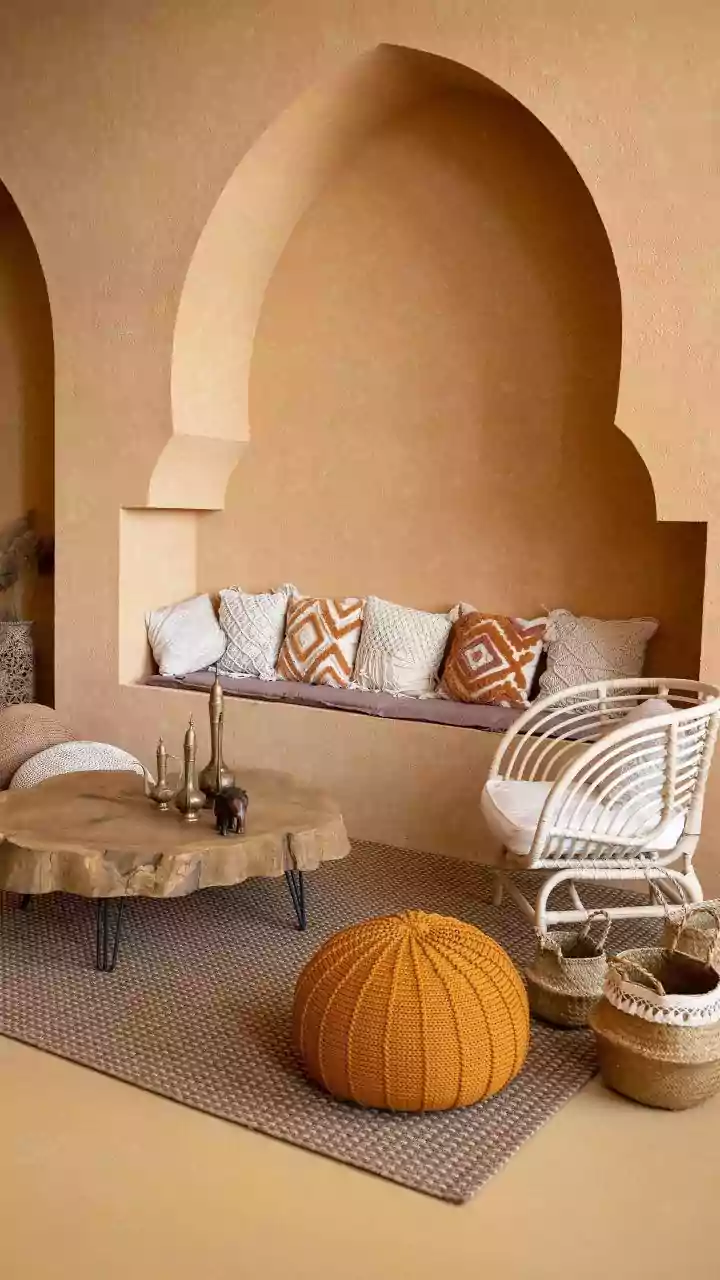
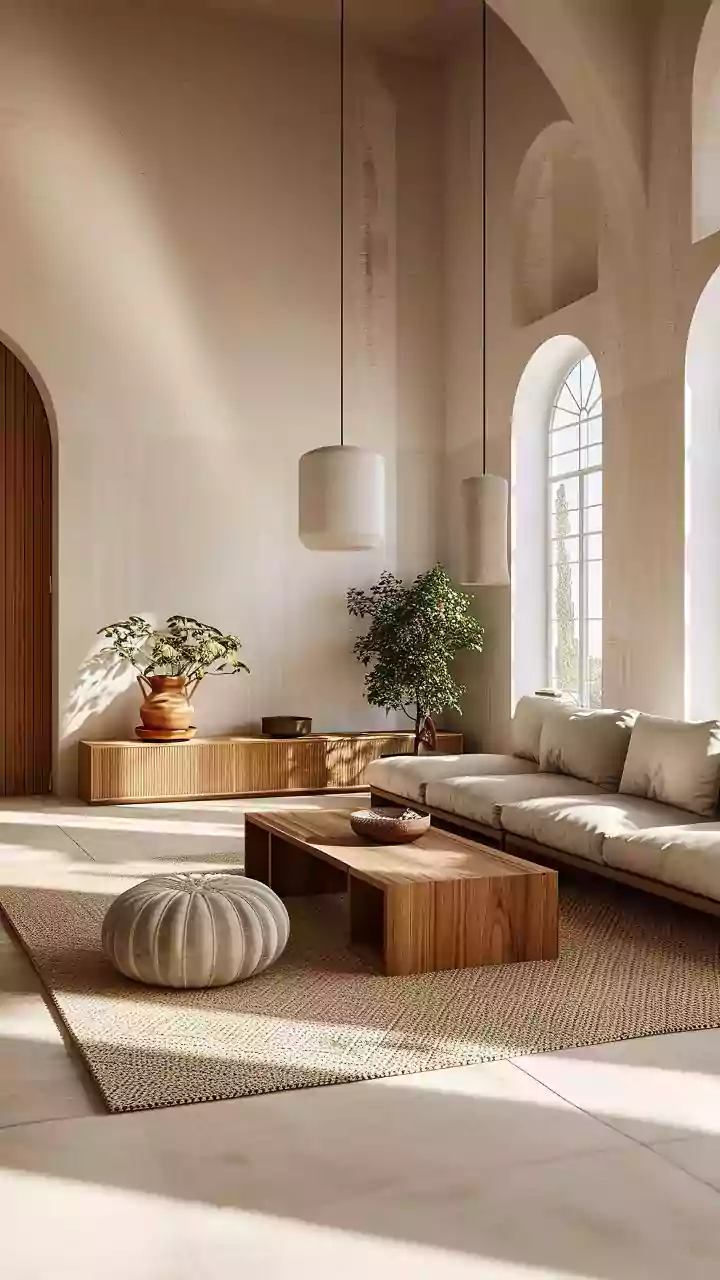
fluid, this furniture behemoth is starting to look less like a comfort and more like a constraint. Enter the floor seating array: a curated collection of low-slung seating options like oversized floor cushions, pouffes, ottomans, low-backed modular pieces, and plush rugs. This isn’t about throwing a few beanbags on the floor; it's a deliberate design choice that prioritises versatility, intimacy, and a clean, modern aesthetic.
Why We're Getting Low
This shift isn’t just about aesthetics; it’s a response to real-life needs. Firstly, there’s the question of space. In compact city apartments, a massive sofa can devour precious square footage. A modular floor seating arrangement can be reconfigured in minutes—pushed together for a movie night, spread out for a party, or cleared away completely for a yoga session. It transforms a static room into a dynamic, multi-purpose space.
Secondly, it fosters a different kind of social interaction. High-backed sofas can create barriers, but sitting at a lower level encourages a more relaxed, communal, and intimate atmosphere. It breaks down formality, inviting guests to lounge, lean, and connect in a way that traditional seating often discourages. This casual, bohemian vibe aligns perfectly with a modern approach to hosting that values comfort over ceremony.
A Global Tradition, Reimagined
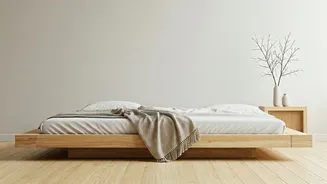
While it may feel like a cutting-edge trend, the concept of floor seating is deeply rooted in cultural traditions around the world. It echoes the minimalist elegance of Japanese homes, with their tatami mats and zaisu floor chairs, promoting mindfulness and a connection to the earth. It also channels the warmth and hospitality of a Middle Eastern majlis, where cushions and rugs create a welcoming space for conversation and community.
In the Indian context, sitting on the floor for meals, prayers, or social gatherings is a familiar, age-old practice. This modern trend simply elevates that tradition with a contemporary design language. By incorporating rich textiles, sophisticated colours, and high-quality materials, designers are making floor seating a luxurious and aspirational choice, not just a practical one.
How to Make Floor Seating Work for You
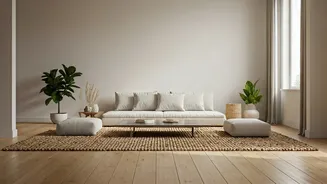
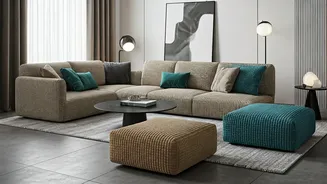
Ready to embrace the low life? Start with a great foundation. A large, soft rug is non-negotiable—it defines the space and provides the first layer of comfort. Then, think in layers. Combine different shapes and sizes: large, firm floor cushions for primary seating, smaller pouffes that can double as footrests or side tables, and a few plush throw pillows for back support.
Material is key. Opt for durable, high-quality fabrics like velvet, boucle, or a sturdy cotton-linen blend that feel good against the skin and can withstand use. A low-slung coffee table is the perfect centrepiece, ensuring drinks and snacks are within easy reach. To avoid a flat, one-dimensional look, play with textures and heights. Mix in a low-profile armchair or a single modular sofa piece to anchor the space and provide an option for guests who may be less comfortable sitting on the floor for long periods.
Is It for Everyone?
While chic and versatile, a full-on floor-seating lounge isn't a one-size-fits-all solution. It's crucial to consider accessibility and comfort, especially for older family members or individuals with mobility challenges. A hybrid approach often works best. You can create a cozy floor seating nook in one corner of your living room while retaining a conventional sofa. This allows you to enjoy the benefits of both worlds—the relaxed vibe of floor lounging and the ergonomic support of traditional seating. The beauty of this trend lies in its flexibility, so feel free to adapt it to fit your unique lifestyle and needs.