



The Orionids’ Famous Origin
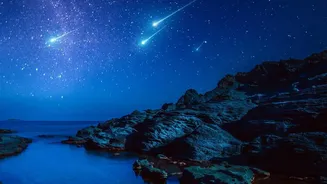
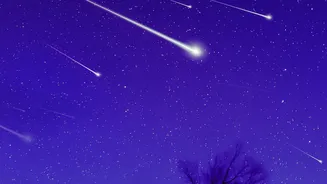
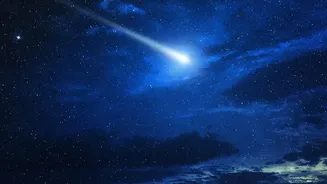
The Orionid meteor shower is one of the most beautiful of the year, known for its fast, bright meteors that can leave glowing trails. These shooting stars are actually tiny pieces of debris left behind by one of the most famous celestial objects: Halley's
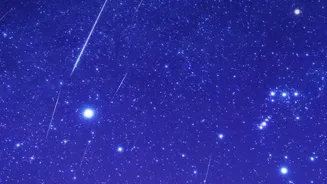
Comet. Each October, Earth passes through this stream of cosmic dust. As the particles, some no bigger than a grain of sand, hit our atmosphere at high speed, they burn up and create the stunning streaks of light we call meteors. The shower gets its name because the meteors appear to radiate from a point in the constellation Orion, but they can be seen across the entire night sky.
Mark Your Calendar for October 2026
The Orionid shower is active from early October to early November, but the best time to watch is during its peak. For 2026, the peak nights are expected to be October 21-22. The prime viewing window is in the hours after midnight and before dawn. This year, there will be a bright moon in the sky for part of the night. However, it is predicted to set around 3 a.m. local time, leaving a window of dark skies until dawn, which is perfect for meteor watching. Plan for about 15 to 25 meteors per hour in a dark-sky location, though fewer will be visible from a city.
Your Most Important Tool: Your Eyes
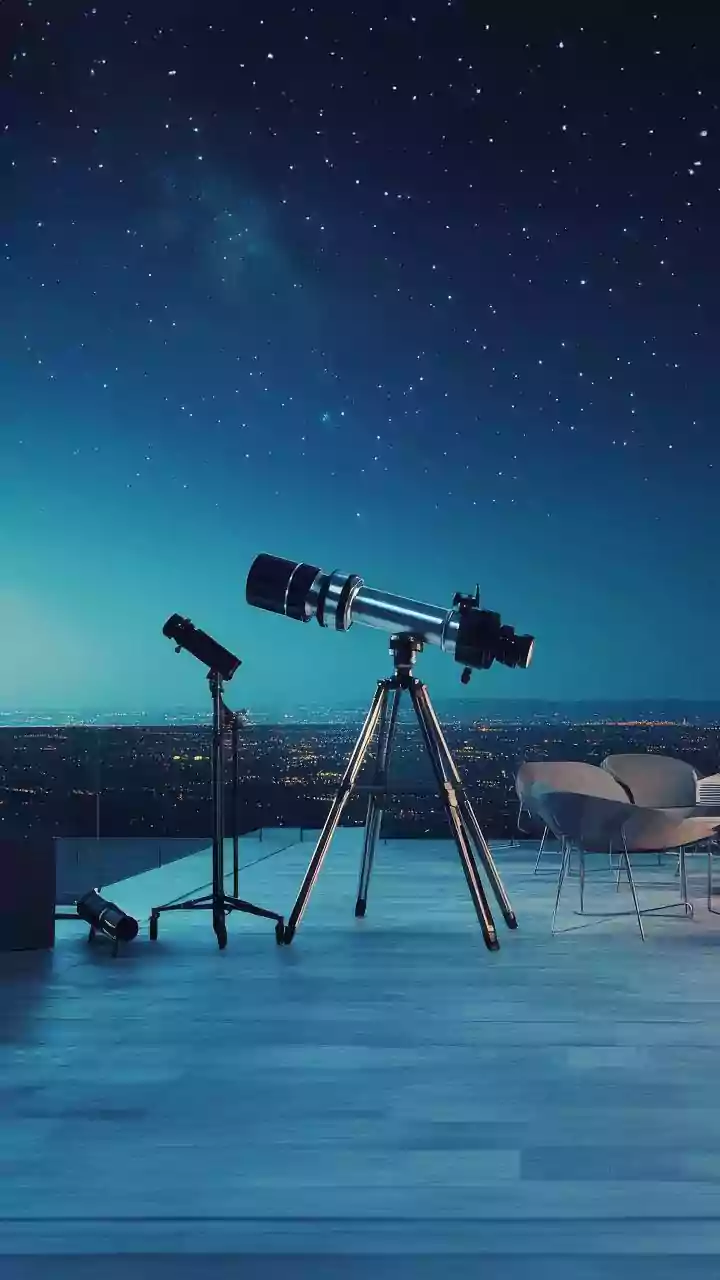
The great news for aspiring stargazers is that you don’t need a telescope or even binoculars to enjoy a meteor shower. In fact, they can limit your field of view. Your unaided eyes are the best tools for the job because they allow you to take in a wide expanse of the sky. The key is not technology, but technique. The single most important factor for seeing faint meteors, especially in a city, is allowing your eyes to fully adapt to the darkness. This process, called dark adaptation, can make the difference between seeing a few meteors and seeing none at all.
Mastering the Art of Dark Adaptation
Dark adaptation is your secret weapon against light pollution. It takes about 20 to 40 minutes for your eyes to become fully sensitive to low light. During this time, the photoreceptor cells in your retinas build up light-sensitive pigments. To do it right, you must avoid all sources of bright, white light. This means putting your phone away. The bright screen can instantly ruin your night vision, forcing you to start the adaptation process all over again. If you absolutely need a light source, use a dim red light, as red light has the least impact on your night vision.
Tips for Urban Stargazers
Watching from a city presents the obvious challenge of light pollution, but don't be discouraged. First, find the darkest spot you can safely access. A rooftop, a balcony, or a park with an open view of the sky that's shielded from direct streetlights is ideal. The higher you are, the better, as it can help you get above some of the immediate ground-level glare. Once you've found your spot, get comfortable. Lie back on a blanket or a reclining chair so you can look straight up without straining your neck. Give your eyes even more time to adjust than the standard 20 minutes; in the city, every bit of adaptation helps.
How to Watch the Show
Once you’re settled and your eyes are dark-adapted, the only thing left to do is look up and be patient. Don't focus on the radiant point in Orion. Instead, look at a wide patch of dark sky about 45 to 90 degrees away from the constellation. Meteors seen farther from the radiant have longer, more spectacular trails. They can appear anywhere, so a broad view is best. Remember that meteor watching is a game of patience. You might see a few in quick succession, then nothing for several minutes. Just relax, enjoy the quiet of the late night, and wait for the flashes of light from Halley's Comet.