



The Case for a Morning Flow
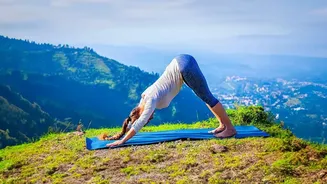
Starting your day with yoga can be a powerful way to set a positive and energetic tone. A morning practice can help awaken both your body and mind, shaking off any lingering grogginess. Sequences like Sun Salutations (Surya Namaskar) are designed to stimulate
circulation, activate muscles, and promote alertness. This can translate into improved mental clarity and focus throughout the day, helping you tackle tasks with a sharper mind. Furthermore, moving your body in the morning helps to kickstart your metabolism and can aid digestion. Studies suggest that aligning your practice with the body's natural circadian rhythms can enhance its benefits, and morning exercise has been linked to better mood and cognitive function. For many, a morning routine is also easier to maintain. With fewer distractions and unexpected commitments, scheduling yoga first thing ensures it doesn't get pushed aside by the day's events.
The Power of an Evening Practice
For those looking to decompress after a long day, an evening yoga session can be the perfect antidote to stress. An evening practice serves as a buffer between your busy day and bedtime, helping to release the physical and mental tension you've accumulated. Gentle, restorative yoga can activate the body's parasympathetic nervous system—our "rest and digest" mode—which helps lower cortisol levels, the primary stress hormone. This shift is crucial for preparing the body for sleep. Many studies have shown that regular yoga practice improves both the quality and duration of sleep, making it a valuable tool for those with restlessness or insomnia. Your muscles are also generally warmer and more pliable in the evening, which can allow for deeper stretches and improved flexibility. It’s an opportunity to work out the kinks from sitting at a desk or being on your feet all day, helping you to feel more comfortable and relaxed.
Matching Your Style to the Time
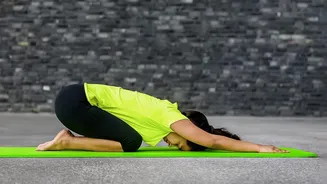
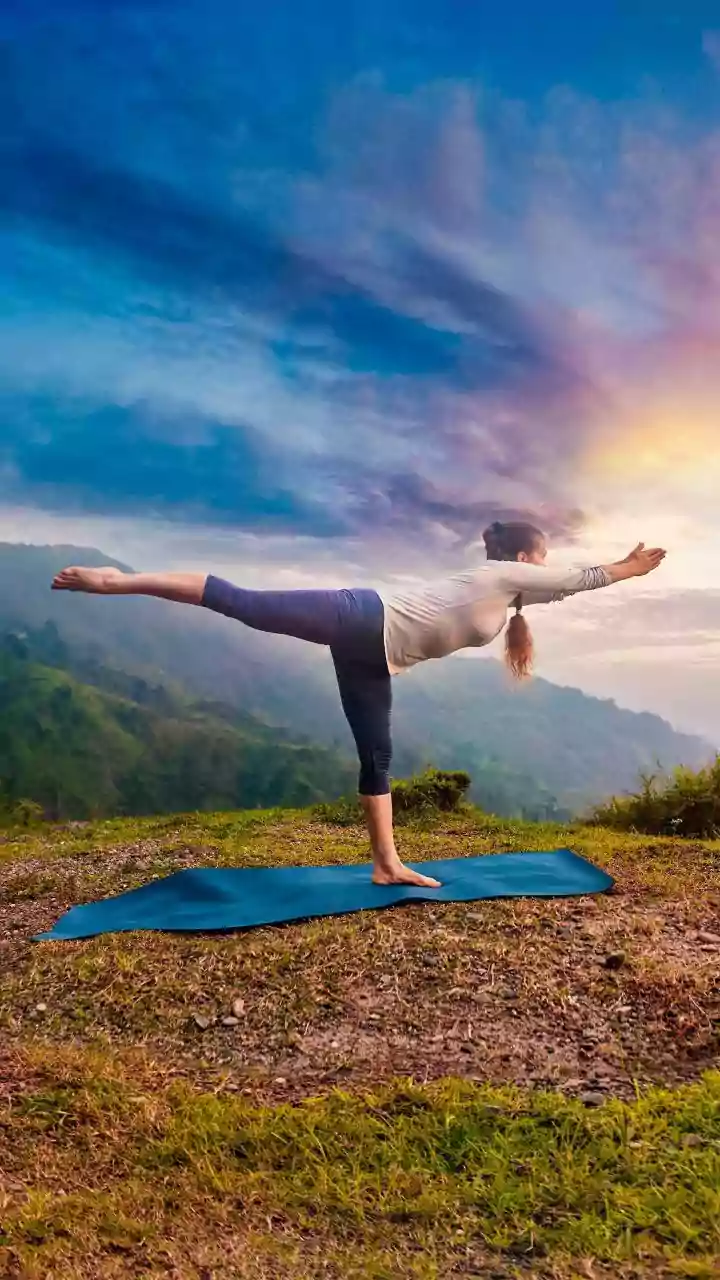
The type of yoga you choose should align with the time of day. For a morning session, opt for more active and energizing styles. Vinyasa flows, which link breath to movement, and classic sequences like Sun Salutations are ideal for building heat and waking up the body. Poses like Mountain Pose, Cat-Cow, and Warrior II can help ground you while creating energy. In contrast, evening yoga should focus on calming and restorative practices. Yin Yoga, which involves holding passive poses for longer periods, is excellent for targeting deep connective tissues and promoting stillness. Restorative Yoga, which uses props like bolsters and blankets for complete support, allows your body to fully relax and let go. Gentle poses such as Child's Pose (Balasana), Legs-Up-The-Wall (Viparita Karani), and Seated Forward Bends are perfect for an evening unwind.
So, Which Is Better?
Ultimately, there is no single “best” time to practice yoga. The ideal time is the one that you can consistently commit to. Consider your personal goals. If you want an energy boost, a structured routine, and enhanced focus, a morning practice might be your answer. If your primary aim is stress relief, improved sleep, and greater flexibility after a long day, an evening session is likely a better fit. Don't be afraid to experiment. You could try practicing in the morning for a week, then switch to evenings for a week to see how your body and mind respond. Some people even find a hybrid approach works best: a short, energizing flow in the morning and a few gentle stretches before bed to release the day. The most important thing is listening to your body and choosing what feels right for your unique needs and schedule.