


From Sightseeing to Self-Care
A vacation once meant a packed itinerary of historical sites and bustling city tours. Today, it’s increasingly about slowing down and tuning in. The modern traveller is often looking to escape the pressures of an always-on digital life, seeking holidays
that actively improve mental and physical wellbeing. This has led to a surge in demand for trips centered around health, with travellers specifically asking, 'Can I come back healthier than when I left?'. Instead of being an afterthought, wellness is now the main event, with activities like yoga retreats, digital detoxes, and preventive health check-ups becoming the primary reason to travel. According to market reports, the Indian wellness tourism market is experiencing robust growth, with some projections showing it could reach over USD 61 billion by 2034.
Ancient Roots, Modern Appeal
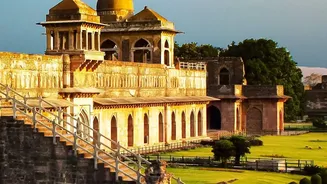
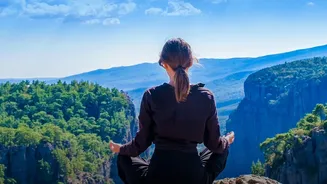
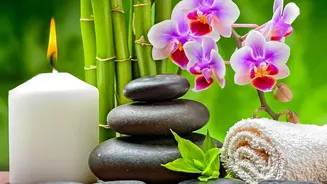
India is uniquely positioned to lead this trend, thanks to its deep-rooted traditions of holistic healing. Ayurveda, yoga, and meditation are not recent fads but ancient systems of knowledge that form the bedrock of the country's wellness offerings. What’s new is how these timeless practices are being packaged for a modern audience. Travellers can now experience authentic Ayurvedic treatments in a 200-year-old palace, practice yoga in the serene Himalayan foothills, or learn about Sattvic nutrition at a luxury coastal resort. This blend of authenticity and comfort allows people to engage with traditional healing without sacrificing the relaxation of a holiday, making India a global leader in the wellness space.
The Key Drivers of Growth
Several factors are powering this wellness wave. A primary driver is a growing consciousness around health and preventative care, especially in the wake of the pandemic. People are more proactive about managing stress and lifestyle-related issues. The Indian government has also played a crucial role, launching initiatives like 'Heal in India' to promote the country as a premier destination for medical and wellness travel. New visa categories, such as the e-AYUSH visa, make it easier for international visitors to travel for traditional treatments. This official support, combined with India's reputation for high-quality care at a comparatively lower cost, has boosted both domestic and international interest.
India’s Wellness Hotspots
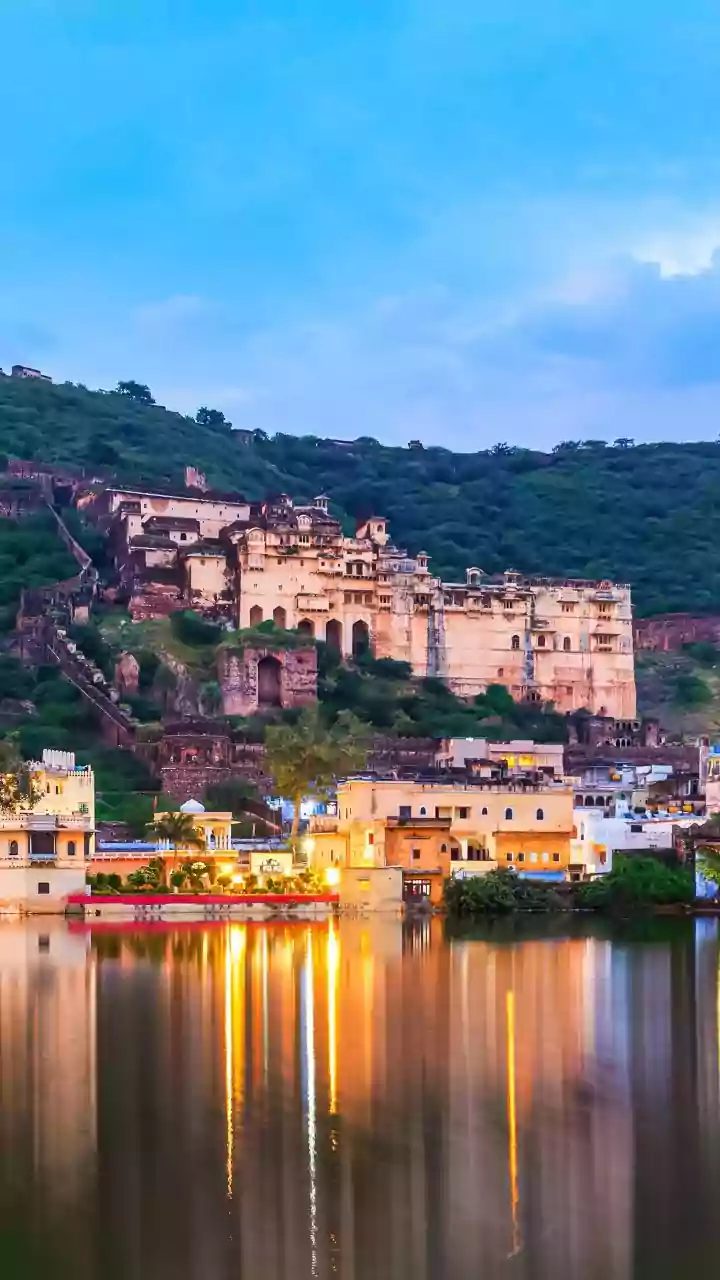
While wellness experiences can be found across the country, a few regions have emerged as definitive hotspots. Kerala, often called the 'cradle of Ayurveda', remains the epicentre for traditional treatments like Panchakarma, set against a backdrop of lush backwaters. In the north, the Himalayan towns of Rishikesh and Dharamshala in Uttarakhand and Himachal Pradesh are magnets for yoga and meditation enthusiasts, earning Rishikesh the title of 'Yoga Capital of the World'. Meanwhile, states like Goa and Karnataka are blending beach holidays with wellness, offering luxury retreats that combine yoga, spa therapies, and organic cuisine. Even Rajasthan is transforming its heritage palaces into regal wellness destinations.
The Future of Wellness Travel
The trend is not just growing; it's evolving. The future of wellness travel in India points towards deeper specialisation and personalisation. We are seeing a rise in retreats focused on specific goals like improving sleep, digital detoxing, or managing burnout. In fact, digital-detox escapes are projected to be one of the fastest-growing segments. There's also a growing interest in combining wellness with other travel forms, such as adventure or eco-tourism. From luxury resorts like Ananda in the Himalayas to serious, transformation-focused ashrams like Kalari Kovilakom, the offerings are becoming more diverse to cater to every type of wellness seeker. As travellers increasingly prioritise health, India’s ancient wisdom is proving to be a timeless and invaluable asset in the modern world.