


The Two Types of Dietary Iron
Iron is a crucial mineral that helps transport oxygen in our blood and gives us energy. It comes in two forms: heme and non-heme. Heme iron, found in animal products like meat, poultry, and fish, is easily absorbed by the body. On the other hand, non-heme iron, which
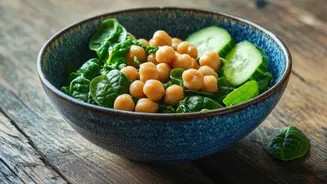
comes from plant sources like lentils, chickpeas, beans, spinach, and fortified foods, is harder for our bodies to absorb. This is because plant foods contain compounds like phytates and oxalates that can bind to iron and hinder its absorption. This is why simply eating an iron-rich vegetarian meal doesn't guarantee you're getting all the benefits.
Vitamin C: The Key to Unlocking Plant Iron
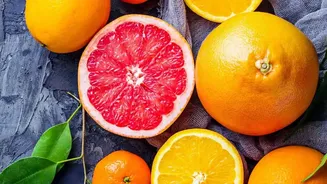
This is where citrus fruits come to the rescue. Citrus is packed with ascorbic acid, better known as Vitamin C. When consumed in the same meal as non-heme iron, Vitamin C works as a powerful enhancer for iron absorption. It acts as a catalyst, converting the plant-based iron (ferric Fe3+) into a form (ferrous Fe2+) that is much easier for your intestines to take up. Studies have shown that Vitamin C can increase iron absorption several-fold, effectively overcoming the inhibitory effects of compounds like phytates. Just 50-100mg of Vitamin C in a meal—the amount in about half a bell pepper or a small orange—can significantly boost the amount of iron your body gets.
Delicious Pairings for Your Indian Kitchen
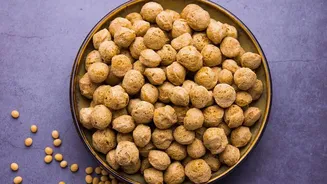
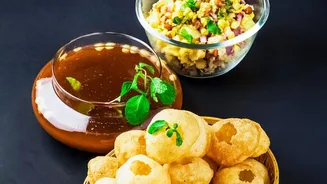
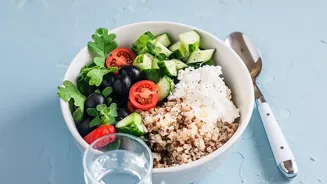
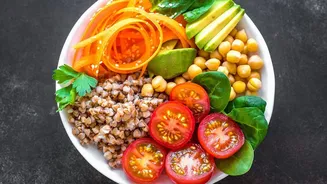
Incorporating this nutritional wisdom into your daily meals is simple and delicious, especially with Indian cuisine. Many traditional practices already use this principle. Think about the simple act of squeezing a wedge of lemon over a bowl of dal or sabzi. This small addition transforms your meal into a nutritional powerhouse. Try a chana masala or rajma curry cooked with a rich tomato base, as tomatoes are also a great source of Vitamin C. A spinach salad becomes more beneficial with a zesty orange or lemon vinaigrette. You can also pair tofu or soy chunks with colourful bell peppers in a stir-fry to maximize iron uptake. Other great combinations include a quinoa and chickpea salad with a citrus dressing or having a side of amla with your meal.
Beyond Citrus: Other Ways to Boost Absorption
While citrus fruits like lemons, oranges, and limes are excellent choices, they aren't the only way to get your Vitamin C. Many other common vegetables and fruits are rich in this essential nutrient. Bell peppers (especially red and yellow), broccoli, strawberries, kiwi, and guava are all fantastic sources. The key is to include one of these Vitamin C-rich foods in the same meal as your plant-based iron source. On the flip side, it's also helpful to be mindful of what can block iron absorption. Tannins found in tea and coffee are significant inhibitors. To get the most from your iron-rich meals, it's best to enjoy your cup of chai or coffee at least an hour before or after you eat.