



A Return to Roots
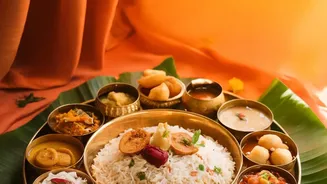
Across urban India, a quiet revolution is unfolding on dining tables. Instead of paper or plastic, hosts are laying out fresh, green banana leaves. This isn't just about aesthetics; it's a revival of a centuries-old tradition that is finding new relevance
with a generation keen on sustainability. At these gatherings, you're more likely to find meals served in earthen pots and drinks in clay cups than in modern chinaware. The practice, deeply rooted in South Indian culture but seen across the country, transforms a simple meal into a sensory experience. The banana leaf itself is more than just a plate; it's a symbol of purity and hospitality in many Indian traditions, often used in festivals and ceremonies. It’s a powerful statement against the throwaway culture that has dominated social events for decades.
The Millennial and Gen Z Influence
So, who is driving this change? Millennials and Gen Z, a demographic globally recognised for their heightened environmental awareness. For these young hosts, sustainability isn't a buzzword but a core value that shapes their choices, from fashion to food. The decision to use banana leaves is a conscious rejection of single-use plastics that clog landfills and pollute oceans. But the motivation goes beyond just being eco-friendly. There is a growing desire among young Indians to reconnect with their heritage. In a fast-paced, globalised world, embracing traditional practices like eating on a banana leaf is a way to feel grounded and celebrate a rich cultural identity that has been passed down through generations. It's a fusion of modern eco-consciousness and a deep appreciation for ancestral wisdom.
The Politics of the Plate
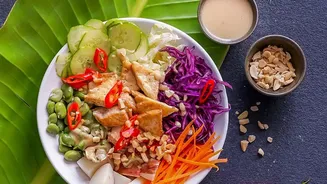
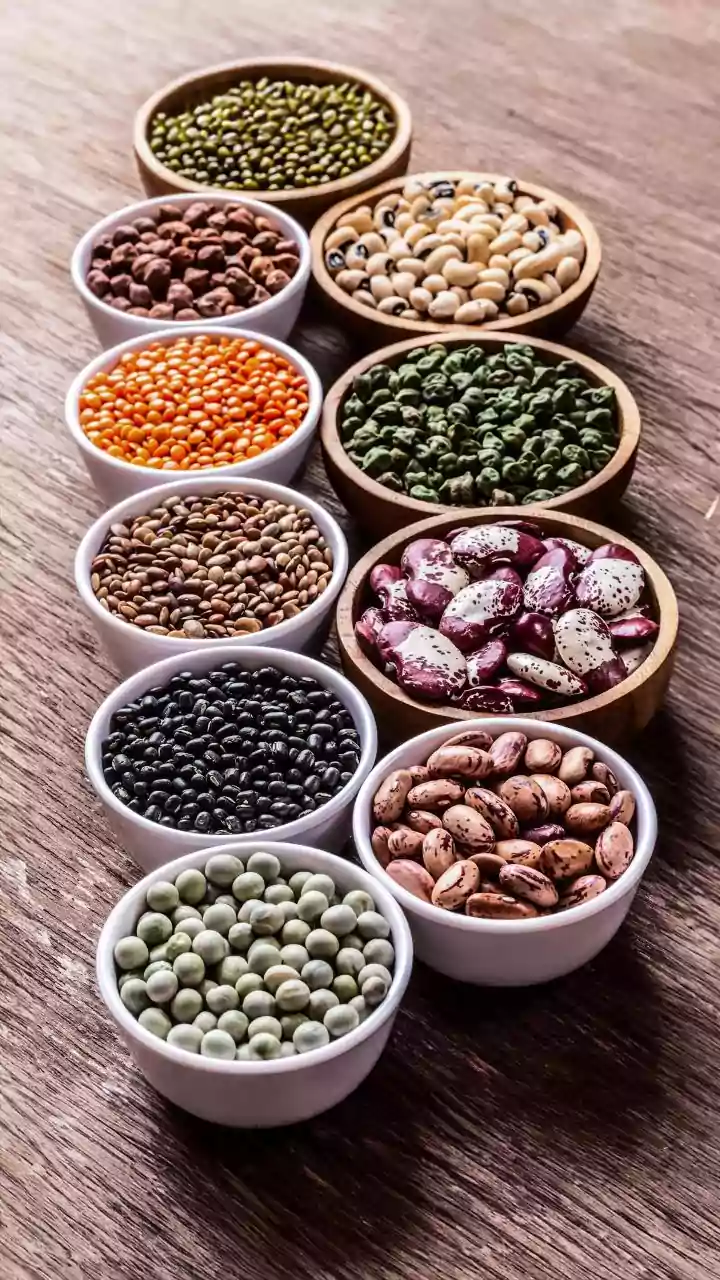
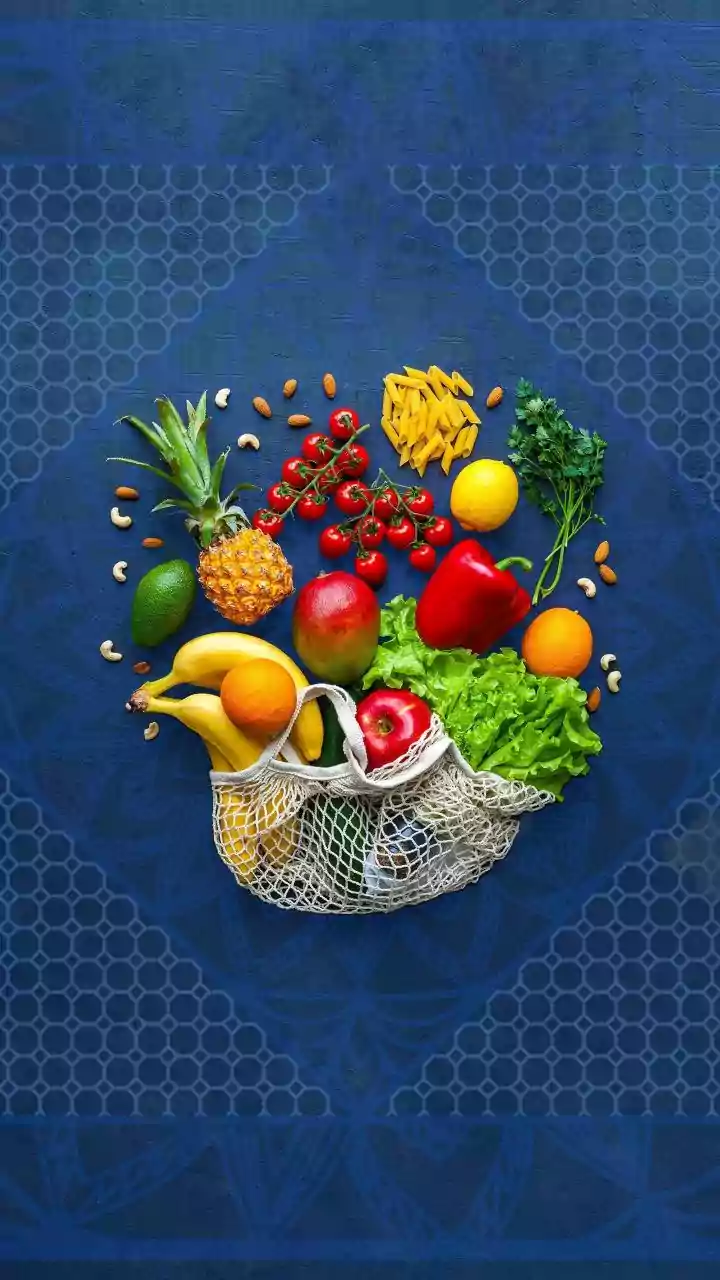
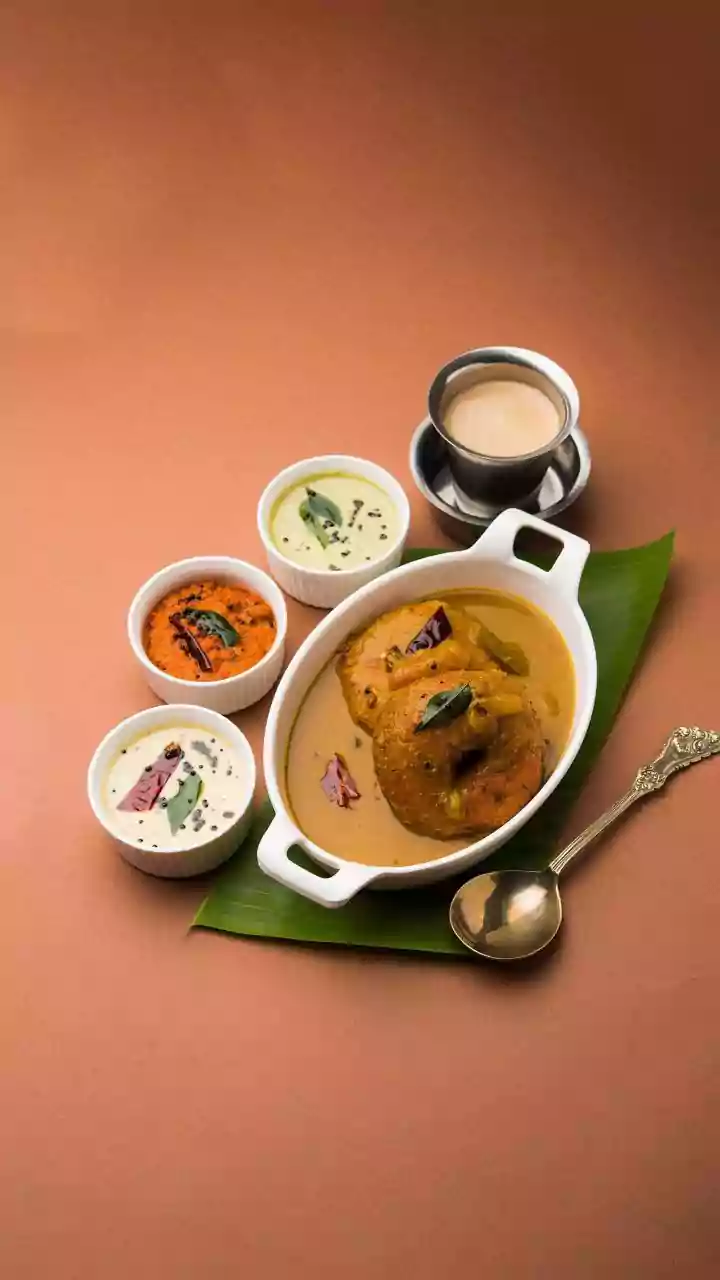
The eco-friendly ethos extends to what is served on the leaves. The second key element of these feasts is a focus on fresh, organic, and regionally sourced produce. Young hosts are increasingly championing a farm-to-table philosophy, building relationships with local farmers and choosing ingredients that are in season. This shift supports local economies and reduces the carbon footprint associated with transporting food over long distances. It's also a response to growing health consciousness, with a preference for clean, pesticide-free food. By curating menus around regional specialties and forgotten recipes, these hosts are not just serving a meal; they are telling a story about their land, its bounty, and its culinary history. This movement is reviving interest in traditional Indian foods considered healthier and more suitable for local climates.
More Than Just a Meal
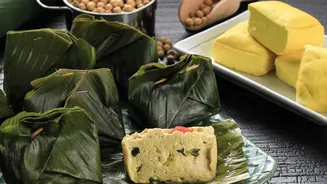
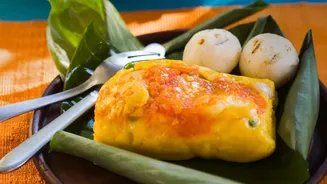
The benefits of this traditional practice are both practical and profound. Banana leaves are naturally waterproof and have a waxy coating that prevents food from sticking. When hot food is served on them, the leaves release polyphenols, natural antioxidants that are also found in green tea, which can infuse the food with subtle health benefits and a fresh, earthy aroma. This enhances the flavour of the dishes in a way that a ceramic or steel plate cannot. Furthermore, the entire experience encourages a more mindful approach to eating. The act of sitting together, often on the floor, and sharing a meal served on a communal natural canvas fosters a sense of connection and community, turning a simple dinner party into a more meaningful and memorable event.