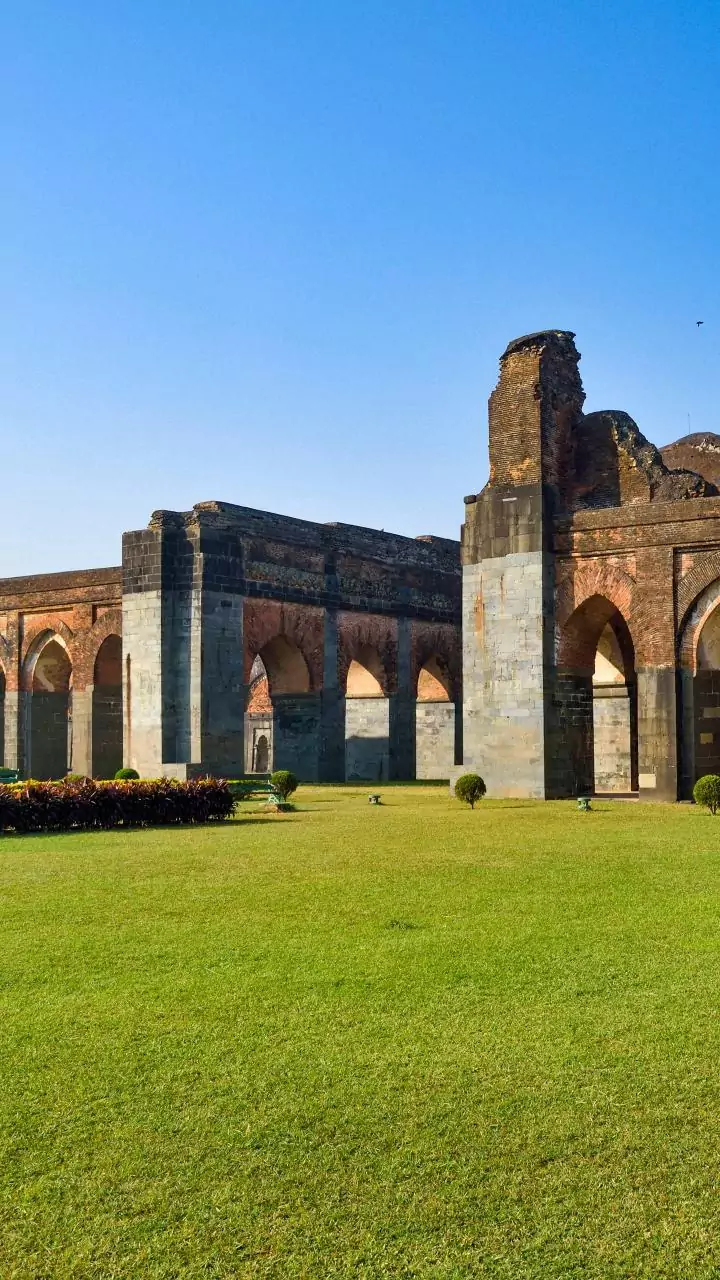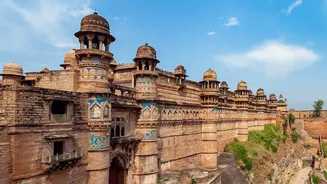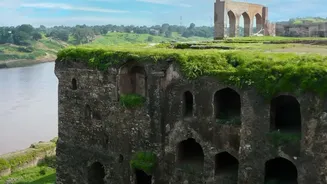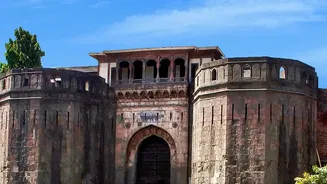



The Magic of a Monsoon Visit
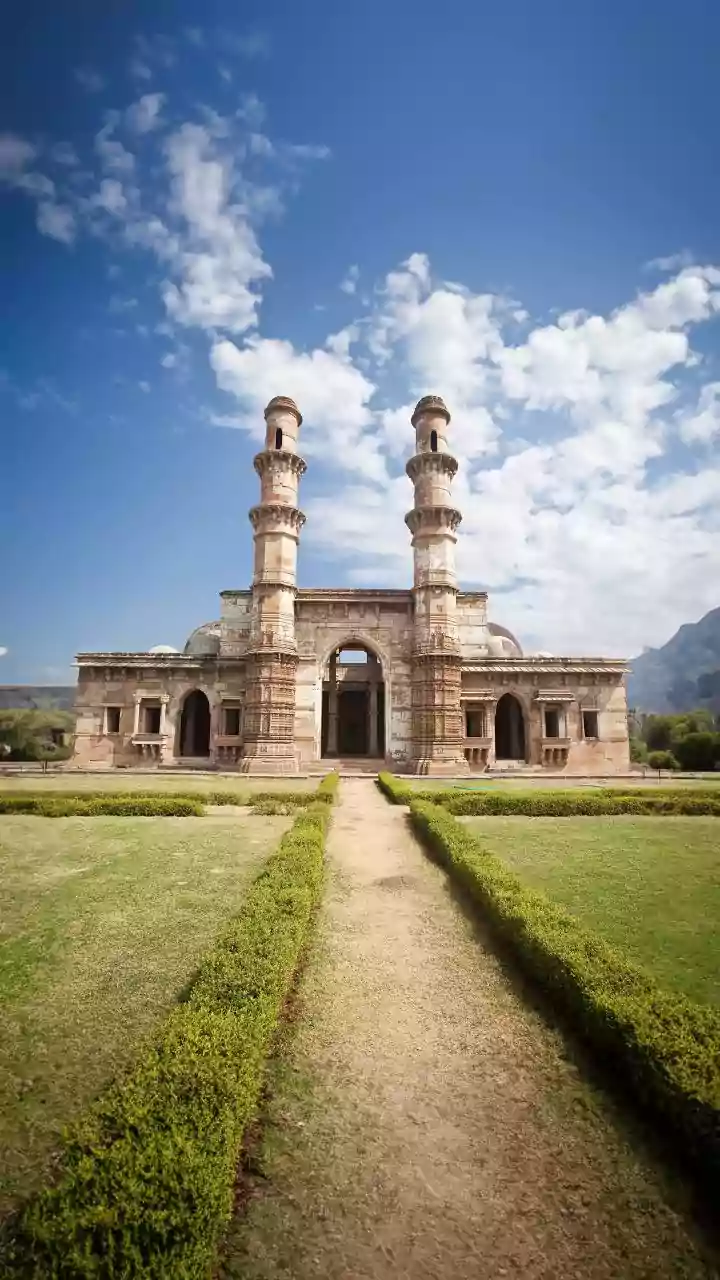
Mandu, the city of joy, truly earns its name during the monsoon months of July through September. The scorching summer heat gives way to a lush, green carpet that drapes the entire plateau. The ancient monuments, steeped in tales of love and legend, get
a fresh wash, reflecting magically in the numerous full-to-the-brim lakes and ponds. Mist rolls down the Vindhya hills, playing hide-and-seek with the magnificent domes and arches. It’s the perfect season for travellers seeking atmosphere and beauty without the peak season crowds, and hotel prices are often lower.
Getting There on a Budget
Mandu is highly accessible for a budget weekend trip, especially from Indore and Bhopal.
From Indore (approx. 95 km): The most economical way is by bus. Frequent buses ply from Sarwate and Gangwal bus stands in Indore towards Dhar. From Dhar, it's a short 35 km journey to Mandu, easily covered by local buses or shared jeeps. A direct bus from Indore to Mandu can cost as little as ₹100-₹150 and takes about 2.5 to 3 hours.
From Bhopal (approx. 285 km): The journey is longer but manageable. The most cost-effective route is to take a train to Indore and then follow the bus route mentioned above. Alternatively, direct buses from Bhopal to Indore are plentiful, and from there you can switch to a local bus for Mandu. A taxi is faster but significantly more expensive.
Must-See Monsoon Palaces
The heart of Mandu lies in its architectural marvels, which look particularly enchanting in the rain.
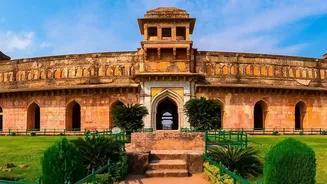
Jahaz Mahal (Ship Palace): Built between two artificial lakes, Kapur Talao and Munj Talao, this 120-metre-long palace truly looks like a majestic ship afloat on misty waters during the monsoon. It was built by Sultan Ghiyas-ud-din Khilji for his vast harem.
Rani Roopmati's Pavilion: This is the pinnacle of romantic architecture. Perched on a southern crest, it offers breathtaking, panoramic views of the Narmada river valley below, often shrouded in monsoon clouds. Legend says it was built for Queen Roopmati to gaze upon her beloved river.
Baz Bahadur's Palace: Located near the sacred Rewa Kund, this 16th-century palace is a blend of Rajasthani and Mughal styles. The rain fills its courtyards and pools, echoing the melodies of the ruler Baz Bahadur, who was a great patron of music.
Hindola Mahal (Swinging Palace): Known for its distinctive sloping side walls that give it the appearance of being in a state of swing, this was an audience hall. Walking through its massive arches during a downpour is an unforgettable experience.
Affordable Stays and Local Food
Mandu offers several budget-friendly accommodation options. Government-run hotels like Malwa Resort and Malwa Retreat offer reliable and affordable stays. Numerous private guesthouses and homestays near the main market or Sagar Talao also provide rooms for under ₹1500 per night, with rates often negotiable during the monsoon season.
For food, skip the fancy restaurants and dive into local Malwa cuisine. Start your day with Poha-Jalebi, a regional staple. For a hearty meal, try Dal Bafla or the unique Dal Paniya, a local delicacy made from maize flour. Small eateries and dhabas around the town centre offer delicious and incredibly cheap meals.
A Sample Weekend Itinerary
Day 1: Arrive from Indore/Bhopal by noon. Check into your hotel and have a simple local lunch. Spend the afternoon exploring the Royal Enclave, covering Jahaz Mahal and Hindola Mahal. Enjoy the evening by Sagar Talao.
Day 2: Start early to catch the misty morning views from Rani Roopmati's Pavilion. Explore the adjacent Baz Bahadur's Palace and Rewa Kund. After lunch, visit the grand Jami Masjid and Hoshang Shah's Tomb before catching your afternoon bus back.