




The Great Culinary Shift
The title of 'India's Food Capital' has long been a subject of fierce debate, almost always centered on the heavyweight contenders: Delhi, with its rich Mughal legacy and vibrant street food, and Mumbai, a melting pot of coastal flavours and cosmopolitan
trends. But a significant shift is underway. A new wave of culinary energy is rising not from the metros, but from India's Tier-II cities. According to industry reports, places like Indore, Lucknow, Jaipur, and Kochi are becoming the new hotspots for restaurant growth and food innovation. This isn't just about a few new openings; it's a fundamental change driven by economics, culture, and a generation of chefs and diners hungry for something different.
Indore: The Undisputed Street Food Champion
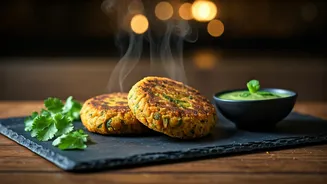
Many food writers argue that any honest conversation about India's best street food inevitably leads to Indore. The city offers a culinary philosophy built on unique vegetarian dishes and theatrical flair. Its food scene is anchored by two legendary hubs: Sarafa Bazaar, a jewellery market that transforms into a dazzling night food market, and Chappan Dukan (56 Shops), an organised stretch of eateries perfect for an all-day feast. Indore's cuisine is a story of creative fusion, from the iconic breakfast of Poha-Jalebi, a sweet and savoury combination that defines the city, to Bhutte ki Kees, a creamy corn delicacy. Don't miss the Khopra Patties (potato cutlets with a coconut filling) or the theatrical 'flying' Dahi Bada, where the fritter is tossed high in the air before being served.
Lucknow: Where Heritage Meets Modernity
Famed as the heart of Awadhi cuisine, Lucknow’s culinary story is steeped in the history of its Nawabs. The city's kitchens perfected the art of 'dum pukht' (slow cooking) and are renowned for melt-in-the-mouth kebabs like the legendary Galouti and Kakori. Recently, Lucknow’s rich gastronomic heritage was officially recognised, with UNESCO naming it a 'Creative City of Gastronomy'. While historic establishments like Tunday Kababi continue to serve recipes passed down through generations, a new wave of chefs is reinterpreting Awadhi cuisine for modern palates, ensuring its legacy continues to evolve.
Kochi: A Coastal Melting Pot
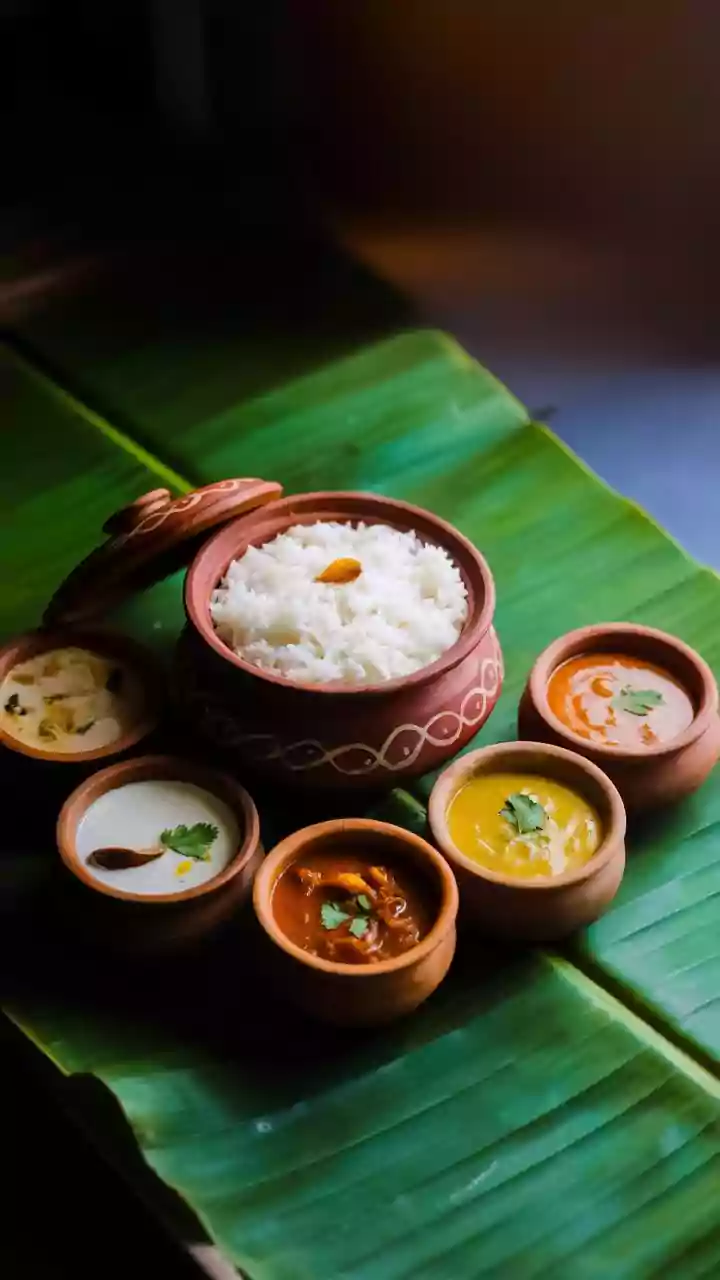
Kochi's food culture is a vibrant tapestry woven from centuries of spice trade and colonial influences. Portuguese, Dutch, Jewish, and Arab settlers all left their mark, merging with local Malabar traditions to create a uniquely diverse culinary landscape. The cuisine is defined by the abundant use of coconut, fresh seafood, and a complex blend of spices. Signature dishes include the Malabar fish curry simmered in clay pots, and Appam with stew, a beloved Syrian Christian breakfast. From traditional toddy-shop meals to contemporary art cafés, Kochi offers a journey through Kerala's most flavourful and historically layered kitchen.
What's Fuelling the Fire?
Several factors are driving this decentralisation of India's food scene. Economically, lower real estate and operational costs in Tier-II cities allow chefs and restaurateurs to experiment without the crushing financial pressure of a metro. Culturally, there's a renewed pride in regional ingredients and traditions. Chefs returning to their hometowns are finding eager audiences with sophisticated palates and disposable income. Furthermore, the rise of social media and food influencers has erased geographical boundaries, allowing a local café in Jaipur or a new restaurant in Coimbatore to gain national attention. This digital exposure, combined with rising incomes and a growing appetite for new experiences, has turned these cities into fertile ground for culinary growth.