




Why Visit Assam in the Monsoon?
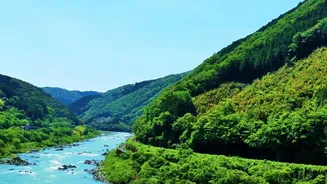
Visiting Assam between June and September is a study in green. The summer heat gives way to cooler temperatures, and the persistent rains breathe new life into the state. Waterfalls, often trickles in drier months, become powerful cascades. The famed
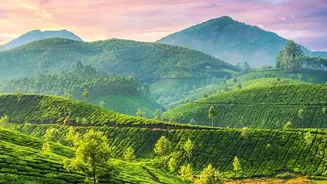
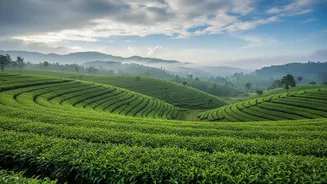
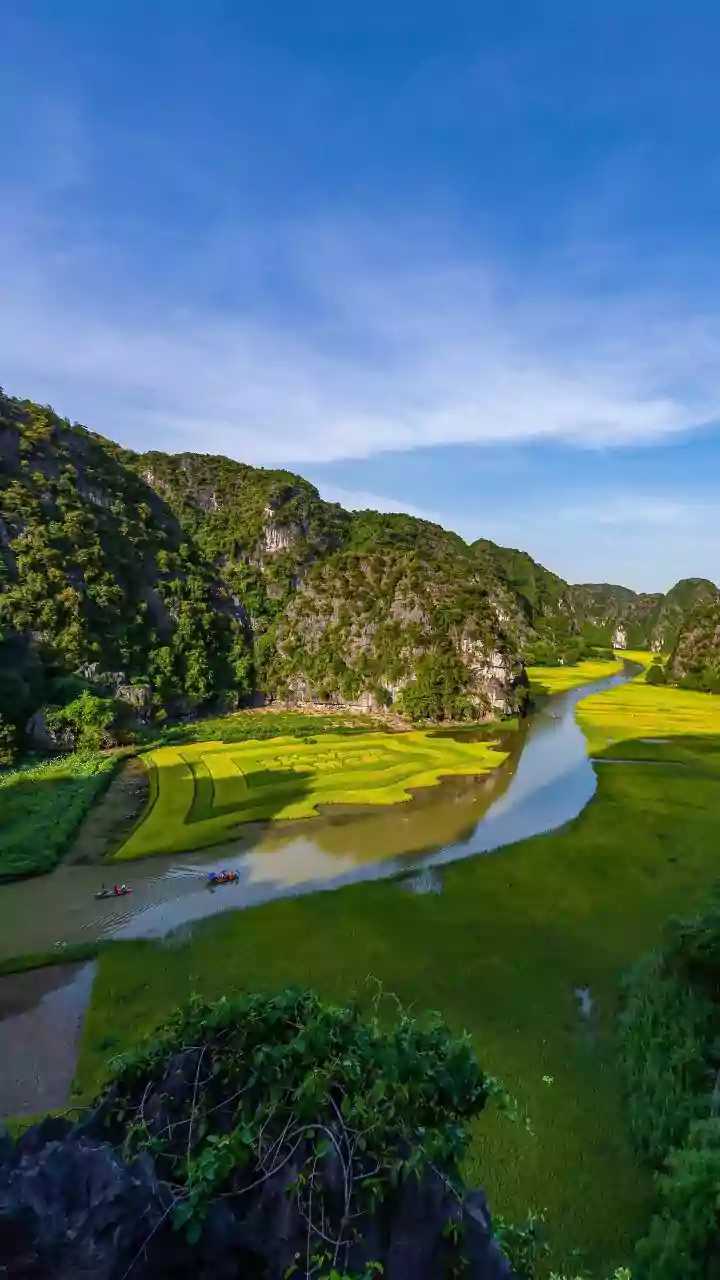
tea gardens turn a brilliant, lush green, their leaves glistening with raindrops. This season is a dream for photographers and nature lovers, as the landscape is swathed in mist, creating an ethereal, almost magical atmosphere. While popular spots like Kaziranga National Park are closed due to flooding, this opens up opportunities to explore lesser-known gems without the usual tourist crowds, offering a more intimate and peaceful experience. The rains also bring a cultural vibrancy, with festivals like the Ambubachi Mela at Kamakhya Temple taking place in June.
Haflong: The Misty Hill Station
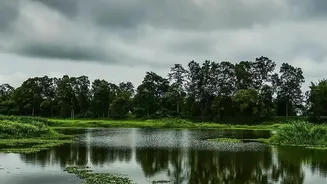
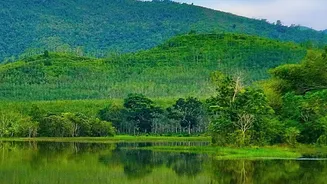
Known as the 'Switzerland of the East', Haflong is Assam’s only recognized hill station and truly comes alive during the monsoon. The hills are draped in a thick blanket of mist, and the clouds often play hide-and-seek with the valleys below. Haflong Lake, the heart of the town, mirrors the grey, dramatic skies, making it a perfect spot for a serene walk. The monsoon replenishes the region's waterfalls, like the stunning Panimoor Waterfalls, which become a spectacular sight. While the rains can make some roads challenging, the breathtaking views of the mist-covered landscape and the scent of rain-soaked earth offer a reward unlike any other for those who make the journey.
Majuli: The Ever-Green River Island
The world's largest river island, Majuli, offers a unique cultural and natural experience during the monsoon. While the Brahmaputra River swells, life on the island adapts, and the landscape turns into a verdant sanctuary. The rice paddies are a dazzling green, and the island’s Vaishnavite monasteries, or Satras, offer a peaceful and spiritual retreat from the rain. Getting around can be an adventure with muddy trails, but it’s part of the raw, authentic charm of visiting at this time. However, travellers should be aware that flooding can be a real risk, and ferry services from Jorhat can be unpredictable, so it's essential to check conditions before travelling.
Dibru-Saikhowa: A Wildlife Haven That Stays Open
While Assam's most famous national parks, Kaziranga and Manas, are closed during the monsoon, wildlife enthusiasts need not despair. Dibru-Saikhowa National Park, a biosphere reserve, remains accessible and offers a unique monsoon wildlife experience. This park is made up of wetlands and riverine forests, and the monsoon enhances its beauty. The best way to explore the park during this season is by boat safari, which allows for close observation of the rich biodiversity. It is a fantastic destination for birdwatchers, as the wetlands attract numerous species.
The Rain-Kissed Tea Gardens of Jorhat and Dibrugarh
A trip to Assam is incomplete without experiencing its tea culture, and the monsoon is arguably the best time to do so. The tea estates in and around Jorhat, the 'Tea Capital of Assam', and Dibrugarh are at their most picturesque, with endless stretches of vibrant green under dramatic monsoon skies. The rain rejuvenates the tea bushes, making the gardens come alive. Many estates offer tours where you can learn about the tea-making process. Sipping a cup of fresh Assam tea while looking out at a rain-drenched garden is an experience that encapsulates the soul of monsoon travel in the state.
Essential Travel Tips
Travelling in Assam during the monsoon requires some preparation. Pack waterproof jackets, umbrellas, and sturdy, non-slip footwear. Insect repellent is a must, especially in forested and wetland areas. Given the possibility of road closures and travel delays due to heavy rain and potential landslides, it’s wise to build extra buffer days into your itinerary and keep your plans flexible. Always check local weather advisories and road conditions before setting out, particularly for trips to hilly areas like Haflong or riverine regions like Majuli.