




Essential Documents: Your First Checkpoint
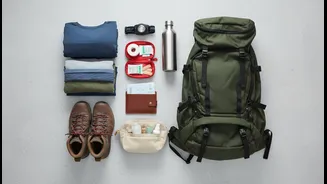
Before you pack a single piece of clothing, ensure your documents are in order. Your journey can end before it starts without the correct paperwork. Keep your Amarnath Yatra registration permit, the Compulsory Health Certificate (CHC) from an authorized
doctor, and a valid photo ID like an Aadhaar card in a waterproof pouch. It’s also wise to carry several passport-sized photographs and an emergency contact card. With RFID cards now mandatory for tracking and safety, ensure you collect yours and keep it visible at all times.
Layering Your Clothing for Unpredictable Weather
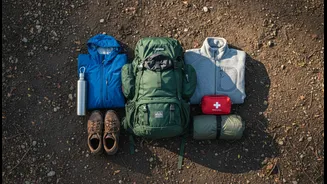
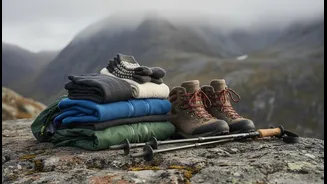
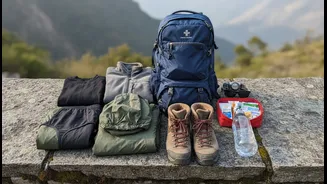
The Himalayan weather is notoriously unpredictable, changing from sunny to rainy and cold within minutes. The key is to dress in layers. Start with thermal innerwear to retain body heat. Add a fleece or woollen sweater as a mid-layer, and top it with a waterproof and windproof jacket. Pack at least two pairs of quick-dry trekking pants. Avoid heavy cotton, which takes long to dry. For women, a tracksuit or salwar kameez is more practical than a saree. Don't forget woollen socks, gloves, and a cap that covers your ears.
Footwear: Your Most Critical Gear
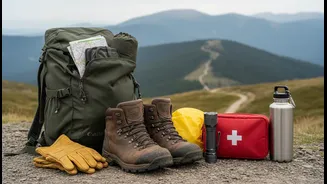
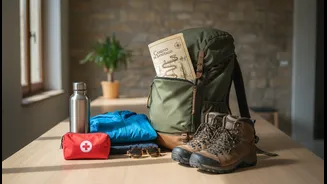
If you invest in one thing, make it a good pair of trekking shoes. You'll be walking on uneven, rocky, and potentially slippery paths. Your shoes must have good ankle support and a strong grip. Crucially, do not wear brand-new shoes for the trek; break them in by wearing them for a few weeks beforehand to avoid painful blisters. Avoid slippers or casual sneakers at all costs during the trek. Pack an extra pair of socks to keep your feet dry and warm.
A Well-Stocked Medical and First-Aid Kit
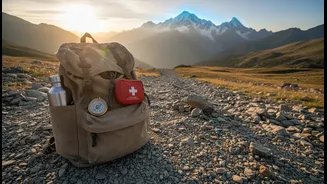
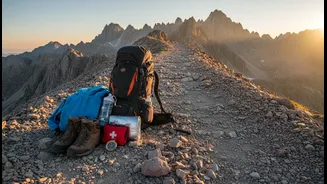
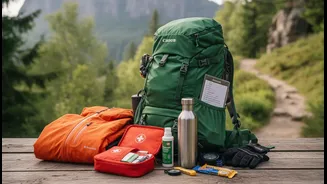
The high altitude and physical exertion can take a toll. A personal medical kit is non-negotiable. Include your personal prescription medicines, along with general supplies like painkillers, antiseptic cream, bandages for cuts and blisters, and ORS packets for dehydration. Given the altitude, it's wise to consult your doctor about medication for altitude sickness. Sunscreen and lip balm are also essential, as UV exposure is stronger at higher elevations.
Sustenance and Hydration on the Go
While langars (community kitchens) provide food along the route, carrying your own high-energy snacks is crucial for maintaining stamina. Pack items like dry fruits, nuts, roasted chana, jaggery, and chocolates. A reusable water bottle is a must to stay hydrated, which helps in acclimatization. However, be mindful of what's allowed. The Shrine Board prohibits non-vegetarian food, alcohol, tobacco, and oily or fried junk food to promote health at high altitudes.
Gadgets and Other Essential Items
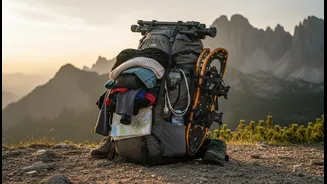
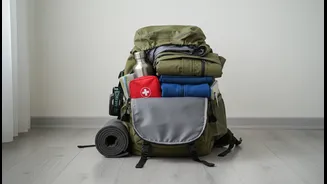
A sturdy, waterproof backpack of around 40-50 litres is ideal for carrying your essentials. A rain cover for your backpack is not optional. Pack a torch or a headlamp with spare batteries for early morning treks or navigating camps at night. A power bank is vital as charging points are scarce. A walking stick or trekking pole can provide much-needed stability and reduce strain on your knees, especially during descents. Finally, travel in a group and always keep your companions in sight.