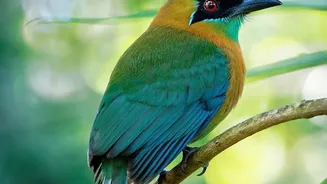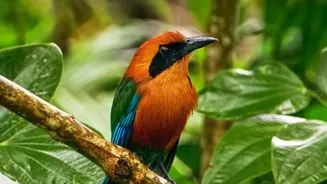

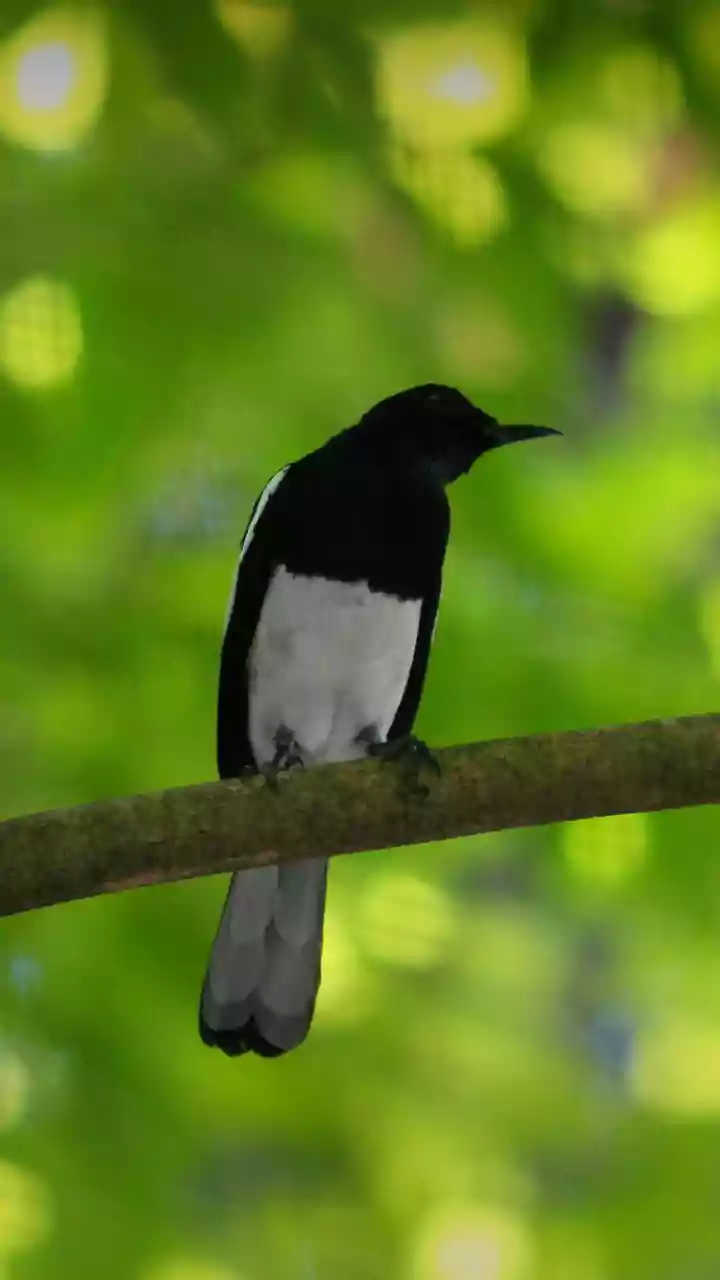




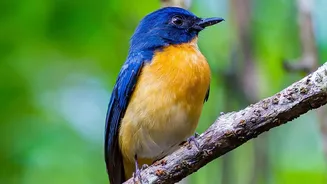
Prioritise Bird Welfare Above All
The fundamental rule of ethical birding is that the bird's well-being comes first. This means keeping a respectful distance and resisting the urge to get that perfect, close-up shot if it causes stress to the animal. Watch for signs of alarm, such as
frantic movements, nervous flapping, or agitated calls. If you notice a bird changing its behaviour because of your presence, you are too close. Back away slowly and give it space. This is especially crucial for rare or nesting species, which can abandon nests if they feel threatened.
Minimise Your Acoustic Footprint
The lush rainforests of South Andaman, found in areas like Mount Harriet National Park and Chidiya Tapu, have their own natural soundtrack. As a visitor, your goal is to be a silent observer. Avoid loud conversations, turn mobile phones to silent, and move quietly and slowly. A particularly important point of modern birding etiquette involves the use of call playbacks. While using recorded bird songs can lure a species out of hiding, it can also cause significant stress, disrupt feeding and breeding activities, and expose them to predators. It's best to avoid using playback, especially in heavily birded areas or during nesting season.
Stay on Designated Trails
The ecosystems in the Andamans are fragile. To protect the delicate undergrowth, nesting sites, and foraging grounds, always stay on marked trails and paths. Venturing off-trail can trample sensitive vegetation, cause soil erosion, and disturb unseen wildlife. Key birding sites like Chidiya Tapu (the 'Bird Island'), Shoal Bay, and Sippighat have established routes for a reason—they allow access while minimising environmental damage. Respecting these boundaries is a simple yet powerful way to practice conservation.
Leave No Trace Behind
This universal principle of eco-tourism is paramount in a pristine environment like the Andamans. Pack out everything you pack in, including food wrappers, water bottles, and any other waste. Litter not only pollutes the beautiful landscape but can also be harmful to wildlife. Even organic waste like fruit peels can attract unwanted pests and alter the natural environment. The goal is to leave the habitat exactly as you found it, ensuring its preservation for future generations of birds and birders.
Be Mindful of Flash and Light
Photography is a rewarding part of birding, but it must be done responsibly. The use of flash photography is highly discouraged as the sudden burst of light can startle, disorient, and stress birds, especially at close range. For those venturing out on night birding expeditions to spot the Andamans' endemic owls, such as the Andaman Scops Owl or Hume's Boobook, using a bright white torch should be avoided. If a light is necessary, a red light is less disruptive to the birds' night vision and sleep patterns.
Support Local and Share Knowledge Wisely
Enhance your trip and contribute to the local economy by hiring a knowledgeable local guide. They can offer invaluable insights into identifying the Andaman Teal, Andaman Woodpecker, or the elusive Andaman Crake, and they understand the local terrain and bird behaviours. When it comes to sharing your sightings, be cautious. Broadcasting the exact location of a rare or nesting bird on social media or public forums can lead to crowds of people disturbing it. Share your amazing finds responsibly, perhaps with conservation authorities or in private groups, to protect vulnerable species from unintentional harassment.