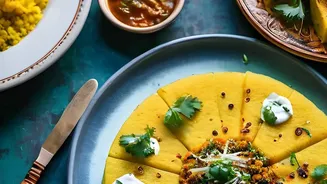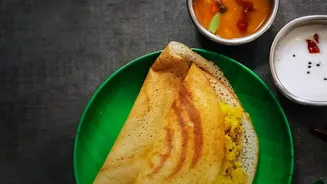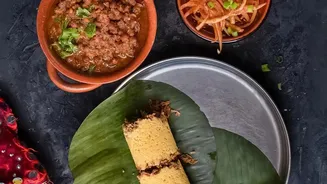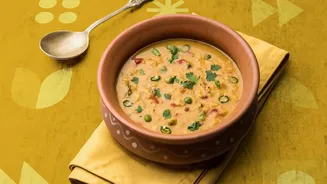

The New Digital Thali
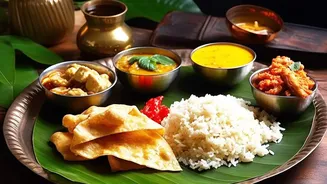
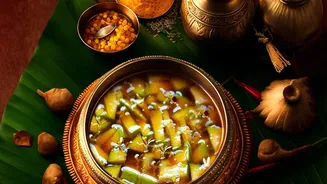
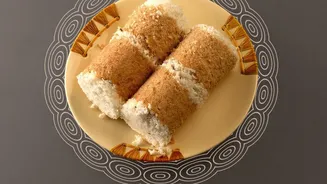
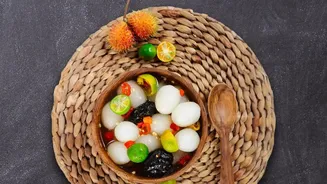
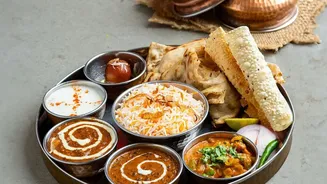
For generations, treasured family recipes were passed down orally, confined to the kitchens of a specific region or community. Today, that kitchen has expanded to the size of the internet. Platforms like Instagram and YouTube have become a digital 'thali',
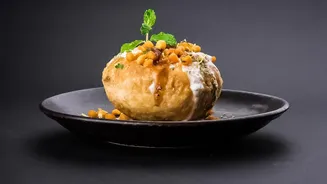
presenting a vibrant assortment of India’s culinary heritage to a global audience. Short-form videos, such as Reels and Shorts, have proven to be the perfect format for food content. A 30-second clip can vividly capture the sizzle of mustard seeds in hot oil, the vibrant colour of a finished curry, or the intricate process of folding a delicate pitha. This visual storytelling makes complex recipes feel approachable and inspires a new generation to connect with their culinary roots.
Beyond Butter Chicken and Naan
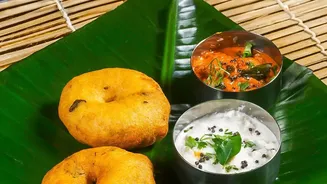
For years, the perception of "Indian food" both at home and abroad was limited to a few popular North Indian dishes. Social media is actively dismantling this stereotype. Food creators are making heroes out of lesser-known regional specialities. Suddenly, dishes like Uttarakhand’s 'Aloo Ke Gutke' or the Kumaoni lentil dish 'Dubke' are finding a national audience. Viewers are being introduced to the rich diversity of flavours, from the fiery notes of Chettinad cuisine to the subtle, aromatic spices of a Bengali 'Mahabhoj'. This digital spotlight helps validate and preserve the culinary identities of countless communities that were previously overshadowed, proving there is an appetite for authenticity and variety.
From Home Cooks to Viral Stars
The most powerful aspect of this movement is its democratic nature. The new gatekeepers of food culture are not Michelin-starred chefs, but home cooks, grandmothers, and passionate food lovers. These creators bring an authenticity that resonates deeply with viewers. They share not just recipes, but the stories, memories, and cultural context behind the food. This has empowered a new wave of food entrepreneurs, with home chefs launching delivery services and small businesses based on their newfound online fame. A single viral video of a street food vendor can lead to massive queues and a transformed livelihood, showcasing the tangible economic impact of this digital trend.
A Taste of Authenticity
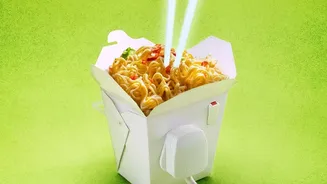
While the trend is overwhelmingly positive, it is not without its complexities. The pressure to create visually appealing, "Instagrammable" content can sometimes lead to the modification of traditional recipes, prioritising aesthetics over authentic flavour profiles. Restaurants may design dishes specifically to look good on camera, with dramatic elements like smoke or cheese pulls that may not be true to the original dish. A study from IIT Guwahati also notes that this digital food culture is primarily dominated by urban upper and middle classes, and can sometimes exclude small, local vendors who lack digital literacy or resources.