




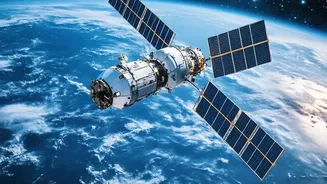

The End of an Era for the ISS
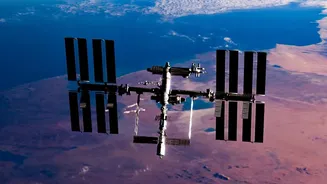
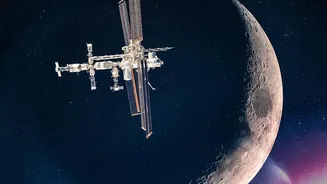
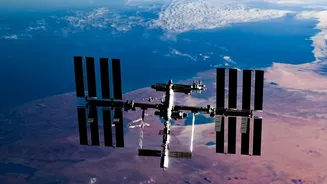
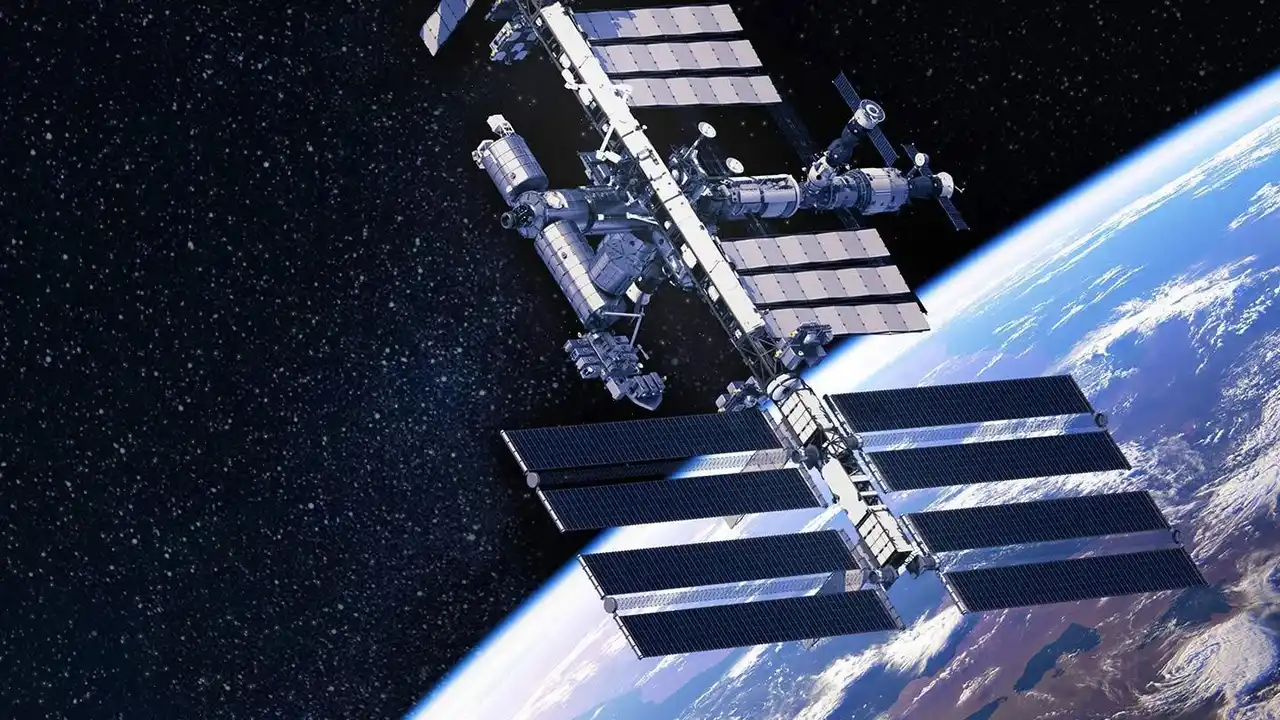
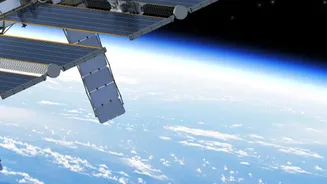
The International Space Station stands as one of humanity's greatest collaborative achievements, continuously hosting astronauts since November 2000. However, its operational life is drawing to a close. NASA and its international partners are planning
to decommission the station around 2030. The primary drivers behind this decision are structural fatigue after decades in the harsh environment of space, rising maintenance costs, and the desire to redirect resources toward deep-space exploration missions under the Artemis program. The end will be a dramatic, controlled de-orbit into a remote region of the Pacific Ocean known as Point Nemo, ensuring the massive structure does not pose a risk to populated areas. This retirement doesn't mark an end to human presence in low-Earth orbit, but rather a fundamental transition.
NASA's New Strategy: From Owner to Customer
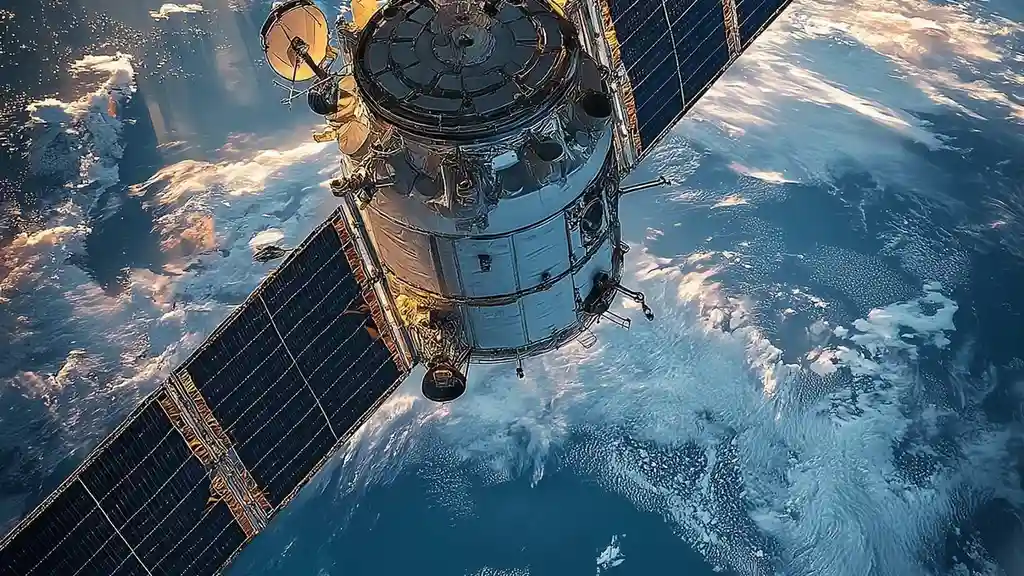
Instead of building a direct government-owned replacement for the ISS, NASA is pioneering a new model. Through its Commercial Low-Earth Orbit Destinations (CLD) program, the agency is stimulating a private market for space stations. NASA has awarded funding to several companies to design and develop their own orbital habitats. The plan is for NASA to transition from being an owner and operator to becoming just one of many customers, buying services and astronaut time from these commercial providers. This approach is based on the success of similar commercial programs for cargo and crew transport to the ISS, which proved to be more cost-effective and spurred innovation. By fostering a competitive commercial environment, NASA hopes to ensure a continuous U.S. presence in orbit without bearing the full cost, freeing up its budget for missions to the Moon and Mars.
Meet the Leading Contenders
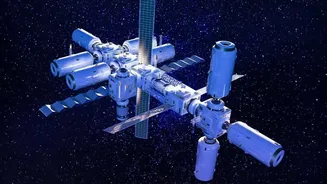
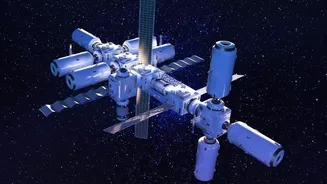
Several companies are at the forefront of this new race. Axiom Space has a unique strategy, planning to first attach its modules to the ISS starting as early as 2027 before they detach to form a free-flying station. Axiom has already conducted several private astronaut missions to the ISS. Another key player is Starlab, a joint venture between U.S.-based Voyager Space and European aerospace giant Airbus. Their concept involves a single large module designed as a science park, with partners including Northrop Grumman. Then there is Orbital Reef, a concept from Blue Origin and Sierra Space envisioned as a "mixed-use business park in space" for science, tourism, and manufacturing. While ambitious, this project's timeline has appeared less certain amid reports of shifting priorities. Finally, the company Vast is developing Haven-1, a smaller station it aims to launch in 2027, potentially making it the first standalone commercial station in orbit.
A New Marketplace in Orbit
These future commercial outposts are being designed to serve a much broader client base than just NASA. Their business models rely on attracting a diverse range of customers. This includes enabling in-space manufacturing of high-value products like specialized fiber optics or 3D-printed biological tissues that benefit from a microgravity environment. Space tourism is another major potential market, with companies like Axiom already laying the groundwork. Furthermore, these stations will offer research opportunities to other countries, academic institutions, and private companies that previously could not afford access to the ISS. By creating a multi-tenant ecosystem, these companies hope to build a self-sustaining economy in low-Earth orbit that is not solely dependent on government funding.
Challenges on the Final Frontier
The path to a commercialized low-Earth orbit is not without significant hurdles. A primary concern is timing. Will these private stations be fully operational and certified for crew before the ISS is deorbited, preventing a gap in U.S. human spaceflight capabilities? Financial viability is another major challenge. While NASA provides seed funding, these companies must secure substantial private investment and prove that a robust commercial market truly exists beyond NASA's commitments. In early 2026, NASA itself expressed doubts about the near-term business case, briefly considering a pivot in its strategy before recommitting to supporting free-flying commercial stations after industry feedback. The technical complexity, immense cost, and unproven market demand make this a high-risk, high-reward venture for all involved.