






Leaving the Comfort Zone
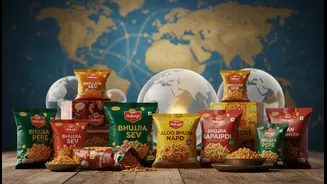
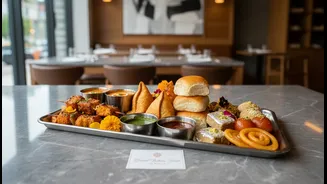
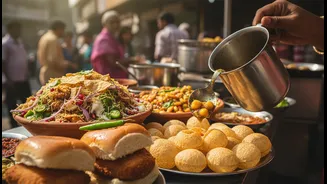
For decades, the global strategy for Indian consumer brands was simple: follow the diaspora. Companies like Haldiram's and Bikaji built formidable international businesses by catering to the authentic taste of home for over 18 million non-resident Indians.
This 'beachhead market' was a logical and profitable first step, securing a foothold on the shelves of international retailers. This strategy saw Indian snack exports more than double to $1.2 billion between 2019 and 2024. The next move was often adaptation, slightly tweaking spice levels to appeal to a non-Indian palate. While successful, these strategies had a ceiling. The diaspora market is finite, and over-adapting risks losing the unique identity that makes the products special in the first place. A new, bolder playbook was needed.
From Snack to Ingredient
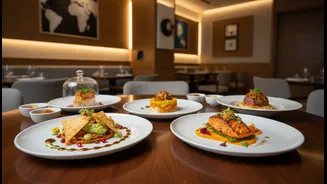
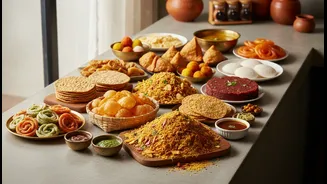
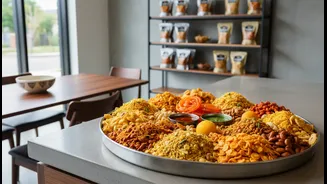
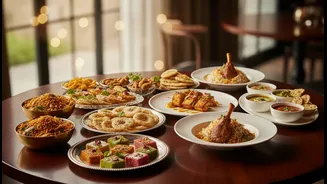
The next chapter isn't just about selling more packets of namkeen; it's about changing how they are used. The most forward-thinking brands are repositioning their snacks not just as a standalone treat, but as a versatile ingredient for everyday cooking. This is the shift from the snack bowl to the dining table. The strategy involves encouraging consumers to see papadums as a scoop for curries, sev as a crunchy topping for salads, or khakhra as a base for breakfast creations. This approach has precedent. Much like sriracha became a global kitchen staple, Indian brands are aiming to integrate their products into new culinary rituals. This transforms the product from an occasional ethnic purchase into a regular grocery item, dramatically expanding the market opportunity.
The Investment in Mainstream
This strategic shift is backed by significant investment and new partnerships. In early 2026, a major deal involving Haldiram's and distributors in Spain and Australia was explicitly aimed at moving Indian snacks from niche aisles into mainstream European retail. This isn't about hiding Indian identity, but confidently positioning it for everyday consumption. Similarly, Bikaji Foods recently invested $2.9 million into its US subsidiary to establish local manufacturing and distribution. This move is designed to accelerate growth beyond its core diaspora base by improving access for the broader American market. These investments signal a long-term commitment to becoming global brands, not just exporters of Indian goods.
Balancing Authenticity and Appeal
As brands court a wider audience, they face the classic dilemma: how to adapt without diluting? The most successful companies are finding a clever balance. Some, like Haldiram's, have built a multi-billion dollar valuation by largely maintaining authentic flavour profiles, ensuring their products taste the same in Tokyo as they do in Delhi. At the same time, brands are innovating with fusion products. Think of masala-flavoured tortilla chips or tandoori-spiced puffs, which are explicitly designed to appeal to younger, adventurous Western consumers by combining familiar formats with bold Indian spices. Even healthy snack trends are getting an Indian twist, with products like roasted makhana (fox nuts) being positioned alongside kale chips and quinoa puffs in Western markets.
The Cultural and Economic Dividend
This move towards the global dining table is more than a business trend; it's a powerful exercise in cultural diplomacy. As brands like Haldiram's and Bikaji become household names abroad, they act as ambassadors for Indian flavours and culinary traditions. The economic potential is enormous. The Indian food processing sector is a major contributor to the national economy, and its exports are on a clear growth trajectory. By successfully transitioning from niche products to global pantry staples, these snack brands are not only building valuable enterprises but are also carving out a permanent and prominent space for Indian cuisine on the world stage, proving that the country's influence can be felt one dining table at a time.