

From Waste to Wonder Flour
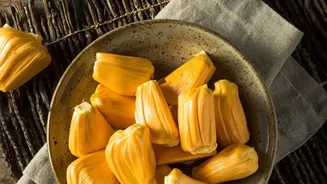
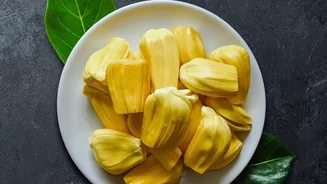
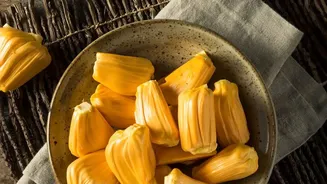
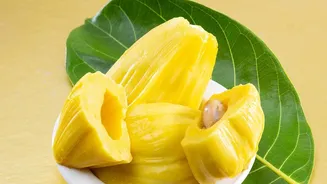
For years, the delicious flesh of the jackfruit has been the star, leaving behind mountains of seeds. These seeds, which make up about 10-15% of the fruit's weight, were often considered agricultural waste. But a growing movement towards sustainable food
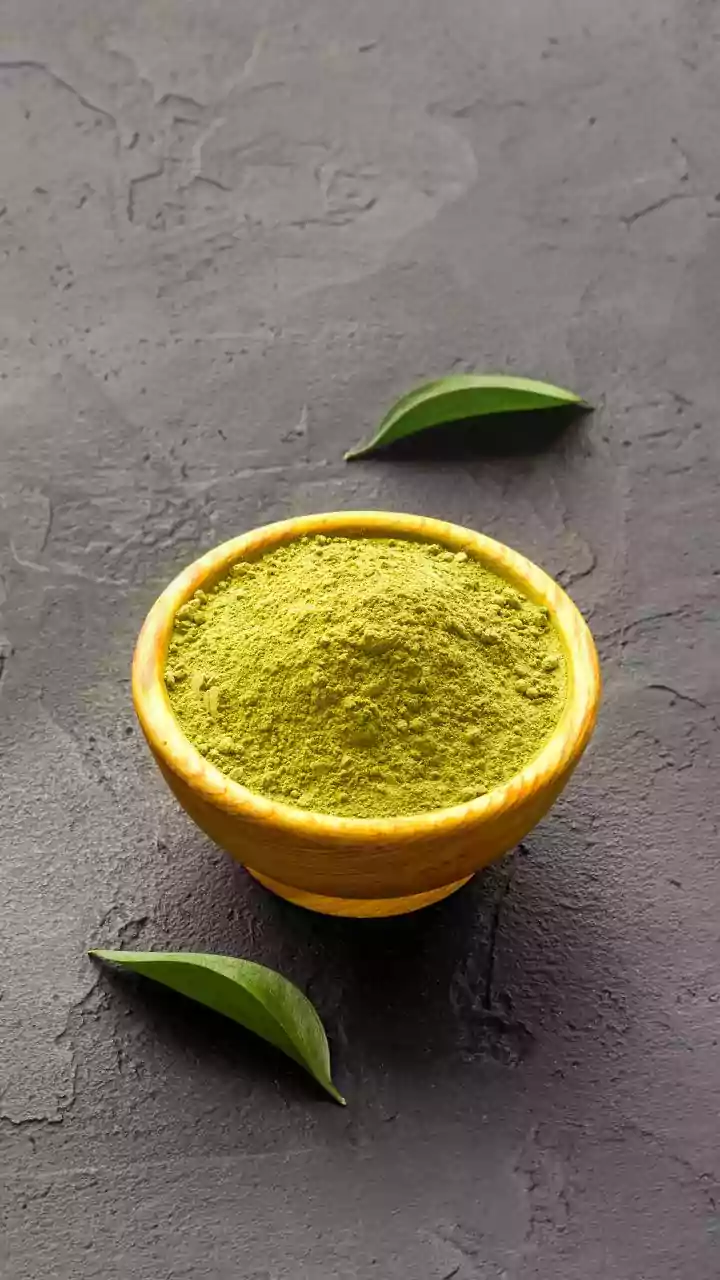
practices, known as upcycling, is changing that narrative. Upcycling transforms food byproducts and waste into new, high-quality products. In this case, jackfruit seeds are cleaned, dried, and milled into a fine, versatile flour. This simple process turns a potential waste product into a valuable, nutrient-dense ingredient, reducing food loss and promoting a more circular food economy.
A Nutritional Powerhouse
The primary reason bakers are embracing this flour is its stellar nutritional profile. It is notably rich in both protein and dietary fiber. Studies show that jackfruit seed flour contains a significant amount of protein, with some analyses finding levels around 13-16g per 100g, which is higher than many common gluten-free flours like rice or tapioca flour. This protein content is not just a number; it contributes to better structure and texture in gluten-free baked goods, which often struggle with density. Furthermore, the flour is an excellent source of dietary fiber and resistant starch, which aids in digestion, promotes satiety, and helps manage blood sugar levels. It's also packed with essential minerals like potassium, magnesium, and iron.
The Baking Experience: Taste and Texture
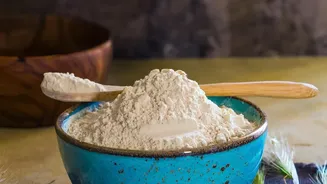
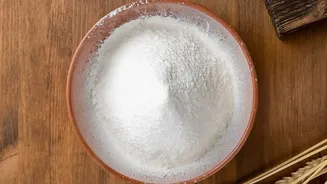
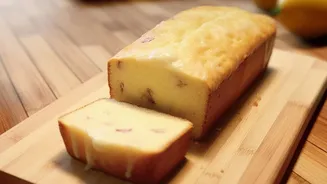
Nutrition is important, but for bakers, performance is key. Jackfruit seed flour has a mild, slightly nutty flavor that doesn't overpower other ingredients, making it suitable for both sweet and savory recipes. Its texture is often described as smooth and fine, blending well without the grittiness found in some other gluten-free alternatives. One of its most praised functional properties is its excellent water and oil absorption capacity. This helps baked goods retain moisture, resulting in a softer crumb and a longer shelf life, combating the dryness often associated with gluten-free baking. While it's a fantastic gluten-free option, it can also be blended with wheat flour to boost the nutritional content of conventional recipes.
A Gluten-Free and Allergen-Friendly Choice
For those with celiac disease, gluten sensitivity, or other dietary restrictions, finding a good all-purpose flour substitute can be a challenge. Jackfruit seed flour is naturally gluten-free, grain-free, and nut-free, making it an exceptionally allergen-friendly option. Unlike many gluten-free flours that require a complex blend of starches and gums to mimic the binding properties of gluten, jackfruit seed flour's natural starch content and gelling ability help create a more cohesive dough and a better mouthfeel on its own. It can be used to make everything from pancakes and muffins to flatbreads and cookies, offering a versatile, one-stop solution for many gluten-free baking needs.
How to Use It in Your Kitchen
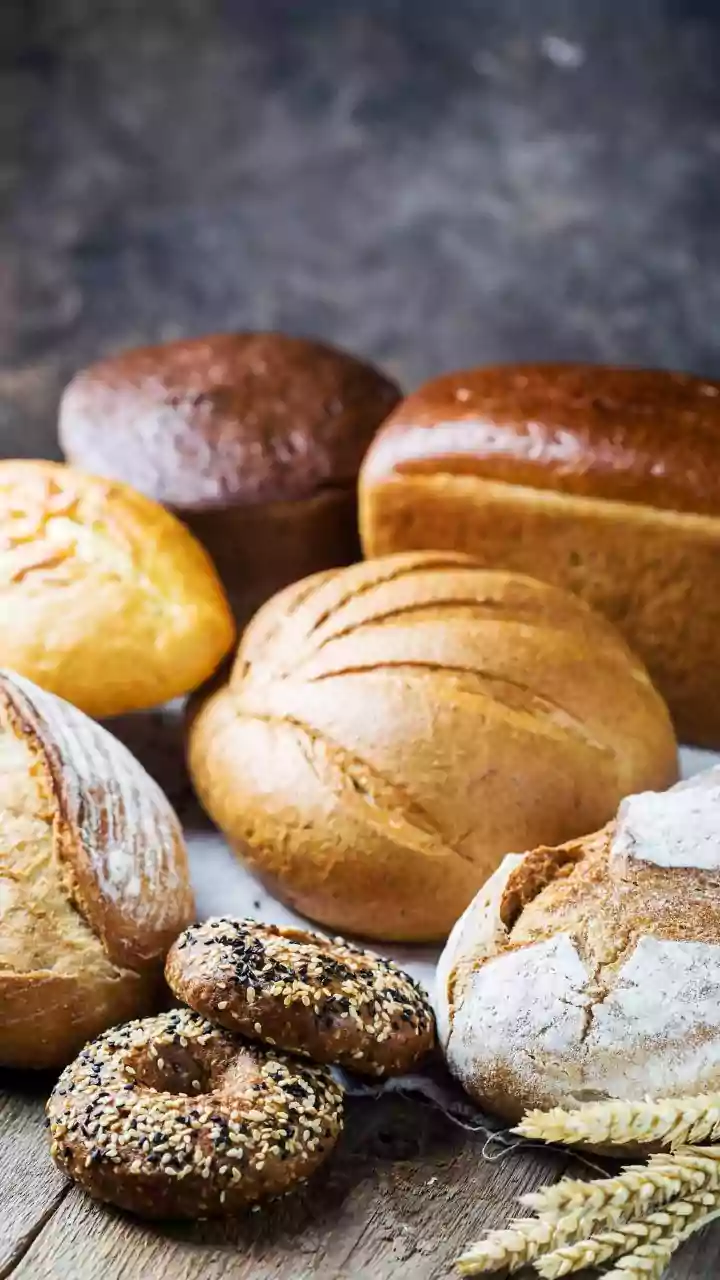
Experimenting with jackfruit seed flour is straightforward. As a starting point, you can substitute a portion of the regular flour in your recipes. Studies and home bakers have found success with substitutions ranging from 10% to 30% in products like cookies, cakes, and breads without negatively affecting the taste or texture. For some items like crackers or certain flatbreads, you might be able to use a higher percentage or even 100% jackfruit seed flour. Because of its high absorption rate, you may need to slightly adjust the liquid in your recipe. It's an exciting ingredient for any adventurous baker looking to add a nutritional punch and a touch of sustainability to their creations.