



The Foundation: Build a Flavorful, Neutral Base
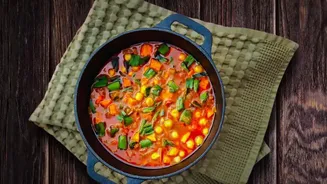
The secret to a successful one-pot meal for mixed palates is starting with a robust, flavorful base that is entirely free of chili heat. Your goal is to create a delicious foundation that everyone can enjoy before any spice is introduced. Focus on building
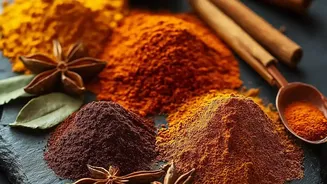
depth with aromatic ingredients that provide flavor without fire. Start by sautéing onions, garlic, celery, and carrots. Use savory herbs like rosemary, thyme, or oregano, and spices like cumin, coriander, turmeric, and smoked paprika for earthy warmth. These ingredients create a complex and satisfying taste that won't send anyone reaching for a glass of milk. Techniques like browning your meat or caramelizing vegetables will also add significant depth. A rich stock—whether vegetable, chicken, or beef—further enhances the base flavor, ensuring the non-spicy version is anything but bland.
The Strategy: Reserve and Heat
Once your base is simmered and the core ingredients like proteins and hearty vegetables are cooked through, it’s time to divide and conquer. Before you add any hot peppers, chili flakes, or spicy sauces, simply ladle out the portions for those who prefer a mild meal. You can transfer their servings to a separate small saucepan to keep warm or set them aside in bowls. With the mild portions secured, you are free to add the heat to the main pot. This is when you can stir in chopped jalapeños, cayenne pepper, or a hearty dash of hot sauce, letting it simmer for a few more minutes to allow the spicy flavors to meld and fully infuse the remaining dish. This method ensures the spice lovers get the kick they crave without compromising the meal for others.
Finishing Touches: Adding Heat at the Table
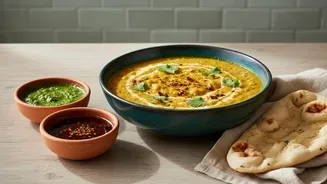
Perhaps the easiest method is to let everyone customize their own level of heat at the end. This approach turns mealtime into a more interactive experience, similar to a taco or nacho bar. Cook your entire one-pot meal—be it a stew, chili, or noodle dish—without any spice. Then, set out an array of “heat boosters” on the table. This could include a variety of hot sauces, from mild to volcanic, chili oils, freshly sliced chilies, pickled jalapeños, and red pepper flakes. This allows individuals to add not just heat but also a specific type of spicy flavor they enjoy. For example, a smoky chipotle sauce adds a different dimension than a bright, vinegary Tabasco. This method empowers each person to become the master of their own plate.
Beyond the Burn: Elevating Mild Dishes
A common concern is that the non-spicy portions might taste like something is missing. To prevent this, offer flavorful finishers that add complexity without capsaicin. A squeeze of fresh lime or lemon juice can brighten up a dish instantly. A dollop of cooling plain yogurt, sour cream, or a creamy raita can add richness and a pleasant tang, which also works to cool down a dish that might be accidentally over-spiced. Fresh, soft herbs like cilantro, parsley, basil, or dill, added just before serving, provide a burst of fresh, aromatic flavor that can make a simple dish feel complete and vibrant. Toasted nuts or seeds can add a welcome textural crunch. These additions ensure that the mild version is just as exciting and well-rounded as the spicy one.
Putting It Into Practice: Perfect Meal Ideas
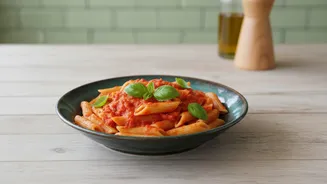
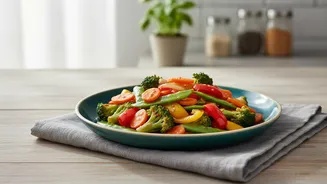
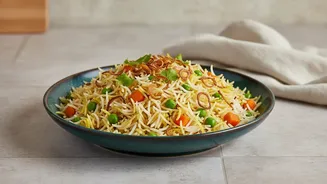
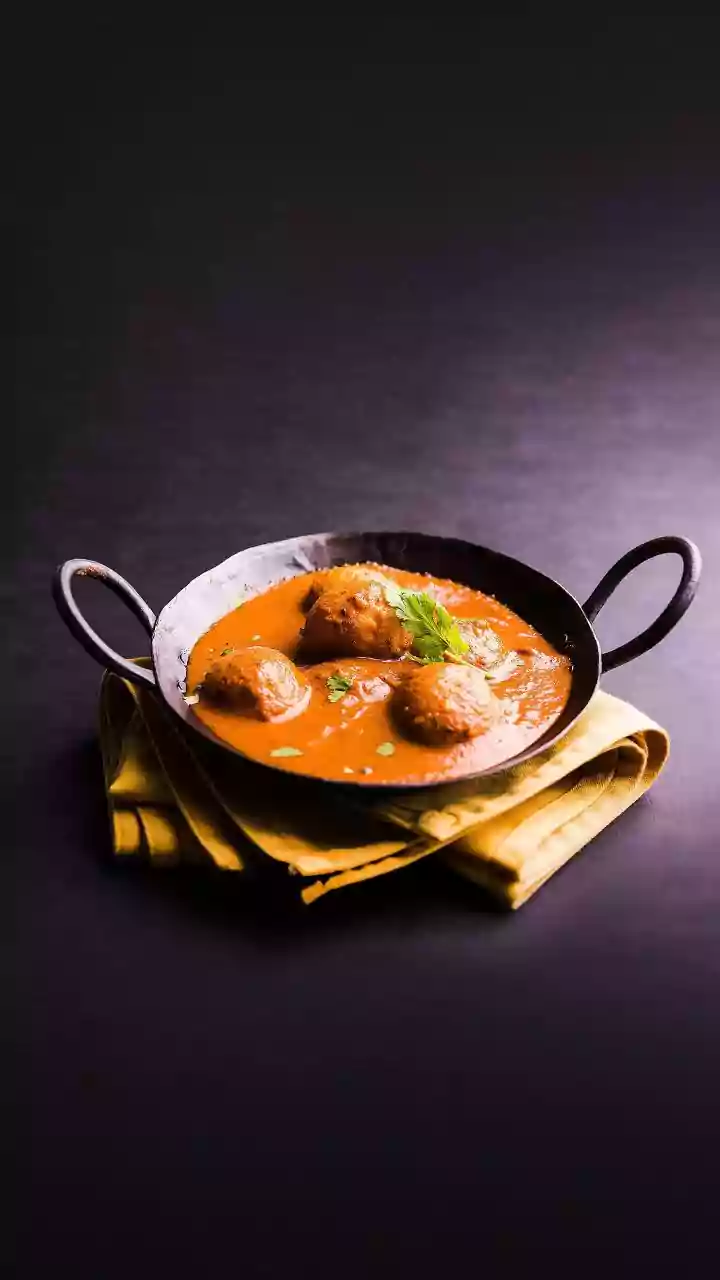
This technique is incredibly versatile and works well with a wide range of one-pot meals. Curries are a prime candidate; you can create a fragrant, coconut-based sauce with turmeric and coriander, then add a spicy red curry paste after separating the portions. Hearty chilis and stews are also perfect, allowing you to build a savory base with beans and tomatoes before adding chipotle peppers or cayenne. Pasta dishes with a tomato or cream-based sauce can be easily adapted. Noodle soups like ramen or pho are traditionally customized at the table, making them a natural fit for this style of cooking. Even traybakes work; you can season vegetables and protein with a non-spicy blend and roast, offering a spicy dipping sauce or chili oil on the side.