




What is Functional Fitness?
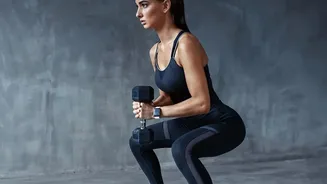
At its core, functional fitness is exercise that prepares your body for real-life activities. Instead of isolating one muscle at a time, like with a bicep curl, functional training focuses on compound movements that use multiple muscle groups and joints
together. Think about the movements you do every day: squatting to pick something up, lifting groceries, twisting to reach for a seatbelt, or pushing a heavy door. Functional exercises like squats, lunges, deadlifts, and overhead presses mimic these exact patterns, building strength that translates directly into making daily life easier and safer. The focus shifts from aesthetics alone to building a body that is capable, resilient, and less prone to injury.
Why is it Gaining Popularity in India?
Several factors are driving this trend. The Indian fitness market is booming, projected to more than double by 2030, but formal gym penetration remains low. This indicates a massive shift towards fitness as a daily habit outside of traditional settings. Many Indians are now embracing home workouts, hybrid models, and fitness formats that fit into busy schedules. Functional fitness, which often requires minimal equipment, is perfectly suited for this. Furthermore, there is a growing awareness of long-term health, with people training not just for weight loss, but for better energy, mobility, and stress management. This holistic view of wellness is drawing people to functional training’s practical, life-enhancing benefits.
A More Inclusive Approach to Strength
Perhaps the most significant impact of functional fitness is its inclusivity. It has opened the doors of strength training to demographics that were previously underserved or intimidated. A growing number of Indian women are now lifting weights, not to get 'bulky'—a common myth—but to build bone density, improve metabolic health, and gain physical confidence. Strength training is being recognized as one of the best defences against age-related muscle loss and osteoporosis, conditions to which women are more susceptible. Similarly, older adults are embracing functional movements to improve balance, prevent falls, and maintain their independence for longer. The focus on practical strength makes it appealing to anyone, regardless of age or current fitness level.
Training for Life, Not Just the Gym
The ultimate promise of functional fitness is a better quality of life. By strengthening the body's fundamental movement patterns, it directly addresses common issues like back pain, poor posture, and joint stiffness. It builds the kind of real-world strength that helps you carry your child without strain, place a heavy bag in an overhead bin with ease, or simply get up from the floor effortlessly. This approach improves coordination, mobility, and overall physical resilience, reducing the risk of injuries in day-to-day life. In a country where lifestyles can range from sedentary office work to physically demanding chores, this practical application of strength is proving to be a game-changer for many.