






A Tale of Two Monsoons
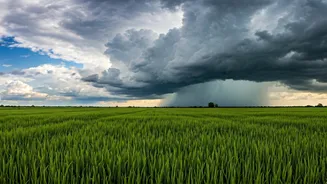
This year's monsoon began with a bang. It arrived in Kerala two days ahead of schedule and swept across southern and northeastern states with impressive speed and intensity. For a while, it seemed poised for a record-breaking performance, bringing relief
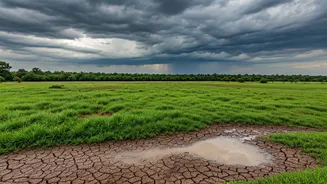
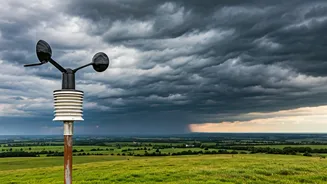
from scorching summer heat and replenishing water sources. However, after charging through parts of Maharashtra, the monsoon’s forward momentum simply stopped. This sudden halt has created a stark contrast: while some parts of the country are dealing with heavy downpours, a significant portion of central India remains dry and waiting, caught in a meteorological limbo.
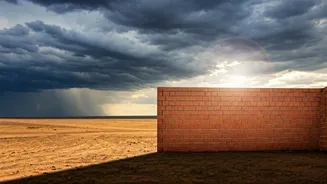
What is This 'Wall'?
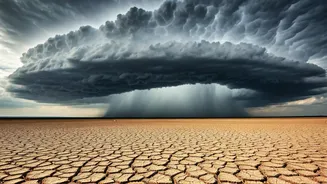
The 'wall' isn't a physical barrier, but a combination of atmospheric roadblocks. Meteorologists point to a key culprit: the absence of a strong weather system, like a low-pressure area or depression, over the Bay of Bengal or the Arabian Sea. These systems act like engines, pulling the moisture-laden monsoon winds further inland. Without one, the monsoon loses its driving force. Additionally, some experts have noted the presence of an anti-cyclonic circulation over parts of north-west and central India. This system creates descending air, which inhibits cloud formation and rainfall, effectively acting as a blocker that pushes back against the monsoon's advance. The monsoon trough, a critical feature that runs across the Indo-Gangetic plains, has also remained weak and disorganised, failing to provide the necessary pull.
The Regions Left Waiting
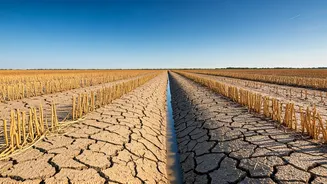
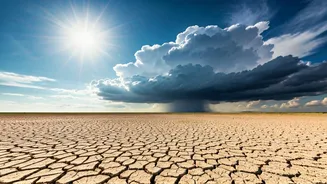
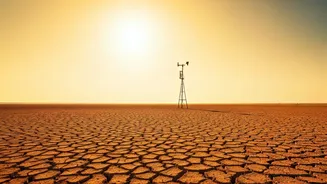
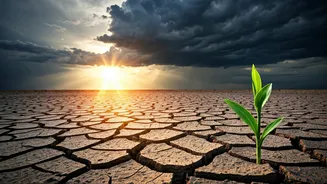
The impact of this stall is being felt most acutely across the heartland. States like Madhya Pradesh, Chhattisgarh, Odisha, and parts of eastern Uttar Pradesh, Bihar, and Jharkhand are experiencing a significant rainfall deficit. Even within Maharashtra, while coastal and southern areas received rain, regions like Vidarbha and Marathwada are still largely dry. This 'break' in the monsoon has led to a return of heatwave-like conditions in some areas, with temperatures climbing back to uncomfortable levels. The waiting game is on, and for millions, every dry day increases anxiety.
Crucial Window for Farmers
For India's agricultural sector, the timing of this stall is particularly worrying. The onset of the monsoon is the primary trigger for the sowing of Kharif (summer) crops, including rice, soybean, cotton, and pulses, which are vital for the country's food security and economy. Farmers who prepared their fields in anticipation of the rains are now in a difficult position. Sowing seeds in dry soil is a gamble that can lead to crop failure if the rains don't arrive soon. Delaying sowing can also be problematic, as it can affect the crop's growth cycle and ultimate yield. The longer the monsoon remains dormant, the narrower the window becomes for a successful Kharif season, putting immense pressure on the rural economy.
When Will the Rains Return?
The all-important question is: when will the monsoon break through this wall? According to the India Meteorological Department (IMD) and other weather agencies, conditions are expected to become favourable for the monsoon's revival soon. Forecasters are closely watching for the formation of a cyclonic circulation over the Bay of Bengal, which is seen as the key to reinvigorating the monsoon's eastward and northward push. Once this system develops, it is expected to pull the monsoon current back into central and northern India. While a precise date is difficult to pinpoint, most predictions suggest a revival is likely within the next week. Until then, the region holds its breath, hoping the atmospheric roadblocks clear and the life-giving rains finally arrive.