


The Rise of the ‘Clean Label’
This movement has a name: the 'clean label' trend. It’s the growing demand for products made with simple, natural, and recognisable ingredients. Shoppers want to read a label and understand everything on it, without needing a chemistry degree. The term
'clean label' isn't an official certification from the Food Safety and Standards Authority of India (FSSAI), but a consumer-driven standard. It signals a shift away from artificial additives, colours, flavours, and preservatives. A recent study highlighted that 64% of Indian consumers actively look for clean-label foods, showing a significant move towards natural ingredients.
Why Simplicity Equals Trust
At its heart, the clean label trend is about trust. After years of confusing health claims and mysterious ingredients, many consumers have become skeptical of big food brands. A simple, short ingredient list feels honest and transparent. When a brand clearly states its product is made with just a handful of real ingredients, it builds confidence and a sense of respect. This transparency is becoming a key factor in brand loyalty, with some reports suggesting that over 75% of consumers would switch to a brand that provides more in-depth product information. This is especially true for parents buying food for their children, who are increasingly scrutinising labels before making a purchase.
The 'No-No' List and a Return to Basics
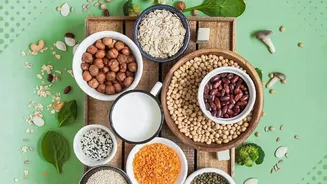
As shoppers become more ingredient-savvy, they are actively avoiding certain components. Artificial preservatives, flavours, sweeteners, and colours are high on the list of things people want to avoid. There's also a growing aversion to ingredients that sound overly chemical or complex. Instead, consumers are embracing products that highlight natural and traditional ingredients. In India, this means a renewed appreciation for things like turmeric, amla, millets, and natural sweeteners like jaggery and honey. The focus is shifting from what's taken out to the quality of what’s left in, with a preference for whole, minimally processed foods.
How Brands Are Responding
Food companies, from large corporations to agile startups, are taking notice. Many are reformulating their products to remove artificial additives and simplify ingredient lists. This isn't always easy, as creating a product with a good shelf life and texture using only natural ingredients can be challenging. Beyond reformulation, brands are changing their marketing. Packaging now often highlights what’s not in the product, with claims like “no artificial preservatives” or “made with only 5 real ingredients”. Some companies are even using technology like QR codes on packs to give consumers detailed information about where ingredients come from, adding another layer of transparency.
The Indian Context and Future Outlook
In India, the demand for clean labels is currently strongest in urban centres among health-conscious and upper-middle-income consumers. However, the idea of clean eating is spreading quickly, influencing mass-market brands to communicate more simply and transparently. The market for natural food ingredients in India is projected to grow significantly, reaching over USD 1,307 million by 2034. This isn't just a fleeting trend; it reflects a fundamental change in consumer values. People are more proactive about their health than ever before, viewing food as an investment in their long-term wellbeing.