


The Age of Uniformity
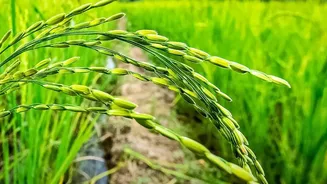
For decades, the story of rice in India was one of shrinking variety. The Green Revolution, beginning in the 1960s, prioritised high-yield hybrid crops to ensure food security. While successful in boosting production, this push led to a dramatic collapse
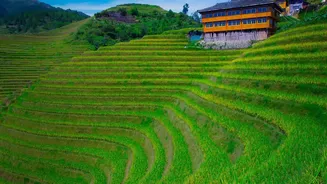
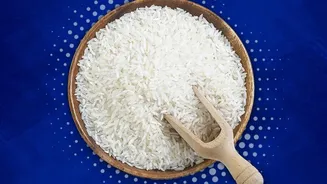
in biodiversity. Farmers were encouraged to adopt a handful of government-promoted seeds that relied on chemical fertilisers and pesticides, causing thousands of traditional rice varieties to vanish from cultivation. India, which once cultivated over 100,000 types of rice, saw that number plummet. Kitchens and markets were soon dominated by polished, long-grain white rice, and the unique flavours, textures, and aromas of regional heirlooms faded from memory.
The Seeds of a Revival
Now, a powerful counter-movement is bringing these lost grains back. Driven by a coalition of farmers, conservationists, NGOs, and increasingly, conscious consumers, this revival is rooted in practicality and a renewed appreciation for heritage. Farmers in regions facing climate stress, like the flood-prone Sundarbans, are returning to ancestral seeds that are naturally resilient to saline soil and drought. Simultaneously, urban consumers are looking for healthier, more flavourful, and sustainably grown foods. Traditional varieties are often more nutritious than their commercial counterparts, boasting higher levels of fibre, iron, zinc, and antioxidants.
Meet the Returning Heirlooms
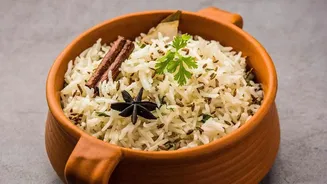
This movement isn't just about agriculture; it's about taste. In Bengal, the short-grained, aromatic Gobindobhog is making a comeback. Named as an offering to Lord Krishna, this GI-tagged rice has a naturally sweet and buttery flavour, perfect for dishes like khichuri and payesh. From Uttar Pradesh comes Kala Namak, the 'scented black pearl' cultivated since the Buddhist era. This GI-tagged variety is prized for its fragrance and nutritional profile, which includes high levels of iron and zinc and a low glycemic index, making it suitable for diabetics. Across the country, colourful varieties like red rice—rich in antioxidants and known by names like Matta in Kerala and Bao-dhaan in Assam—are also returning to the fore, valued for both their health benefits and nutty taste.
From Farm to Your Fork
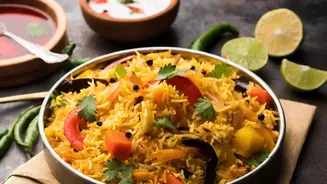
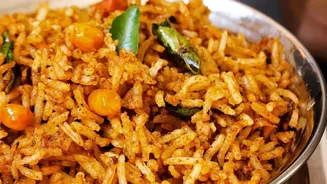
This revival is succeeding because it has built a bridge directly from the farm to the kitchen. Farmer collectives and seed banks, like Vrihi in Bengal and the Save Our Rice campaign in the south, have been crucial in preserving and distributing these native seeds. State governments have also stepped in, with Tamil Nadu's Heritage Rice Mission promoting varieties like Mappillai Samba and Karuppu Kavuni. This growing supply is meeting a new wave of demand. Organic shops, direct-to-consumer online brands, and innovative restaurateurs are making it easier than ever for home cooks to explore these unique grains. They are championing rice not as a generic commodity, but as a celebrated ingredient with a story.