






The Unseen Engine of Modern Life
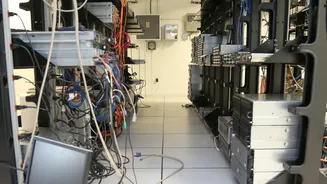
Every time you stream a movie, join a video call, or use a cloud application, you are tapping into a data centre. These facilities are the physical backbone of the internet, housing thousands of computer servers, storage systems, and networking gear.
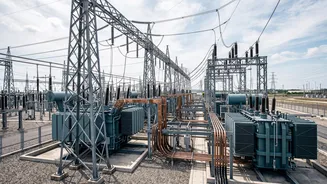
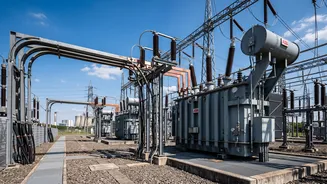
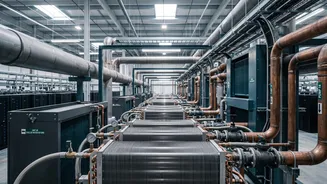
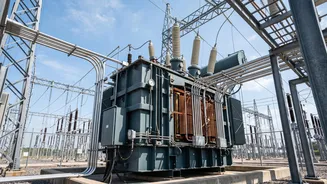
To function, they require a constant, enormous supply of electricity, not just to power the servers themselves but also for the extensive cooling systems needed to prevent them from overheating. A single large 'hyperscale' data centre can consume as much electricity as tens of thousands of homes, making them one of the most energy-intensive industries on the planet.
A Sobering Forecast from the IEA
According to the International Energy Agency's latest projections, global electricity demand from data centres is expected to surge from around 460 terawatt-hours (TWh) in 2024 to over 1,000 TWh by 2030. This doubling of consumption means that by the end of the decade, data centres could account for 3% of the world's total electricity use. The growth rate, pegged at around 15% annually, is more than four times faster than the growth of all other electricity sectors combined. This rapid expansion is creating unprecedented pressure on electricity grids, which in many cases are already strained.
The AI Power Drain
The single biggest driver behind this explosive growth is the artificial intelligence boom. Training large AI models, like those behind generative AI services, is an incredibly energy-intensive process. A single training run for an advanced model can consume gigawatt-hours of electricity. But the demand doesn't stop there. The ongoing use of AI for daily tasks—known as 'inference'—is projected to become an even larger source of energy consumption as AI is integrated into everything from search engines to industrial processes. The IEA attributes the majority of the projected demand increase directly to the adoption of AI, which requires servers that are far more power-hungry than conventional ones.
Straining Grids and Environmental Costs
This soaring demand is not without consequences. In regions with high concentrations of data centres, such as parts of the United States and Ireland, grids are already struggling to keep up. The IEA warns this could challenge the reliability of electricity supply. Furthermore, the environmental impact is significant. A large portion of this new electricity demand is expected to be met by fossil fuels. In its 2026 outlook, the IEA projected that this trend could cause carbon emissions from data centres to rise by 70% by 2030. Projections show natural gas supplying a majority of the power for US data centres, while coal could power half of China's AI-related data centres by the decade's end.
The Search for Greener Data
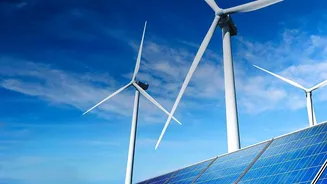
In response to this challenge, the tech industry is in a race for solutions. Major tech companies have become the largest corporate buyers of renewable energy in the world, often financing new wind and solar projects through power purchase agreements (PPAs). However, the sheer scale of the demand growth is outpacing the development of clean energy in many regions. This has led to exploring other options, including improving energy efficiency in both hardware and software, designing data centres that can recapture and reuse waste heat, and even turning to nuclear power to provide a stable, carbon-free energy source. Some data centres are also installing large battery systems to help manage their fluctuating power needs and potentially offer stability back to the grid.