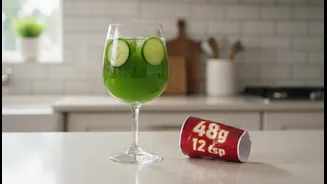









The Serving Size Deception
The first number you should check on any nutrition label isn't calories—it's the serving size. This is a common tactic used to make a product's nutritional values seem more appealing. A packet of biscuits might list calories and sugar for a serving of just
three biscuits, but most people consume more in one sitting. According to the Food Safety and Standards Authority of India (FSSAI), while nutritional information can be provided per serving, many packages contain multiple servings. Before you do anything else, check the serving size and the number of servings per container. Then, be honest about how much you're actually likely to eat. If you typically eat the whole pack, you need to multiply all the nutritional values—calories, fat, and sugar—by the number of servings in that pack to get a true picture of your intake.
Decoding the Sugar Maze
Sugar is not always listed as 'sugar'. Food manufacturers use dozens of different names, which can make it difficult to spot. Common hidden sugars include ingredients ending in '-ose' like dextrose, fructose, and maltose, as well as various syrups like corn syrup or rice syrup. Even supposedly healthier options like jaggery powder, honey, and fruit juice concentrates count as added sugars when used in processed foods. Many savoury foods, such as ketchup, packaged namkeens, and ready-to-eat meal mixes, contain significant amounts of hidden sugar to enhance flavour or texture. Under FSSAI's labelling rules, ingredients must be listed in descending order by weight, so if a form of sugar is one of the first three ingredients, the product is likely high in sugar. A smart approach is to check the 'Total Carbohydrate' section and the 'Sugars' sub-category to understand the full load.
Spotting the Sneaky Stimulants
Stimulants aren't just in your morning coffee; they are frequently added to a wide range of products, especially energy drinks, sodas, and pre-workout supplements. Caffeine is the most well-known, but it's important to look for other stimulating ingredients like guarana, taurine, ginseng, and certain B-vitamins. Guarana, for example, is a plant seed that is a natural source of caffeine. While these ingredients can boost energy and focus, combining multiple stimulants can increase side effects like a rapid heart rate or anxiety, especially for sensitive individuals. FSSAI regulates the amount of caffeine that can be added to caffeinated beverages, setting limits to ensure consumer safety. When checking a label, particularly on drinks marketed for energy or performance, look through the full ingredients list for these common stimulants to be aware of what you're consuming beyond just the sugar content.
Your 3-Step Label Check
Now that you know what to look for, you can simplify your grocery shopping with a quick, effective check. First, find the serving size and multiply the nutritional facts by the amount you’ll actually consume. This gives you an honest baseline. Second, scan the ingredients list for the many names of sugar. If any form of sugar is high on the list, or if multiple types are listed, be cautious. Aim for products with lower values in the 'Added Sugars' line on the nutrition panel. Third, if you're buying a beverage or a product marketed for energy, check for a cocktail of stimulants beyond just caffeine. By turning this three-step process into a habit, you move from being a passive consumer to an empowered one. You'll be able to see past the health halos and marketing jargon to understand what's really inside the package.