





The Great Summer Gridlock
Every year, as temperatures soar in the plains, a mass exodus to the mountains begins. Destinations like Shimla, Manali, Mussoorie, and Nainital are buckling under the pressure. Recent years have seen unprecedented levels of traffic congestion, with vehicles
queued up for kilometres and travel times multiplying. Popular routes are overwhelmed, with towns designed for a fraction of the current vehicle load facing complete gridlock. This isn't just an inconvenience; it's a crisis. The surge of vehicles strains local infrastructure, from parking to waste management, and turns a dream holiday into a stressful ordeal for tourists and a nightmare for residents. The constant idling of cars and buses also pumps pollutants into the fragile Himalayan ecosystem, with studies showing a measurable negative impact on air and soil quality.
A Journey, Not Just a Destination
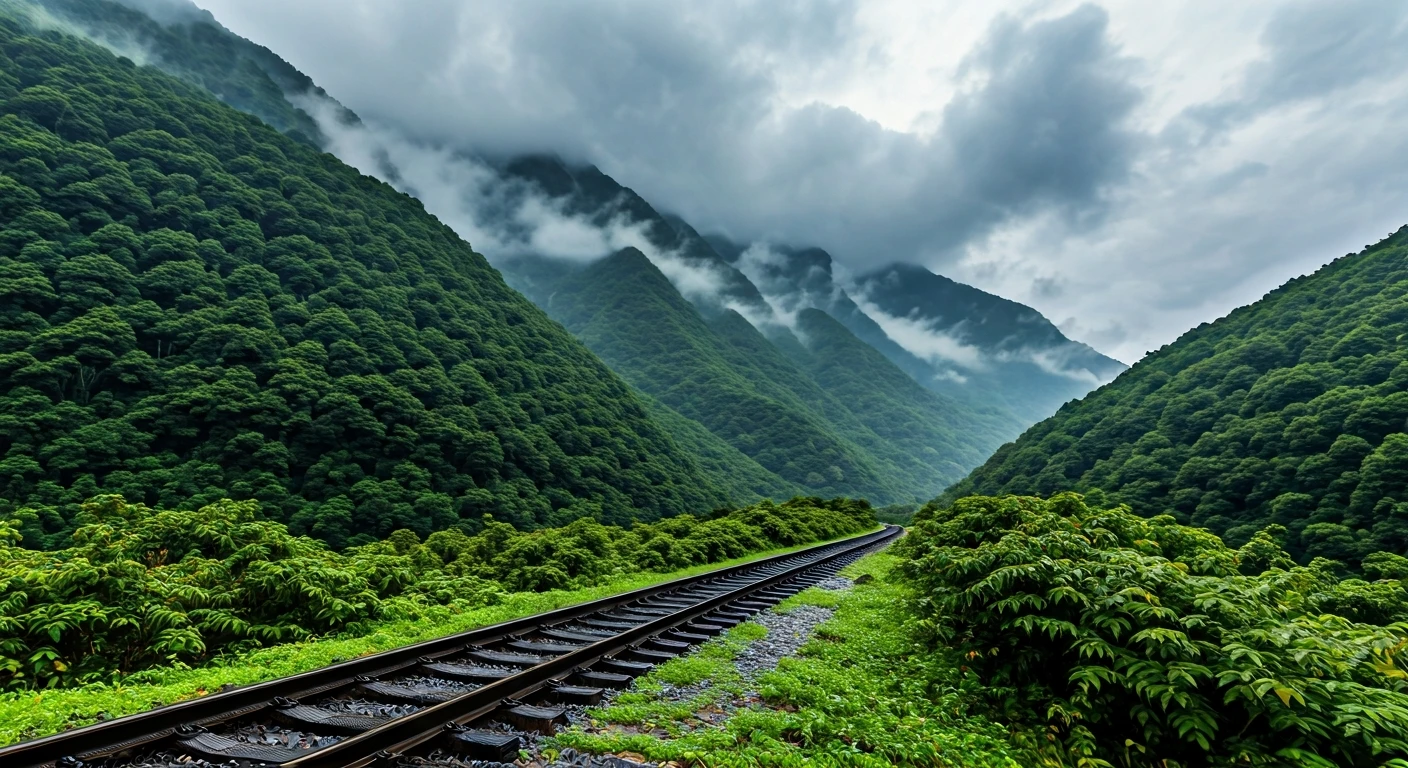
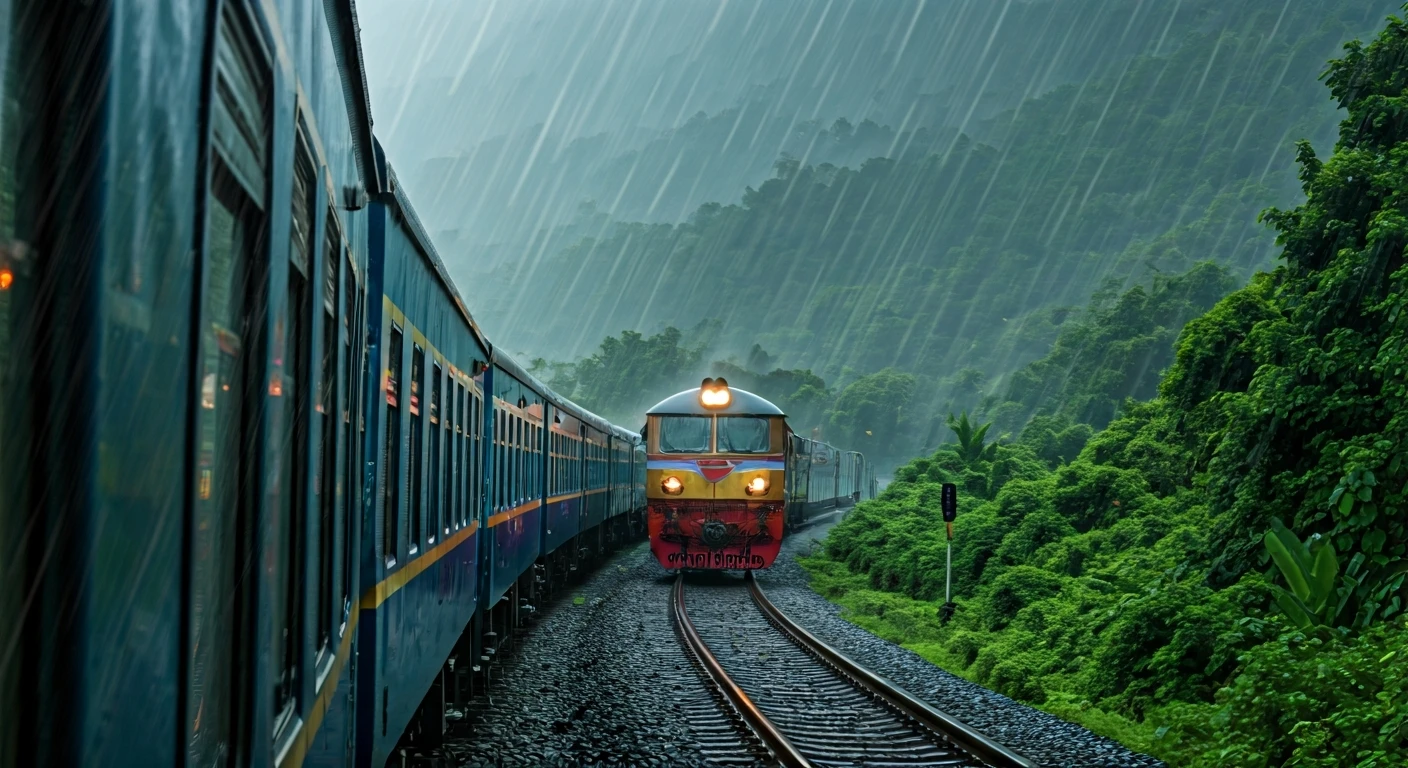
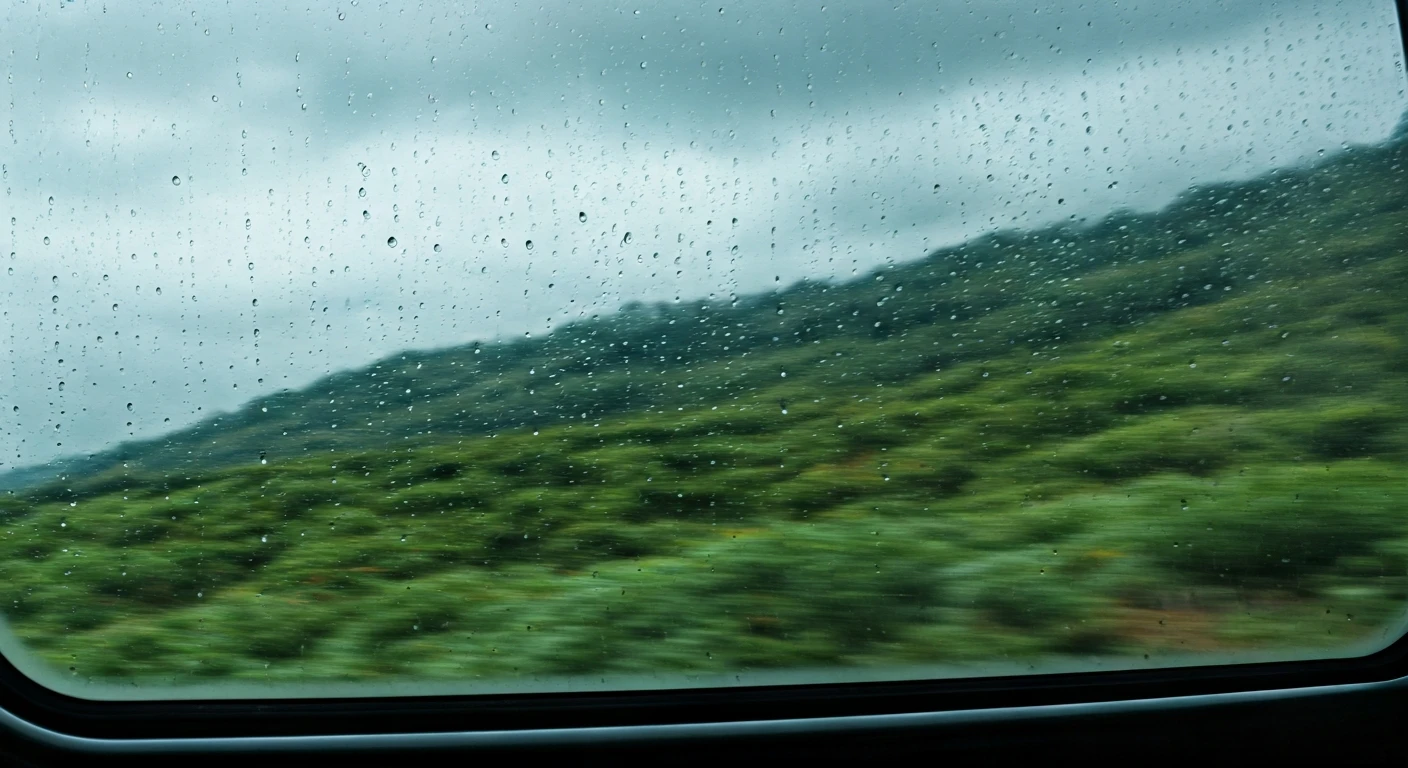
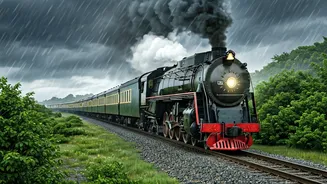
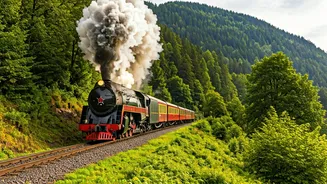
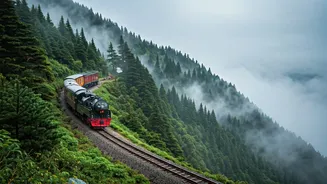
Contrast this chaotic picture with the romance of rail. India's mountain railways, like the Kalka-Shimla Railway and the Darjeeling Himalayan Railway (DHR), are not just modes of transport; they are experiences. These UNESCO World Heritage Sites, with their charming 'toy trains', represent a more mindful, leisurely way to travel. The journey itself becomes a highlight, offering breathtaking views of lush valleys, dense forests, and mist-clad hills that are impossible to appreciate from a congested highway. A train journey allows travellers to connect with the landscape at a human pace, fostering a deeper appreciation for the beauty of the region. Instead of the stress of driving, passengers can relax, interact, and immerse themselves in the ever-changing scenery outside their window.
The Case for a Greener Track
Expanding and promoting scenic rail travel is more than just a nostalgic whim; it's a practical step towards sustainable tourism. Railways have a significantly lower carbon footprint per passenger compared to cars and buses, making them an eco-friendly choice. By reducing the number of vehicles on mountain roads, we can mitigate air and noise pollution, reduce the risk of landslides exacerbated by road construction, and lessen the black carbon deposits that accelerate glacier melt. A shift to rail also presents economic benefits. It can help manage overtourism by controlling the flow of visitors and can distribute economic benefits more evenly by creating jobs in operations, maintenance, and hospitality along the rail corridor. Furthermore, it helps preserve the very product we are selling: the pristine, peaceful environment of the hills.
Reviving the Arteries of the Hills
Our existing mountain railways are living heritage, but many have faced challenges, from the slow pace compared to road travel to the threat of becoming economically unviable. However, recent trends show a renewed interest, with the DHR, for example, recording a significant rise in passenger numbers and revenue after strategic upgrades to enhance the tourist experience. This success provides a blueprint. We must not only preserve and modernise these historic lines with innovations like Vistadome coaches but also envision new ones. Imagine new scenic routes connecting other popular hill destinations, designed from the ground up for low-impact tourism. This would involve significant investment and planning, but it's a necessary step to protect these fragile ecosystems from the destructive pressure of car-centric tourism.