



Why The Calendar Kills
The idea of a fixed watering schedule is appealing in its simplicity, but it’s often the primary culprit behind an ailing houseplant. [17] Plants don’t consume water according to a calendar; they use it based on their environment. [17, 21] Factors like
the amount of sunlight, indoor temperature, humidity, pot size and material, and the time of year all dramatically influence how thirsty a plant is. [9, 14, 21] A plant in a bright, warm spot during summer will use water much faster than the same plant during the shorter, cooler days of winter. [14, 21] Sticking to a rigid schedule ignores these changing conditions and almost inevitably leads to either overwatering—the number one cause of houseplant death—or underwatering. [1, 10, 19]
Listen To Your Soil, Not Your Schedule
The golden rule of watering is simple: check the soil first. [11] Instead of watering automatically, make it a habit to assess your plants. The most reliable method is the finger test. [12, 18] Stick your index finger into the soil up to your first or second knuckle. [13, 18] If the soil feels dry at that depth, it’s time to water. If you feel moisture, wait a few more days and check again. [18] This single step prevents overwatering by ensuring the roots actually need a drink before you provide one. [10, 17] For larger pots where the finger test is insufficient, a simple wooden skewer or chopstick works wonders. [12, 13] Push it deep into the soil and pull it out. If it comes out clean and dry, it's time to water; if it has damp soil clinging to it, the plant is still hydrated. [13, 15]
Signs of Overwatering vs. Underwatering
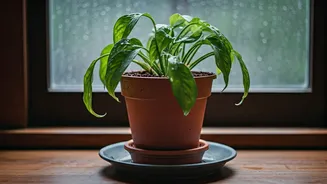
Plants communicate their needs through visual cues. The tricky part is that wilting can be a sign of both too much and too little water. [1, 2] An overwatered plant often wilts because its roots are suffocating and rotting in soggy soil, unable to absorb water. [2, 19] Other signs of overwatering include yellowing leaves (especially lower ones), soft or mushy stems, mould on the soil's surface, and a pot that feels surprisingly heavy. [1, 2, 4] Conversely, an underwatered plant will also wilt, but its leaves may feel crispy or have brown, dry edges. [3, 4] The soil will be visibly dry and may even pull away from the sides of the pot. [1] Checking the soil moisture is the crucial step to correctly diagnose the problem. [2]
The Right Way to Water
When your plant is truly thirsty, the key is to water thoroughly, not sparingly. A light sprinkle only moistens the top layer of soil, encouraging a shallow and weak root system. [17, 19, 23] Instead, your goal is to hydrate the entire root ball. Pour water evenly over the soil until it begins to flow out of the pot’s drainage holes. [9, 18] This ensures all the roots have access to water. After about 15-30 minutes, discard any excess water that has collected in the saucer. [10] Letting a plant sit in a puddle of water is a direct path to root rot. [2, 18] Using tepid or room-temperature water is also recommended, as cold water can shock the plant's roots. [5, 10]
Know Your Plant's Personality
While ditching a schedule is universally good advice, it’s also true that different plants have different needs. A fern, which loves consistent moisture, has very different requirements from a succulent or cactus, which thrives on a dry period between waterings. [9, 14, 16] Succulents, for instance, should only be watered when their soil is completely bone-dry. [9] Others, like the Peace Lily, are quite dramatic and will visibly droop when thirsty, perking up quickly after a drink. [7, 20] Getting to know the specific preferences of your plants is part of the joy of owning them. A quick search on your plant's type will give you a baseline for its needs, which you can then adapt by observing the plant and its soil. [16]